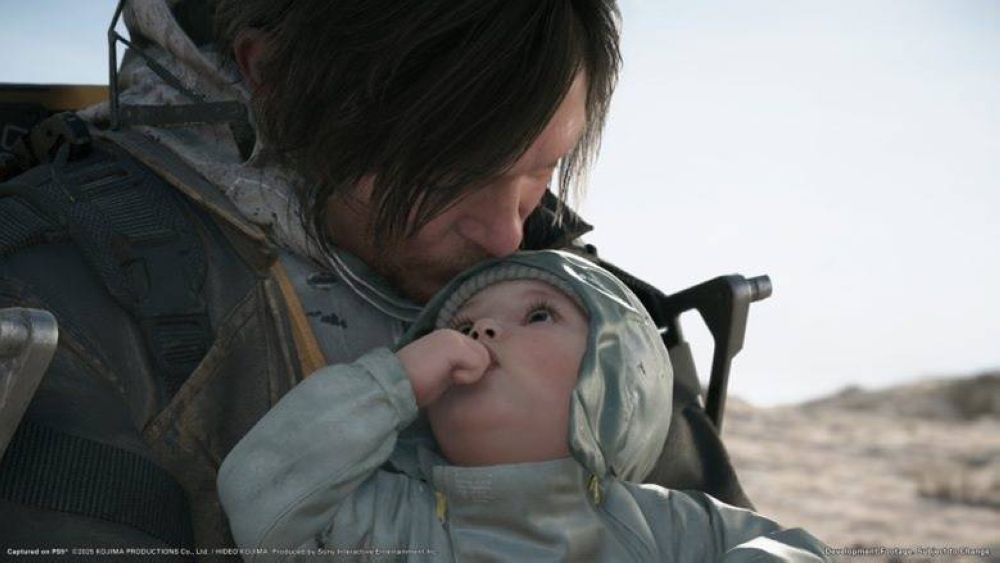
لعبة Death Stranding 2: On the Beach صدرت حصريًا على PlayStation 5 في 26 يونيو 2025، مقدّمة تجربة جديدة من تطوير Kojima Productions ونشر Sony Interactive Entertainment يواصل Hideo Kojima أسلوبه الفريد المعروف بالتصميم السينمائي، والطرح الفلسفي العميق، وآليات اللعب الخارجة عن التصنيفات التقليدية. يجسد Norman Reedus مرة أخرى شخصية Sam Porter Bridges، إلى جانب عودة Léa Seydoux و Troy Baker، مع انضمام وجوه جديدة بارزة مثل Elle Fanning وGeorge Miller تدور أحداث اللعبة هذه المرة في مناطق متنوعة تشمل المكسيك ما بعد الكارثة وأراضي أستراليا الشاسعة، معززة رسالتها المركزية حول أهمية الترابط الإنساني في عالم ممزق.
وصلنا كود مراجعة اللعبة من عند PlayStation مباشرة وبفضله تمكنا من تجربة اللعبة ومشاركة مراجعتنا معكم اليوم.
المقدمة: سلام هش ينكسر
تبدأ أحداث Death Stranding 2 بعد عام تقريبًا من نهاية الجزء الأول، حيث يعيش SamوLou حياة هادئة في شمال Mexico تنقلب الأمور حين تصل Fragile بمهمة جديدة تطلب فيها من Sam مساعدتها على توسيع شبكة اتصالات تُدعى Drawbridge بعد زوال BRIDGES، ظهرت منظمة APAC التي تسعى Fragile من خلالها إلى إعادة ربط المجتمعات البشرية المبعثرة حول العالم.
بداية المهمة
في Death Stranding 2: On the Beach، ينطلق Sam في رحلة محفوفة بالمخاطر. هدفه هو إعادة ربط المجتمعات المنعزلة عبر أراضٍ معادية. بعض المحاور تترك أثرًا قويًا.
مع ذلك، تنجح القصة في تقديم لحظات عاطفية مؤثرة. استخدام Kojima للخيال العلمي والاستعارات لا يزال بارزًا.
عالم أكثر تركيزًا
تجري أحداث اللعبة في عالم على وشك الانهيار، وتقدم قصة أكثر تماسكًا وواقعية. موضوع الوحدة يحتل مركز السرد، حيث يخاطر السُعاة بحياتهم لإعادة ربط Australia على عكس سابقتها، يركز هذا الجزء على أهداف واضحة وخطوط سردية فرعية متماسكة.
يتم تقديم الشخصيات والأحداث على مراحل قصيرة، مما يحافظ على تدفق السرد وسرعته. كل مشهد له غايته ويخدم القصة العامة، وهو أمر عانى منه الجزء السابق.
لا تزال عناصر الخيال والسريالية جزءًا من التجربة، لكنها هذه المرة مرتبطة مباشرة بتطور القصة.
يحصل شخصيات مثل Tomorrow وFragile وRainy على مقدمات مدروسة. تلعب السفينة DHV Magellan دورًا محوريًا في تقوية العلاقات العاطفية، وتوفر لحظات تأمل. وقد أصبح Sam، الذي كان جافًا في السابق، أكثر قربًا من اللاعب.
يُظهر Sam تطورًا حقيقيًا، سواء من الناحية العاطفية أو السردية. تفاعلاته أصبحت أكثر إنسانية و ينجح عكس الجزء الأول في تكوين علاقة بينه وبين اللاعب.
استخدام أفضل للفلاش باك
الفلاش باك لا يزال موجودًا، لكن استخدامه هذه المرة أكثر سلاسة وغالبًا اختياري. إدماجه بات أكثر طبيعية وأقل تشويشًا.
الأعداء كعادتهم يشعرونك بالتهديد القائم في اللعبة وهذا عبر مظهرهم أو قصتهم. وجودهم يعزز الإحساس بالخطر ويدفع السرد نحو الأمام حيث يعتبرون محور أساسي في اللعبة.
لا تزال الفلسفية محور أساسي في أسلوب Kojima للسرد، لكنها أصبحت أكثر تركيزًا. تتحرك محاور القصة بانسيابية منطقية وتصاعد تدريجي. تأتي التحولات السردية بعد تمهيد واضح، مما يحافظ على اهتمام اللاعب وانخراطه العاطفي.
عالم أعمق لمن يرغب
يوفر دليل موسع داخل اللعبة تفاصيل دقيقة عن الأحداث والشخصيات والمفاهيم. يمكن الوصول إليه في أي وقت، حتى أثناء المشاهد السينمائية. هذا يضمن أن اللاعبين الجدد والعائدين يمكنهم فهم القصة دون شعور بالإرهاق.
تُعالج Death Stranding 2 نقاط الضعف السردية في الجزء السابق. قصتها أكثر تنظيمًا، ومواضيعها أوضح، وتأثيرها العاطفي أقوى. رغم أن بعض الأعداء والمواضيع الفلسفية لا تزال ضعيفة، إلا أن الرحلة ككل أكثر ترابطًا وإرضاءً. من ناحيتي، وجدتها تطورًا ملحوظًا في كل الجوانب تقريبًا.
أسلوب اللعب:
تدفّق مألوف بتوسعة ذات معنى
تحكم أذكى وسهولة وصول أفضل
تُحسّن Death Stranding 2 نظام التحكم لتجربة لعب أكثر سلاسة. أصبح الزحف أو كتم الأنفاس يتم بزر واحد فقط، مما يقلل التوتر في اللحظات الحرجة. كذلك، أصبحت أوامر إدارة المخزون أبسط. يمكن للاعب تجهيز الأسلحة بسرعة، التخلص من المعدات المستهلكة، أو حتى التخلي عن الحقيبة أثناء القتال. هذه التحديثات تجعل الانتقال بين الاستكشاف والاشتباك أكثر انسيابية.
جمع البلورات بات يتم بزر واحد فقط. كما تعود اختصارات الاتجاهات. هذه الإضافات تُحسّن تدفق اللعب. أعجبتني طريقة جعل التفاعل مع العالم أكثر طبيعية واستجابة.
حركة تعتمد على الفيزياء والتخطيط
لا تزال حركة Sam قائمة على الواقعية الجسدية. نوع الأرض، الإرهاق، درجة الانحدار، وحتى اتجاه الرياح تؤثر على تحركه. يمكن استغلال الزخم إستراتيجيًا، كأن يميل إلى المنحدر للنزول بسرعة أكبر.
أصبح تأثير البيئة أكثر مباشرة على أسلوب اللعب. الوقت، الكوارث الطبيعية، وأنظمة الطقس تؤثر على تخطيط الطريق. وتزداد صعوبة التضاريس تدريجيًا، مما يتطلب أدوات وأساليب متنوعة. عليك التكيف باستمرار، خصوصًا حسب نوع الحمولة.
لا يزال التنقل محوريًا. يستخدم Sam مركبات مطورة ذات تخزين أفضل وبطاريات أقوى، بل وأسلحة. أصبحت البنية التحتية تلعب دورًا أكبر في تحسين المسارات.
تعيد العواصف الرملية، الزلازل، والفيضانات تشكيل الطرق وتدمر الأبنية. يجب على اللاعبين استخدام أدوات المسح وأنظمة التنبؤ.
نظام تطوير RPG أعمق
عناصر RPG أصبحت أكثر وضوحًا. الجري، كتم الأنفاس، واستخدام الأسلحة تطور الإحصائيات المرتبطة بها. شجرة مهارات APAS تضم الآن خمسة فروع: التنقل، التخفي، الأدوات، القتال، والاتصال. يمكن إعادة توزيع المهارات بحرية، مما يمنح مرونة تكتيكية.
إستراتيجية تحميل ذكية
بعض الحمولات هشة، أو محددة بالوقت، أو حساسة للحرارة، مما يؤثر على طريقة الحركة. ميزة التحميل التلقائي ما زالت متاحة حتى في المستويات الصعبة، لكن النجاح يعتمد على مدى استعداد اللاعب وتكامل العتاد مع التضاريس.
القتال أكثر سلاسة وطبيعية
التبديل بين الأسلحة أسرع، وإلقاء العتاد يتم فورًا. إزالة الحقيبة تُحسن الرشاقة في القتال بمنظور الشخص الثالث. تطورت أنظمة التخفي مع تحسين التمويه وتأثير الوقت.
سلوك العدو يتغير حسب الضوضاء والإضاءة وفقدان الزملاء. لكل معسكر تصميمه الفريد وعناصره التفاعلية. للأسف، لا يتطور ذكاء الأعداء كثيرًا بمرور الوقت. تظل التكتيكات المضمونة، مثل الأسلحة الصاعقة، فعالة حتى نهاية اللعبة.
المعارك ضد الزعماء أكثر تنوعًا ميكانيكيًا هذه المرة. بعض الأعداء يتطلبون أدوات معينة أو إستراتيجيات خاصة. لكن الأنماط المتكررة تظهر بسرعة. نظام مقاومة يتفاعل مع تكتيكات اللاعب كان سيرفع مستوى التحدي. بعض ميكانيكيات BT في منتصف اللعبة تقدم عمقًا، لكن يمكن تفويتها بسهولة. زعماء أواخر اللعبة هم من أبرز عناصر اللعبة. هذه المواجهات أكثر إبداعًا، وتتحدى اللاعبين خصوصًا عند غياب المركبات.
مركبات وأدوات متعددة الاستخدامات
تتغير سلوكيات المركبات حسب التضاريس والحمولة. تسهّل الدراجات التنقل لكنها تُقلل من التحدي البقائي. أدوات جديدة تشجع على التجربة والاستكشاف، ويظهر العتاد المألوف مبكرًا لتوسيع إمكانيات اللعب.
مهمات جانبية تضيف عمقًا
رغم أن القصة الرئيسية جذابة، تُضيف المهمات الجانبية قيمة كبيرة. تعود المناطق المعروفة مع تحديات جديدة وأنواع مختلفة من الحمولة. ليست مهمات حشو - بل متقنة ومرتبطة بالسياق.
تتطلب المهمات الجانبية تخطيطًا دقيقًا. بعضها يناسب الدراجات، وأخرى تناسب الشاحنات أو الحوامل الطافية.
لا تزال المواقع المألوفة قادرة على مفاجأتك. غالبًا ما تكشف المهمات الجانبية عن مسارات مخفية أو عناصر لعب جديدة. في بعض الحالات، تضاهي هذه المهمات الرئيسية من حيث التحدي والإبداع.
تخصيص تكتيكي أعمق
تُظهر الأسلحة إحصائيات مثل المدى، والضوضاء، والمتانة، وغير ذلك. لا يمكنك الاعتماد على إعداد واحد فقط، فالعتاد يتلف مع الوقت. هذا يشجع على الاستخدام الإستراتيجي والتحديث المستمر. تسمح خيارات التخصيص بالتوازن بين السرعة، القوة، والتخزين.
تُجدد مخيمات الإمداد ببطء، مما يشجع على الاستكشاف. تظهر الموارد النادرة بشكل عشوائي، مما يتطلب تخطيطًا دقيقًا.
يمكن للاعبين الاختيار بين التخفي، الأدوات غير القاتلة، أو الهجوم المباشر. رغم غياب الانفجارات الضخمة، يوفر القتال مرونة جيدة. شخصيًا، افتقدت رهبة الخطر غير المتوقع من الجزء الأول.
ميزات أونلاين وتعاون مطورة
أصبح لِبُنى اللاعبين الآخرين تأثير أكبر. تولد المولدات طاقة إضافية أو تصد الأعداء. أصبحت الحبال الانزلاقية أسهل في التثبيت، رغم أن تعديلها لا يزال مقيدًا.
تبني الطرق والملاجئ من قبل اللاعبين يُعزز الشعور بالمجتمع، لكن أنواع الأبنية الجديدة قليلة. المزيد من التنوع كان سيزيد من الترابط. مع ذلك، شعرت بمعنى المشاركة كل مرة رأيت فيها مساهمة لاعب آخر، في مرة من المرات كنت أحتاج سلمًا لأقطع نهرًا لم أستطع قطعه مشيًا وكنت سعيدًا جدًا أن أحدًا قبلي ترك سلمًا خصوصًا أنه لم يكن عندي سلم.
الموسيقى في القتال واللحظات القصصية
أداء وتمثيل أفضل
تقدم Elle Fanning وTroy Baker وخصوصًا Norman Reedus أداءات دقيقة، مدعومة برسوم تعبيرية عالية الجودة وتصاميم مفصلة.
تخدم الموسيقى السرد بشكل رائع. تتسم مقطوعات الشخصيات الرئيسية مثل Tomorrow بالثراء العاطفي.
لا تقتصر الموسيقى على الاستكشاف فقط. أثناء القتال، يتغير الإيقاع والوتيرة بشكل ديناميكي. التقدم في المواجهة يرفع الحدة، بينما يؤدي التراجع إلى إبطاء الإيقاع. تضيف هذه التغييرات المتجاوبة إيقاعًا عاطفيًا للمعارك وتجعلها أكثر تأثيرًا في الذاكرة.
مقطوعات Woodkid، تنقل مشاعر قوية: الحزن، والأمل، والخوف، والسلام. يبرز عمل Ludvig Forssell في موسيقى معسكرات الأعداء ومقاطع القوائم، التي تبدو دافئة ومتناغمة مع المواضيع المطروحة.
تتم الانتقالات بين الموسيقى بسلاسة. حتى المقاطع المعاد استخدامها من الجزء الأول تكتسب معاني جديدة بفضل تغير الإيقاع والموقع داخل السرد.
هندسة صوتية وتفاصيل بيئية
يصل تصميم الصوت إلى مستوى جديد من الجودة. أصوات الأسلحة، تغيرات الطقس، وضجيج المعدات تبدو مصممة بعناية.
يُقدم جهاز التحكم DualSense في Death Stranding 2 واقعية مذهلة تعزز تجربة اللعب. يتغير الاهتزاز ديناميكيًا حسب نوع الأرض، بينما تُبث أصوات البيئة مباشرة من وحدة التحكم، ما يزيد من الانغماس. كما تتبدل ألوان شريط الإضاءة وفقًا لحالة Sam، في حين توفر أزرار Triggers استجابة حسية تتكيف مع الوزن، نوع السلاح، ومستوى التوازن.
تمثل الموسيقى وتصميم الصوت ترقية كبيرة مقارنة بالجزء السابق. أصبحت المقاطع أكثر تميزًا، وأفضل توظيفًا، وأكثر تأثيرًا عاطفيًا.
الصوت يُغذي جوهر Death Stranding 2 العاطفي. من صوت الرياح القوية إلى خطوات Sam في الأنقاض المغمورة، تشعر بأن العالم ينبض بالحياة. يمكن للاعبين الآن إنشاء قوائم تشغيل مخصصة.. ميزة مضافة تعزز الطابع الشخصي.
استمرار الدعم الكامل للغة العربية
تقدم PlayStation دعمًا مستمرًا للاعبين في المنطقة العربية من خلال توفير ترجمة عربية كاملة للعبة Death Stranding 2: On The Beach وقد تولى الفريق ترجمة القوائم والنصوص داخل اللعبة بدقة عالية، ما يضمن تجربة سلسة وغنية باللغة العربية دون أي مشاكل تُذكر.
نظرًا لاعتماد اللعبة على الحوارات الفلسفية والبناء السردي المعقّد، فإن الترجمة العربية المتقنة تساعد اللاعبين على التفاعل بشكل أعمق. تصبح الحوارات، والرمزية، والمشاهد العاطفية أكثر سهولة في الفهم. ونتيجة لذلك، يتمكن اللاعب من متابعة القصة بوضوح وانغماس أكبر.
رسوم مبهرة ورسوم متحركة بشرية
بفضل محرك Decima، تبدو الرسوم مدهشة. تظهر Australia وMexico بتفاصيل غنية. تجعل تأثيرات الطقس من الرحلات البسيطة لحظات سينمائية. كذلك، تتألق تحركات الشخصيات، يمكنك رؤية الإرهاق، الخوف، أو الحنان من خلال تعبيراتهم الدقيقة.
تبنى Death Stranding 2 على أسس الجزء الأول بأنظمة أذكى وآليات أكثر عمقًا. الذكاء الاصطناعي لا يزال بحاجة للتطور، والقتال يحتاج بعض الصقل. ومع ذلك، بالنسبة للاعبين الذين يغوصون بعمق، تقدم اللعبة تجربة تجمع بين العاطفة والمكافأة الإستراتيجية.
تُبرز Death Stranding 2 قوتها الرسومية كواحدة من أكثر ألعاب الجيل إبهارًا بصريًا. وقد صمّم المطورون بيئات شاسعة مليئة بالتفاصيل الدقيقة، إلى جانب نماذج شخصيات واقعية وخلفيات طبيعية مذهلة بصريًا. في العديد من المشاهد، تصل جودة الرسوم إلى مستوى يفوق التوقعات ويكاد يلامس الواقعية.
لكن من المهم الإشارة إلى محدودية بصرية معينة. رغم الإتقان، يعتمد تصميم العالم على المساحات المفتوحة الواسعة ذات التفاصيل المحدودة. لذا، ورغم المظهر المذهل، لا تقدم اللعبة الكثافة البصرية الموجودة في بعض العناوين الأخرى.
الأداء التقني: سلس وخالٍ من العيوب تقريبًا
تواصل Death Stranding 2 استخدام الموسيقى بذكاء، تمامًا كما في الجزء الأول. تظهر المقاطع الموسيقية أثناء الاستكشاف، أو التخفي، أو القتال، لتُضفي عمقًا عاطفيًا. ومع اقتراب اللاعب من الأهداف، تتغير الألحان تدريجيًا، مما يعزز الانغماس. لاحظت هذا التأثير بشكل خاص خلال الرحلات الطويلة، حيث تتصاعد الموسيقى ببطء نحو ذروات غنائية مؤثرة.
الجديد هنا هو أن الموسيقى تتغير بحسب أسلوب اللعب. سواء كنت تتسلل، أو تركض، أو تقود، تتكيف النغمات في الوقت الفعلي. تكافئ هذه الانتقالات اللاعبين على الاستكشاف والخيارات الجريئة.
تعمل اللعبة بسلاسة على جهازPlayStation 5 أوقات التحميل شبه معدومة، والتأثيرات البصرية تظل مستقرة حتى في اللحظات الفوضوية. من الناحية التقنية، الأداء ممتاز. أوقات التحميل شبه معدومة بفضل SSD في PlayStation 5 حتى خلال المعارك الضخمة أو الظروف الجوية القاسية، يظل معدل الإطارات ثابتًا.
تأثيرات ديناميكية وعرض غامر
أحد أقوى عناصر Death Stranding 2: On the Beach هو استخدامها الديناميكي للتأثيرات البصرية. يمكنك أن تشعر بمقاومة الثلج أو الرمل تحت أقدام Sam من خلال الرسوم الدقيقة وأنظمة الجزيئات. تظهر كائنات BT بإضاءة مخيفة ومؤثرات صوتية ترفع مستوى التوتر فورًا.
تعزز التأثيرات البصرية - مثل الانفجارات، العواصف الترابية، الأمطار، ألسنة النيران، والضباب - واقعية Death Stranding 2: On the Beach بشكل واضح. في كثير من اللحظات، يتباطأ اللاعب تلقائيًا لمجرد تأمل مشهد عاصفة تكتسح البيئة القاسية.
الخاتمة: شواطئ مألوفة، تأملات جديدة
تعتمد Death Stranding 2: On the Beach على الصيغة الأصلية وتقوم بصقلها بدلًا من إعادة اختراعها. أعاد فريق التطوير طرح مواضيع مألوفة، لكنهم حافظوا على قوتها العاطفية. كما منحوا اللاعبين حرية أوسع في التنقّل والقتال، رغم انخفاض مستوى التهديد. وقد دفع الفريق حدود الرسوميات والصوت إلى مستوى جديد، مع الحفاظ على أداء تقني شبه مثالي طوال التجربة.
العلامة 9/10
الإيجابيات
سرد عاطفي وعميق يتضمن لحظات هادئة مؤثرة
بيئات شاسعة ومصممة بجمال بصري مذهل
تحسينات في نظام التنقل وأدوات البنية التحتية ذات قيمة
نظام قتال مرن يدعم أنماط لعب متعددة
تصميم صوتي غامر وأداء صوتي قوي
أداء تقني شبه خالٍ من العيوب
السلبيات
إعادة استخدام العديد من عناصر السرد من الجزء الأول
بعض الشخصيات الجديدة تفتقر إلى التطوير الكافي
الإحساس بالخطر أثناء القتال أقل من السابق
تعدد اللاعبين غير المتزامن لم يعد بنفس الابتكار السابق
** رؤوف بلحمرة – كاتب رياضات ألكترونية وألعاب.
The game Death Stranding 2: On the Beach was released exclusively on PlayStation 5 on June 26, 2025, offering a new experience developed by Kojima Productions and published by Sony Interactive Entertainment. Hideo Kojima continues his unique style known for cinematic design, deep philosophical themes, and gameplay mechanics that defy traditional classifications. Norman Reedus once again embodies the character Sam Porter Bridges, alongside the return of Léa Seydoux and Troy Baker, with new prominent faces like Elle Fanning and George Miller joining the cast. This time, the game takes place in diverse areas including post-apocalyptic Mexico and the vast lands of Australia, reinforcing its central message about the importance of human connection in a fractured world.
We received the review code for the game directly from PlayStation, which allowed us to experience the game and share our review with you today.
Introduction: A Fragile Peace Shattered
The events of Death Stranding 2 begin almost a year after the end of the first installment, where Sam and Lou are living a quiet life in northern Mexico. Things take a turn when Fragile arrives with a new mission asking Sam to help her expand a communication network called Drawbridge after the fall of BRIDGES. A new organization, APAC, has emerged, through which Fragile aims to reconnect scattered human communities around the world.
The Beginning of the Mission
In Death Stranding 2: On the Beach, Sam embarks on a perilous journey. His goal is to reconnect isolated communities across hostile territories. Some themes leave a strong impact.
Nevertheless, the story succeeds in delivering emotionally charged moments. Kojima's use of science fiction and metaphors remains prominent.
A More Focused World
The game unfolds in a world on the brink of collapse, presenting a more cohesive and realistic story. The theme of isolation occupies the center of the narrative, as the porters risk their lives to reconnect Australia. Unlike its predecessor, this installment focuses on clear objectives and coherent subplots.
Characters and events are introduced in short segments, maintaining the flow and pace of the narrative. Every scene has its purpose and serves the overall story, which was a struggle in the previous installment.
Elements of fantasy and surrealism are still part of the experience, but this time they are directly tied to the story's development.
Characters like Tomorrow, Fragile, and Rainy receive thoughtful introductions. The DHV Magellan ship plays a pivotal role in strengthening emotional bonds and provides moments of reflection. Sam, who was previously aloof, has become more relatable to the player.
Sam shows real development, both emotionally and narratively. His interactions have become more human, successfully forming a connection between him and the player, unlike the first installment.
Better Use of Flashbacks
Flashbacks are still present, but their use this time is smoother and often optional. Their integration feels more natural and less jarring.
The enemies, as usual, convey the ongoing threat in the game through their appearance or backstory. Their presence enhances the sense of danger and propels the narrative forward, as they are a central focus of the game.
Philosophical themes remain a core part of Kojima's narrative style, but they have become more focused. Story arcs flow logically and build gradually. Narrative shifts come after clear setups, maintaining player interest and emotional engagement.
A Deeper World for Those Who Seek It
The game offers an expanded in-game guide with detailed information about events, characters, and concepts. It can be accessed at any time, even during cinematic scenes. This ensures that both new and returning players can understand the story without feeling overwhelmed.
Death Stranding 2 addresses the narrative weaknesses of the previous installment. Its story is more organized, its themes clearer, and its emotional impact stronger. While some enemies and philosophical themes still feel weak, the journey as a whole is more cohesive and satisfying. Personally, I found it a notable improvement in almost every aspect.
Gameplay:
Familiar Flow with Meaningful Expansion
Smarter Controls and Better Accessibility
Death Stranding 2 improves the control system for a smoother gameplay experience. Crawling or holding your breath can now be done with a single button, reducing tension in critical moments. Additionally, inventory management commands have become simpler. Players can quickly equip weapons, dispose of used gear, or even drop their backpack during combat. These updates make the transition between exploration and engagement more fluid.
Collecting crystals is now done with just one button. Direction shortcuts have also returned. These additions enhance gameplay flow. I appreciated the way interactions with the world feel more natural and responsive.
Physics-Based Movement and Planning
Sam's movement remains grounded in physical realism. The type of terrain, fatigue, slope degree, and even wind direction affect his movement. Momentum can be strategically exploited, such as leaning into a slope to descend faster.
The environmental impact on gameplay has become more direct. Time, natural disasters, and weather systems affect route planning. Terrain difficulty gradually increases, requiring diverse tools and methods. You must constantly adapt, especially according to the type of cargo.
Traversal remains central. Sam uses upgraded vehicles with better storage and stronger batteries, as well as weapons. Infrastructure plays a larger role in improving routes.
Sandstorms, earthquakes, and floods reshape paths and destroy buildings. Players must use scanning tools and prediction systems.
Deeper RPG Development System
RPG elements have become more pronounced. Running, holding breath, and using weapons develop the associated stats. The APAS skill tree now includes five branches: traversal, stealth, tools, combat, and communication. Skills can be freely redistributed, allowing for tactical flexibility.
Smart Loading Strategy
Some cargo is fragile, time-sensitive, or heat-sensitive, affecting movement methods. The auto-loading feature is still available even in tough levels, but success depends on the player's preparedness and gear integration with the terrain.
Combat is Smoother and More Natural
Switching between weapons is faster, and throwing gear is instantaneous. Removing the backpack improves agility in third-person combat. Stealth systems have evolved with improved camouflage and timing effects.
Enemy behavior changes based on noise, lighting, and loss of allies. Each camp has its unique design and interactive elements. Unfortunately, enemy AI doesn't evolve much over time. Guaranteed tactics, like shock weapons, remain effective until the end of the game.
Boss battles are more mechanically diverse this time. Some enemies require specific tools or strategies. However, repetitive patterns emerge quickly. A resistance system that interacts with player tactics would have raised the challenge level. Some mid-game BT mechanics offer depth but can be easily overlooked. Late-game bosses are among the standout elements of the game. These encounters are more creative and challenge players, especially in the absence of vehicles.
Versatile Vehicles and Tools
Vehicle behaviors change based on terrain and cargo. Bikes facilitate traversal but reduce survival challenge. New tools encourage experimentation and exploration, and familiar gear appears early to expand gameplay possibilities.
Side Missions Add Depth
While the main story is engaging, side missions add significant value. Familiar areas return with new challenges and different types of cargo. They are not filler missions - they are well-crafted and contextually relevant.
Side missions require careful planning. Some are suited for bikes, while others are better for trucks or floating carriers.
Familiar locations can still surprise you. Side missions often reveal hidden paths or new gameplay elements. In some cases, these missions rival the main ones in terms of challenge and creativity.
Deeper Tactical Customization
Weapons display stats like range, noise, durability, and more. You can't rely on a single setup, as gear wears out over time. This encourages strategic use and continual upgrading. Customization options allow for a balance between speed, power, and storage.
Players can choose between stealth, non-lethal tools, or direct attacks. While massive explosions are absent, combat offers good flexibility. Personally, I missed the thrill of unexpected danger from the first installment.
Enhanced Online Features and Cooperation
Other players' structures have a greater impact. Generators provide extra power or fend off enemies. Zip lines are easier to set up, although their modification remains limited.
Player-built roads and shelters enhance the sense of community, but new building types are few. More diversity would have increased connectivity. Nonetheless, I felt a sense of contribution every time I saw another player's input; once, I needed a ladder to cross a river I couldn't traverse on foot, and I was very happy that someone before me had left a ladder, especially since I didn't have one.
Music in Combat and Story Moments
Better Performance and Representation
Elle Fanning, Troy Baker, and especially Norman Reedus deliver nuanced performances, supported by high-quality expressive animations and detailed designs.
The music serves the narrative wonderfully. Themes for main characters like Tomorrow are emotionally rich.
The music is not limited to exploration alone. During combat, the rhythm and pace change dynamically. Progressing in a confrontation raises the intensity, while retreating slows the tempo. These responsive changes add an emotional rhythm to battles, making them more memorable.
Woodkid's tracks convey strong emotions: sadness, hope, fear, and peace. Ludvig Forssell's work shines in enemy camp music and menu segments, which feel warm and harmonious with the themes presented.
Transitions between music are seamless. Even reused segments from the first game gain new meanings due to changes in rhythm and placement within the narrative.
Sound Design and Environmental Details
The sound design reaches a new level of quality. The sounds of weapons, weather changes, and equipment noise feel meticulously crafted.
The DualSense controller in Death Stranding 2 offers stunning realism that enhances the gameplay experience. The vibrations change dynamically based on terrain type, while environmental sounds are streamed directly from the controller, increasing immersion. The light bar colors also change according to Sam's status, while the Triggers provide haptic feedback that adapts to weight, weapon type, and balance level.
The music and sound design represent a significant upgrade compared to the previous installment. The tracks are more distinctive, better utilized, and more emotionally impactful.
Sound feeds the emotional core of Death Stranding 2. From the sound of strong winds to Sam's footsteps in the submerged debris, you feel the world come alive. Players can now create custom playlists... an added feature that enhances personalization.
Continued Full Support for the Arabic Language
PlayStation continues to support players in the Arab region by providing full Arabic translation for Death Stranding 2: On The Beach. The team has meticulously translated the menus and in-game texts, ensuring a smooth and rich experience in Arabic without any notable issues.
Given the game's reliance on philosophical dialogues and complex narrative construction, the meticulous Arabic translation helps players engage more deeply. Dialogues, symbolism, and emotional scenes become easier to understand. As a result, players can follow the story with greater clarity and immersion.
Stunning Graphics and Human Animations
Thanks to the Decima engine, the graphics look amazing. Australia and Mexico are depicted with rich details. Weather effects turn simple journeys into cinematic moments. Additionally, character movements shine; you can see exhaustion, fear, or tenderness through their subtle expressions.
Death Stranding 2 builds on the foundations of the first installment with smarter systems and deeper mechanics. The AI still needs development, and combat requires some polishing. However, for players who dive deep, the game offers an experience that combines emotion with strategic reward.
Death Stranding 2 showcases its graphical strength as one of the most visually stunning games of the generation. The developers have crafted vast environments filled with intricate details, alongside realistic character models and breathtaking natural backgrounds. In many scenes, the graphical quality reaches a level that exceeds expectations and nearly touches realism.
However, it is important to note certain visual limitations. Despite the craftsmanship, world design relies on wide open spaces with limited details. Thus, while the appearance is stunning, the game does not offer the visual density found in some other titles.
Technical Performance: Smooth and Almost Flawless
Death Stranding 2 continues to use music intelligently, just like the first installment. Musical pieces appear during exploration, stealth, or combat, adding emotional depth. As the player approaches objectives, melodies gradually change, enhancing immersion. I particularly noticed this effect during long journeys, where the music slowly builds towards impactful lyrical peaks.
The new aspect here is that the music changes according to gameplay style. Whether you are sneaking, running, or driving, the tones adapt in real-time. These transitions reward players for exploration and bold choices.
The game runs smoothly on PlayStation 5, with loading times being virtually non-existent, and visual effects remain stable even in chaotic moments. Technically, the performance is excellent. Loading times are nearly non-existent thanks to the SSD in PlayStation 5; even during massive battles or harsh weather conditions, the frame rate remains steady.
Dynamic Effects and Immersive Presentation
One of the strongest elements of Death Stranding 2: On the Beach is its dynamic use of visual effects. You can feel the resistance of snow or sand under Sam's feet through the precise graphics and particle systems. BT entities appear with eerie lighting and sound effects that instantly elevate the tension.
Visual effects - such as explosions, sandstorms, rain, flames, and fog - clearly enhance the realism of Death Stranding 2: On the Beach. In many moments, the player automatically slows down just to contemplate the scene of a storm sweeping through the harsh environment.
Conclusion: Familiar Shores, New Reflections
Death Stranding 2: On the Beach relies on the original formula and refines it rather than reinventing it. The development team has reintroduced familiar themes while maintaining their emotional strength. They also granted players broader freedom in traversal and combat, despite a reduced sense of threat. The team has pushed the boundaries of graphics and sound to a new level while maintaining near-perfect technical performance throughout the experience.
Score: 9/10
Pros
Emotional and deep storytelling that includes impactful quiet moments
Vast environments designed with stunning visual beauty
Improvements in the traversal system and valuable infrastructure tools
Flexible combat system that supports multiple play styles
Immersive sound design and strong voice performances
Near-flawless technical performance
Cons
Reuses many narrative elements from the first installment
Some new characters lack sufficient development
The sense of danger during combat is less than before
Asynchronous multiplayer is no longer as innovative as before
** Raouf Belhamra – Electronic Sports and Gaming Writer.