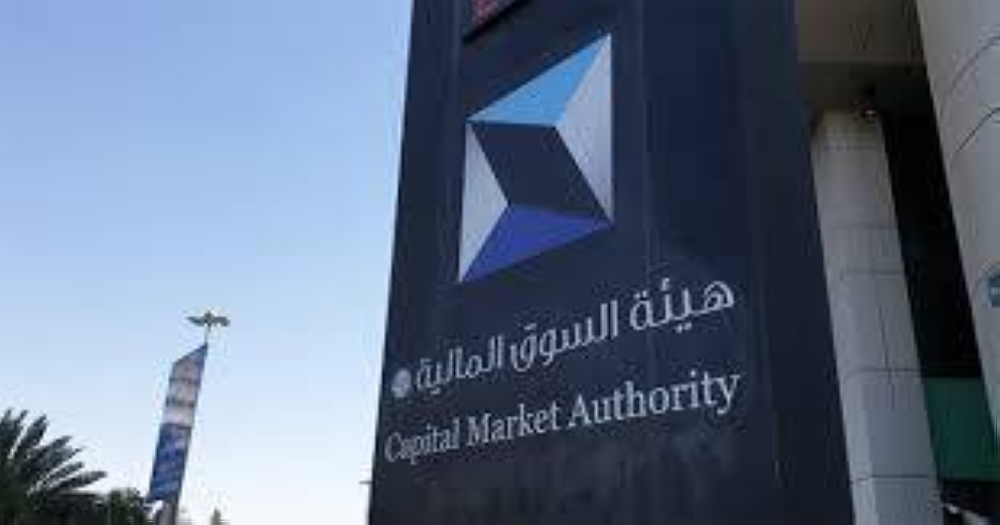
اعتمد مجلس هيئة السوق المالية السعودية دليل إصدار أدوات الدين الخضراء والاجتماعية والمستدامة والمرتبطة بالاستدامة، الذي سيتم العمل به ابتداء من 27 مايو الجاري.
وقالت الهيئة في بيان على موقعها الإلكتروني إن اعتمادها الدليل يأتي استناداً إلى دورها في تنفيذ إستراتيجية الاستدامة التي استحدثتها اللجنة الوزارية لإستراتيجية استدامة الشركات، بالتعاون مع عدد من الجهات ذات العلاقة في القطاعين الحكومي والخاص، بما يتماشى مع الأهداف الإستراتيجية للهيئة في خطتها (2024 – 2026) المتعلقة بتطوير سوق الصكوك وأدوات الدين.
وأوضحت أن الدليل يعدّ من مخرجات مبادرة «إنشاء الإطار التنظيمي لأدوات الدين الخضراء والاجتماعية والمستدامة» وهي إحدى المبادرات الرئيسية ضمن هذه الخطة، بما يسهم في تشجيع الإصدارات المحلية وتعميق سوق أدوات الدين، الأمر الذي سينعكس إيجاباً على تمويل الاقتصاد الوطني، ودعم تحقيق مستهدفات برنامج تطوير القطاع المالي ضمن رؤية السعودية 2030.
وأكدت الهيئة استمرار التزام الجهات المصدرة لأدوات الدين بكافة القواعد الخاصة بطرح الأوراق المالية والالتزامات المستمرة بحسب نظام السوق المالية ولوائحه التنفيذية ذات العلاقة، إذ تعتبر أحكام هذا الدليل استرشادية، إلا أنه يلزم الكيانات المُصدرة لأدوات الدين الخضراء أو الاجتماعية أو المستدامة أو المرتبطة بالاستدامة المقومة بالريال السعودي والمطروحة طرحاً خاصاً أو عاماً في المملكة، بالإفصاح عما لم يتم الالتزام به من أحكام في هذا الدليل، على أن يكون هذا الإفصاح في مستند إطار إصدار أدوات الدين أو مستند الطرح، كما لا يترتب على هذا الدليل أي تغيير في القواعد والإجراءات النظامية المتبعة في السوق المالية.
وأوضحت الهيئة أن من أدوات الدين التي يشملها الدليل، تلك التي تستخدم متحصلات طرحها لتمويل أو إعادة تمويل مشاريع تسهم في تحقيق أثر بيئي إيجابي، أو تحقق منافع اجتماعية، أو تجمع بين المنافع البيئية والاجتماعية. ويتضمن الدليل تعريفاً لأربعة أنواع من أدوات الدين وهي أدوات الدين الخضراء، وأدوات الدين الاجتماعية، وأدوات الدين المستدامة، وأدوات الدين المرتبطة بالاستدامة.
وتعتبر أدوات الدين «الخضراء» و«الاجتماعية» و«المستدامة» إلى جانب أدوات الدين «المرتبطة بالاستدامة» من أنواع أدوات الدين، إلا أن الأنواع الثلاثة الأولى يتم تخصيص متحصلات طرحها بشكل محدد وحصري لمشاريع لها تأثير إيجابي على البيئة والمجتمع، فيما يتم استخدام متحصلات طرح أدوات الدين المرتبطة بالاستدامة لأغراض المُصدر العامة، ولا يعد استخدام متحصلات طرحها عاملاً محدداً في تصنيفها.
وكانت الأصول العالمية المرتبطة بمعايير الاستدامة قد شهدت نمواً كبيراً بعد أن وصلت قيمتها إلى 3.52 تريليون دولار بنهاية العام الماضي، وبزيادة تقارب 92.7% مقارنة بـ2020، فيما تجاوز حجم السندات الخضراء 580 مليار دولار بنهاية 2023، وهو ما يدلّ على تزايد الاهتمام وتبني الاستثمار المستدام عالمياً، وتنامي الاهتمام بتمويل المشاريع التي تحقق أثراً بيئياً إيجابياً.
«السوق» تعتمد دليل إصدار أدوات الدين الخضراء والاجتماعية والمستدامة
27 مايو 2025 - 22:47
|
آخر تحديث 27 مايو 2025 - 22:47


تابع قناة عكاظ على الواتساب
«عكاظ» (الرياض)
The Saudi Capital Market Authority Board has approved the guide for issuing green, social, sustainable, and sustainability-linked debt instruments, which will come into effect starting May 27 of this year.
The Authority stated in a statement on its website that the approval of the guide comes based on its role in implementing the sustainability strategy established by the Ministerial Committee for Corporate Sustainability Strategy, in collaboration with several relevant entities in both the public and private sectors, in line with the Authority's strategic goals in its plan (2024 – 2026) related to developing the sukuk and debt instruments market.
It clarified that the guide is one of the outcomes of the initiative "Establishing the Regulatory Framework for Green, Social, and Sustainable Debt Instruments," which is one of the main initiatives within this plan, contributing to encouraging local issuances and deepening the debt instruments market, which will positively reflect on financing the national economy and support achieving the targets of the Financial Sector Development Program under Saudi Vision 2030.
The Authority confirmed the continued commitment of the issuers of debt instruments to all rules related to the offering of securities and ongoing obligations according to the Capital Market Law and its relevant executive regulations, as the provisions of this guide are advisory. However, entities issuing green, social, sustainable, or sustainability-linked debt instruments denominated in Saudi riyals and offered privately or publicly in the Kingdom are required to disclose any non-compliance with the provisions of this guide, and this disclosure should be included in the debt issuance framework document or the offering document. Additionally, this guide does not result in any changes to the regulatory rules and procedures followed in the financial market.
The Authority explained that the debt instruments covered by the guide are those that use the proceeds from their issuance to finance or refinance projects that contribute to achieving a positive environmental impact, or provide social benefits, or combine both environmental and social benefits. The guide includes definitions of four types of debt instruments: green debt instruments, social debt instruments, sustainable debt instruments, and sustainability-linked debt instruments.
Green, social, and sustainable debt instruments, along with sustainability-linked debt instruments, are considered types of debt instruments. However, the proceeds from the first three types are specifically and exclusively allocated to projects that have a positive impact on the environment and society, while the proceeds from the issuance of sustainability-linked debt instruments are used for the general purposes of the issuer, and the use of their proceeds is not a determining factor in their classification.
Global assets linked to sustainability standards have seen significant growth, reaching a value of $3.52 trillion by the end of last year, an increase of approximately 92.7% compared to 2020. Meanwhile, the volume of green bonds exceeded $580 billion by the end of 2023, indicating a growing interest and adoption of sustainable investment globally, and an increasing focus on financing projects that achieve a positive environmental impact.
The Authority stated in a statement on its website that the approval of the guide comes based on its role in implementing the sustainability strategy established by the Ministerial Committee for Corporate Sustainability Strategy, in collaboration with several relevant entities in both the public and private sectors, in line with the Authority's strategic goals in its plan (2024 – 2026) related to developing the sukuk and debt instruments market.
It clarified that the guide is one of the outcomes of the initiative "Establishing the Regulatory Framework for Green, Social, and Sustainable Debt Instruments," which is one of the main initiatives within this plan, contributing to encouraging local issuances and deepening the debt instruments market, which will positively reflect on financing the national economy and support achieving the targets of the Financial Sector Development Program under Saudi Vision 2030.
The Authority confirmed the continued commitment of the issuers of debt instruments to all rules related to the offering of securities and ongoing obligations according to the Capital Market Law and its relevant executive regulations, as the provisions of this guide are advisory. However, entities issuing green, social, sustainable, or sustainability-linked debt instruments denominated in Saudi riyals and offered privately or publicly in the Kingdom are required to disclose any non-compliance with the provisions of this guide, and this disclosure should be included in the debt issuance framework document or the offering document. Additionally, this guide does not result in any changes to the regulatory rules and procedures followed in the financial market.
The Authority explained that the debt instruments covered by the guide are those that use the proceeds from their issuance to finance or refinance projects that contribute to achieving a positive environmental impact, or provide social benefits, or combine both environmental and social benefits. The guide includes definitions of four types of debt instruments: green debt instruments, social debt instruments, sustainable debt instruments, and sustainability-linked debt instruments.
Green, social, and sustainable debt instruments, along with sustainability-linked debt instruments, are considered types of debt instruments. However, the proceeds from the first three types are specifically and exclusively allocated to projects that have a positive impact on the environment and society, while the proceeds from the issuance of sustainability-linked debt instruments are used for the general purposes of the issuer, and the use of their proceeds is not a determining factor in their classification.
Global assets linked to sustainability standards have seen significant growth, reaching a value of $3.52 trillion by the end of last year, an increase of approximately 92.7% compared to 2020. Meanwhile, the volume of green bonds exceeded $580 billion by the end of 2023, indicating a growing interest and adoption of sustainable investment globally, and an increasing focus on financing projects that achieve a positive environmental impact.