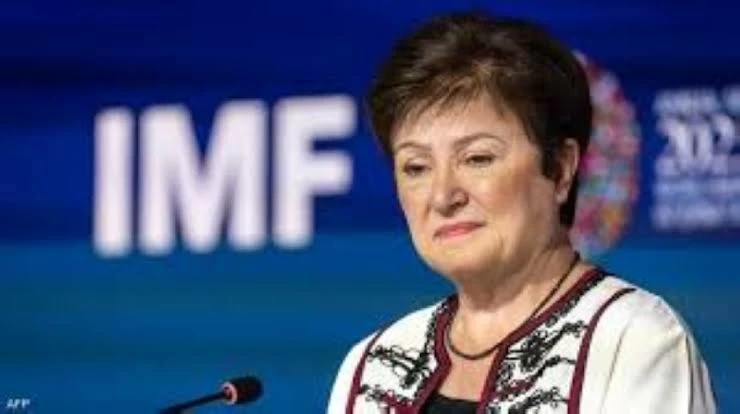
حذرت المديرة العامة لصندوق النقد الدولي كريستالينا غورغييفا من أن الاقتصاد العالمي يواجه مزيجاً معقداً من التحديات والفرص، يتمثل في صدمة سلبية بإمدادات الطاقة نتيجة التوترات والصراعات في الشرق الأوسط، بالتزامن مع طفرة استثمارية ضخمة في الذكاء الاصطناعي تدعم النمو الاقتصادي في عدد من الدول، لكنها تفرض في الوقت نفسه ضغوطاً تضخمية ومخاطر مالية جديدة.
التشديد النقدي
وتوقعت غورغييفا أن يتجاوز الدين العام العالمي قريباً مستوى 100% من الناتج المحلي الإجمالي العالمي، داعية صناع السياسات إلى التحلي بالحذر. كما رأت أن البنوك المركزية الرئيسية ينبغي أن تحتفظ بميل نحو التشديد النقدي، معتبرة أن رفع أسعار الفائدة قد يكون خياراً مناسباً لكل من الاحتياطي الفيدرالي الأمريكي والبنك المركزي الأوروبي وبنك اليابان. وأكدت غورغييفا أن صدمة أسعار الطاقة جرى احتواؤها إلى حد كبير، لكنها حذرت من استمرار ارتفاع أسعار النفط والديزل، إضافة إلى استمرار نقص إمدادات الغاز، ما يبقي مخاطر التضخم وأسعار الطاقة ضمن أبرز التحديات التي تواجه الاقتصاد العالمي خلال المرحلة القادمة.
مواجهة الصدمات
وقالت غورغييفا: «إن الاقتصاد العالمي أظهر مرونة وقدرة كبيرة على التكيف في مواجهة الصدمات المتتالية التي شهدها خلال السنوات الأخيرة، إلا أن التحديات لا تزال قائمة». وأشارت إلى أن أبحاث صندوق النقد الدولي ترجح أن يضيف الذكاء الاصطناعي نحو نصف نقطة مئوية إلى النمو الاقتصادي العالمي خلال الفترة القادمة. كما توقعت أن تتجاوز الاستثمارات العالمية في الذكاء الاصطناعي، كنسبة من الناتج المحلي الإجمالي، المستويات التي سجلتها استثمارات البنية التحتية التاريخية في السكك الحديدية وشبكات الكهرباء والاتصالات.
وأضافت أن طفرة بناء البنية التحتية المرتبطة بالذكاء الاصطناعي، إلى جانب صدمات أسعار الطاقة والغذاء، قد تسهم في تعزيز الضغوط التضخمية عالمياً، لافتة إلى أن التوقعات الجديدة لصندوق النقد الدولي تضمنت خفض تقديرات النمو في أوكرانيا ودول الخليج وبعض الاقتصادات المستوردة للطاقة.
The Managing Director of the International Monetary Fund, Kristalina Georgieva, warned that the global economy is facing a complex mix of challenges and opportunities, characterized by a negative shock to energy supplies due to tensions and conflicts in the Middle East, alongside a massive investment boom in artificial intelligence that supports economic growth in several countries, while simultaneously imposing inflationary pressures and new financial risks.
Monetary Tightening
Georgieva predicted that global public debt would soon exceed 100% of global GDP, urging policymakers to exercise caution. She also noted that major central banks should maintain a bias towards monetary tightening, considering that raising interest rates may be a suitable option for both the U.S. Federal Reserve and the European Central Bank and the Bank of Japan. Georgieva confirmed that the shock from energy prices has been largely contained, but warned of the continued rise in oil and diesel prices, in addition to the ongoing gas supply shortages, which keep inflation and energy prices among the top challenges facing the global economy in the coming period.
Facing Shocks
Georgieva stated: "The global economy has shown resilience and a great capacity to adapt in the face of the successive shocks it has experienced in recent years, yet challenges remain." She pointed out that the IMF's research suggests that artificial intelligence could add about half a percentage point to global economic growth in the coming period. She also predicted that global investments in artificial intelligence, as a percentage of GDP, would surpass the levels recorded by historical investments in infrastructure such as railways, electricity networks, and telecommunications.
She added that the infrastructure boom related to artificial intelligence, alongside shocks to energy and food prices, could contribute to enhancing global inflationary pressures, noting that the IMF's new forecasts included a reduction in growth estimates for Ukraine, Gulf countries, and some energy-importing economies.