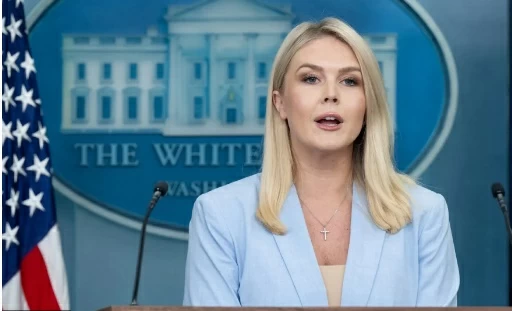
أعلنت المتحدثة باسم البيت الأبيض كارولين ليفيت أن الممثل التجاري الأمريكي جيميسون جرير سيعلن في وقت لاحق من اليوم، حزمة جديدة من الرسوم الجمركية.
يأتي ذلك بعدما رفضت المحكمة العليا الأمريكية في فبراير استخدام الرئيس دونالد ترمب صلاحيات «الطوارئ الاقتصادية» لفرض رسوم واسعة على الواردات؛ ما دفع الإدارة الأمريكية إلى تطبيق رسوم عالمية بنسبة 10% بموجب المادة 122 من قانون التجارة لعام 1974، والتي تنتهي صلاحيتها غداً.
فائض صناعي
عقب قرار المحكمة العليا، أطلق جرير في مارس سلسلة من التحقيقات بموجب المادة 301 من القانون نفسه، ما يتيح للإدارة الأمريكية فرض رسوم جمركية جديدة قد تحل محل الرسوم الحالية.
وركزت هذه التحقيقات على الدول التي تمتلك فائضاً صناعياً يُنظر إليه على أنه يضر بالمنتجات الأمريكية، إضافة إلى الشركاء التجاريين الذين لا يطبقون بشكل كافٍ القيود المفروضة على استيراد السلع المنتجة باستخدام العمل القسري.
جولة جديدة
وكان جيميسون جرير قد ألمح في وقت سابق إلى اقتراب إعلان إدارة الرئيس دونالد ترمب جولة جديدة من الرسوم الجمركية على عشرات الدول. ورداً على سؤال حول صحة تقرير صحيفة «فاينانشال تايمز»، الذي أشار إلى أن ترمب يستعد لفرض رسوم جمركية جديدة، قال جرير في مقابلة مع شبكة «سي إن بي سي»: «نتوقع أن نرى بعض الإجراءات قريباً». وذكرت الصحيفة في تقرير صدر اليوم، أن ترمب يستعد لفرض تعريفات جمركية جديدة على عشرات الدول في أقرب وقت هذا الأسبوع، وذلك مع قرب انتهاء صلاحية الرسوم الجمركية العالمية بنسبة 10% الجمعة القادم.
عقوبات على نماذج «الاصطناعي»
من جهته، أعلن وزير الخزانة الأمريكي سكوت بيسنت أن الولايات المتحدة قد تفرض عقوبات على نماذج الذكاء الاصطناعي الصينية إذا ثبت أنها استخدمت التكنولوجيا الأمريكية بصورة غير قانونية في عمليات التدريب. وأوضح بيسنت في لقاء مع شبكة «فوكس بيزنس» اليوم، أن إدارة الرئيس دونالد ترمب ترفض ما وصفه بسرقة الملكية الفكرية.
وأشار إلى أن السلطات الأمريكية تدرس مدى اعتماد بعض النماذج الأجنبية على تقنيات أو مخرجات نماذج الذكاء الاصطناعي الأمريكية. وذكر أن الولايات المتحدة تمتلك الأدوات القانونية اللازمة لفرض عقوبات في حال ثبوت هذه الممارسات، لافتاً إلى أن الأمر يخضع حالياً للمراجعة من قبل الإدارة الأمريكية.
The White House spokesperson, Caroline Levitt, announced that U.S. Trade Representative Jamison Greer will announce a new package of tariffs later today.
This comes after the U.S. Supreme Court rejected President Donald Trump's use of "economic emergency" powers in February to impose broad tariffs on imports; prompting the U.S. administration to implement a global 10% tariff under Section 122 of the Trade Act of 1974, which expires tomorrow.
Industrial Surplus
Following the Supreme Court's decision, Greer launched a series of investigations in March under Section 301 of the same law, allowing the U.S. administration to impose new tariffs that could replace the current ones.
These investigations focused on countries with an industrial surplus that is seen as harmful to American products, in addition to trading partners that do not adequately enforce restrictions on the import of goods produced using forced labor.
New Round
Jamison Greer had previously hinted at the Trump administration's impending announcement of a new round of tariffs on dozens of countries. In response to a question about the accuracy of a Financial Times report, which indicated that Trump is preparing to impose new tariffs, Greer said in an interview with CNBC: "We expect to see some actions soon." The newspaper reported today that Trump is preparing to impose new tariffs on dozens of countries as early as this week, as the global 10% tariffs are set to expire next Friday.
Sanctions on "Artificial" Models
For his part, U.S. Treasury Secretary Scott Bencin announced that the United States may impose sanctions on Chinese artificial intelligence models if it is proven that they used American technology illegally in their training processes. Bencin clarified in an interview with Fox Business today that the Trump administration rejects what he described as intellectual property theft.
He pointed out that U.S. authorities are examining the extent to which some foreign models rely on American AI technologies or outputs. He mentioned that the United States has the legal tools necessary to impose sanctions if these practices are proven, noting that the matter is currently under review by the U.S. administration.