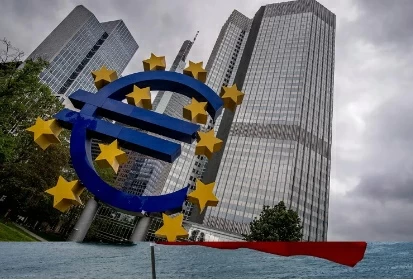
أبقى البنك المركزي الأوروبي على أسعار الفائدة الرئيسية دون تغيير، في ظل استمرار مخاطر تفاقم الضغوط التضخمية بسبب ارتفاع أسعار الطاقة، نتيجة الحرب في الشرق الأوسط.
وأعلن البنك في اجتماع (الخميس)، تثبيت سعر الفائدة الرئيسي عند مستوى 2.25%، بما يتماشى مع التوقعات، مشيرًا إلى أن الأثر الكامل لصدمة أسعار الطاقة على التضخم لم يتضح بعد.
تداعيات النفط
وأوضح البنك في بيانه الصادر اليوم، أنه يراقب عن كثب تداعيات أسعار النفط، مؤكداً التزامه بإعادة التضخم إلى مستهدفه البالغ 2% على المدى المتوسط.
وأضاف البنك المركزي أنه لن يلتزم مسبقًا بمسار محدد لأسعار الفائدة، مشيرًا إلى أن قراراته المستقبلية ستعتمد على تقييمه لتوقعات التضخم والمخاطر المحيطة بها.
المستوى المستهدف
وفي الولايات المتحدة، أُعيد الجدل بشأن مسار السياسة النقدية بعد تصريحات عدد من مسؤولي مجلس الاحتياطي الفدرالي الأمريكي، مع تزايد المؤشرات على اتساع الدعم للإبقاء على نهج متشدد في مواجهة التضخم، رغم توقعات الأسواق بتثبيت البنك المركزي أسعار الفائدة في اجتماعه المقرر يومي 28 و29 يوليو الجاري.
وأكد رئيس الاحتياطي الفدرالي كيفن وارش، خلال شهادته أمام لجنة الخدمات المالية في مجلس النواب، أن البنك المركزي «لن يتسامح» مع التضخم، وأن معركة إعادة الأسعار إلى المستوى المستهدف لم تنته بعد، ما يعكس التمسك بإعطاء أولوية لاستقرار الأسعار رغم الضغوط السياسية المطالبة بخفض الفائدة.
The European Central Bank kept the main interest rates unchanged, amid ongoing risks of worsening inflationary pressures due to rising energy prices as a result of the war in the Middle East.
The bank announced in its meeting on (Thursday) that it is maintaining the main interest rate at 2.25%, in line with expectations, indicating that the full impact of the energy price shock on inflation has not yet become clear.
Oil Implications
The bank clarified in its statement issued today that it is closely monitoring the implications of oil prices, reaffirming its commitment to bringing inflation back to its medium-term target of 2%.
The central bank added that it will not commit in advance to a specific path for interest rates, noting that its future decisions will depend on its assessment of inflation expectations and the surrounding risks.
Target Level
In the United States, the debate over the monetary policy path has resurfaced following statements from several officials of the U.S. Federal Reserve, with increasing signs of broad support for maintaining a hawkish approach to tackle inflation, despite market expectations for the central bank to keep interest rates unchanged in its upcoming meeting on July 28 and 29.
The Federal Reserve Chairman Kevin Warsh, during his testimony before the House Financial Services Committee, affirmed that the central bank "will not tolerate" inflation, and that the battle to bring prices back to the target level is not over yet, reflecting a commitment to prioritize price stability despite political pressures calling for interest rate cuts.