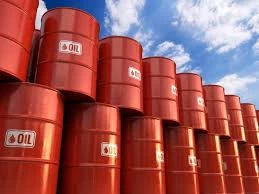
أعلنت وكالة الطاقة الدولية أن الدول الأعضاء في الوكالة سحبت نحو 290 مليون برميل نفط من احتياطياتها النفطية منذ عمليات السحب التي بدأت في 11 مارس الماضي.
وأوضحت الوكالة في بيان صدر اليوم أن الدول الأعضاء لا تزال تحتفظ بكمية كبيرة من مخزونات الطوارئ، بما في ذلك أكثر من مليار برميل من المخزونات التي تسيطر عليها الحكومات.
تهدئة ارتفاع الأسعار
وافقت الوكالة في شهر مارس على سحب 400 مليون برميل من المخزونات الإستراتيجية بهدف تهدئة الارتفاع الحاد في أسعار النفط عقب اندلاع الحرب بين الولايات المتحدة وإيران. وأوضحت الوكالة في وقت سابق اليوم أنها تواصل مراقبة تطورات أسواق النفط في ظل تصاعد الصراع في الشرق الأوسط، مشيرة إلى أن التوترات التي تؤثر على حركة الملاحة عبر مضيق هرمز والبنية التحتية للطاقة في المنطقة تزيد من المخاوف بشأن أمن الإمدادات.
مليار برميل احتياطي
أشارت الوكالة إلى أن دولها الأعضاء لا يزال لديها أكثر من مليار برميل من الاحتياطيات النفطية الإستراتيجية، مؤكدة استمرار تدفق المزيد من الكميات إلى الأسواق ضمن خطة السحب الطارئة. وحذّرت وكالة الطاقة من أن استمرار التصعيد العسكري وتراجع المخزونات التجارية يزيدان من مخاوف نقص الإمدادات، مشيرة إلى أن أسواق المنتجات المكررة، مثل الديزل والبنزين، تشهد أوضاعاً أكثر تشدداً مقارنة بسوق الخام.
The International Energy Agency announced that its member countries have withdrawn about 290 million barrels of oil from their oil reserves since the withdrawals began on March 11.
The agency clarified in a statement issued today that member countries still hold a significant amount of emergency stocks, including more than one billion barrels of stocks controlled by governments.
Calming Rising Prices
The agency agreed in March to withdraw 400 million barrels from strategic reserves to calm the sharp rise in oil prices following the outbreak of war between the United States and Iran. The agency stated earlier today that it continues to monitor developments in the oil markets amid escalating conflict in the Middle East, noting that tensions affecting shipping through the Strait of Hormuz and the region's energy infrastructure increase concerns about supply security.
One Billion Barrels in Reserves
The agency indicated that its member countries still have more than one billion barrels of strategic oil reserves, confirming the continued flow of additional quantities to the markets as part of the emergency withdrawal plan. The Energy Agency warned that ongoing military escalation and declining commercial stocks heighten concerns about supply shortages, noting that refined product markets, such as diesel and gasoline, are experiencing tighter conditions compared to the crude market.