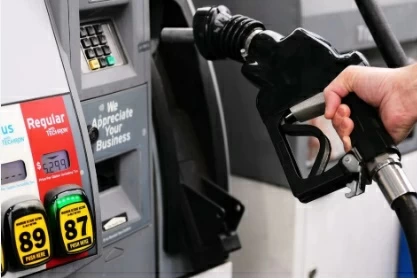
ارتفع سعر الديزل في الولايات المتحدة ليجاوز 5 دولارات للجالون الواحد، مع تصاعد التوتر في الشرق الأوسط، مما يُنذر بمزيد من التضخم الناجم عن الحرب، وفقاً لبيانات جمعية السيارات الأمريكية.
بلغ متوسط سعر الديزل 5.005 دولار للجالون أمس، بعد تراجع الأسعار في يونيو الماضي بفضل اتفاق سلام مؤقت بين الولايات المتحدة وإيران، لكنها عادت للارتفاع منذ بداية هذا الشهر مع تجدد الصراع. وفي الوقت نفسه، يقترب سعر البنزين في الولايات المتحدة من 4 دولارات، مع بلوغ الطلب الصيفي ذروته.
أزمة متفاقمة
وتشهد روسيا أزمة في إمدادات الوقود بسبب الهجمات الأوكرانية المتكررة على المصافي، مما أدى إلى طوابير طويلة أمام محطات الوقود وفرض قيود على المبيعات وارتفاع الأسعار، بحسب تقارير وكالات الأنباء. المناطق الجنوبية وشبه جزيرة القرم الأكثر تضرراً، حيث قفزت الأسعار هناك بما يصل إلى أربعة أو خمسة أضعاف، وأوقفت بعض المحطات بيع الوقود للأفراد والشركات، وفرضت السلطات قيوداً على النقل العام واستهلاك الكهرباء.
سقوف للكميات
وفقاً للتقارير، فرضت السلطات سقوفاً لكميات الوقود المسموح بشرائها بين 20 و60 لتراً للمركبة الواحدة، وحظرت تعبئة العبوات المحمولة للحد من التخزين والشراء بدافع الذعر. ورغم التحسن النسبي في توافر الوقود في موسكو وبعض المناطق الوسطى بفضل زيادة الواردات والسماح باستخدام أنواع وقود منخفضة الجودة، لا تزال القيود على المبيعات قائمة في أجزاء واسعة من روسيا، خصوصاً في مناطق الفولجا وسيبيريا.
The price of diesel in the United States has risen to over $5 per gallon, amid escalating tensions in the Middle East, which warns of further inflation caused by the war, according to data from the American Automobile Association.
The average price of diesel reached $5.005 per gallon yesterday, after prices had declined last June due to a temporary peace agreement between the United States and Iran, but they have started to rise again since the beginning of this month with the renewed conflict. At the same time, gasoline prices in the United States are approaching $4, as summer demand peaks.
Escalating Crisis
Russia is experiencing a fuel supply crisis due to repeated Ukrainian attacks on refineries, leading to long queues at gas stations, sales restrictions, and rising prices, according to news agency reports. The southern regions and the Crimean Peninsula are the most affected, where prices have surged by up to four or five times, and some stations have stopped selling fuel to individuals and businesses, while authorities have imposed restrictions on public transport and electricity consumption.
Quantity Caps
According to reports, authorities have imposed caps on the amount of fuel allowed to be purchased, ranging from 20 to 60 liters per vehicle, and have banned filling portable containers to limit hoarding and panic buying. Despite a relative improvement in fuel availability in Moscow and some central regions due to increased imports and the allowance of lower-quality fuel types, sales restrictions remain in wide areas of Russia, especially in the Volga and Siberia regions.