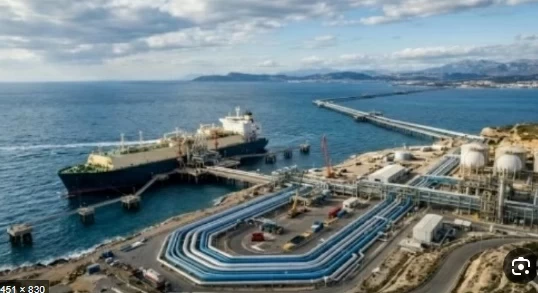
أعلن الاتحاد الدولي للغاز، في تقرير، أن تجارة الغاز الطبيعي المسال العالمية سجلت مستوى قياسياً العام الماضي، إذ عوضت الصادرات الأمريكية القوية وارتفاع الواردات الأوروبية تراجع المشتريات الآسيوية.
ومع ذلك، حذّر التقرير من أن الصراع في الشرق الأوسط قد يؤدي إلى انكماش في العام الحالي.
وقال رئيس الاتحاد الدولي للغاز أندريا ستيجر: «ألحق الصراع بشأن إيران أضراراً بالبنية التحتية للغاز الطبيعي المسال، وألقى بظلاله على آفاق مشروعات التوسع في المنطقة، وعرّض المشترين الآسيويين لحالة من الضبابية بشأن التدفقات وارتفاع الأسعار».
اتجاهات متباينة
وأشار الاتحاد الدولي للغاز، في التقرير، إلى أن تجارة الغاز الطبيعي المسال العالمية ارتفعت 6.3% لتصل إلى 436.98 مليون طن في عام 2025، وهو أسرع معدل نمو منذ عام 2022.
وسلط التقرير الضوء على الاتجاهات المتباينة في آسيا، مع انخفاض واردات الصين من الغاز الطبيعي المسال بسبب زيادة المعروض المحلي وارتفاع الواردات عبر خطوط الأنابيب من روسيا، في حين أدى تراجع الإنتاج في أجزاء من جنوب شرق آسيا إلى زيادة الاعتماد على مشتريات الغاز الطبيعي المسال في السوق الفورية.
واحتلت اليابان المرتبة الثانية بين أكبر المستوردين بواقع 67.37 مليون طن، في حين زادت كوريا الجنوبية وارداتها 1.7 مليون طن لتصل إلى 48.67 مليون.
وقال الاتحاد الدولي للغاز: «إن ارتفاع أسعار الغاز الطبيعي المسال لفترة طويلة قد يؤثر سلباً على نمو الطلب في الاقتصادات الآسيوية الناشئة، لا سيما في جنوب آسيا وجنوبها الشرقي».
أكبر زيادة
وسجلت أوروبا أكبر زيادة في الواردات، إذ ارتفعت وارداتها 26.1 مليون طن لتصل إلى 126.2 مليون، في إطار سعيها لتجديد مخزوناتها وتعويض انخفاض تدفقات الغاز الروسي.
وظلت منطقة آسيا والمحيط الهادي أكبر منطقة مستوردة للغاز الطبيعي المسال، إذ استوردت 168.7 مليون طن، رغم انخفاض الواردات إلى آسيا 9.2 مليون طن، ويرجع ذلك بشكل أساسي إلى انخفاض الطلب في الصين والهند.
وظلت الصين أكبر مستورد للغاز الطبيعي المسال في العالم بواقع 69.77 مليون طن، لكن الواردات انخفضت 8.9 مليون طن على أساس سنوي.
The International Gas Union announced in a report that global liquefied natural gas (LNG) trade reached a record level last year, as strong American exports and rising European imports compensated for the decline in Asian purchases.
However, the report warned that the conflict in the Middle East could lead to a contraction this year.
The President of the International Gas Union, Andrea Steiger, stated: "The conflict over Iran has damaged LNG infrastructure, overshadowed the prospects for expansion projects in the region, and exposed Asian buyers to uncertainty regarding flows and rising prices."
Divergent Trends
The International Gas Union noted in the report that global LNG trade increased by 6.3% to reach 436.98 million tons in 2025, marking the fastest growth rate since 2022.
The report highlighted the divergent trends in Asia, with China's LNG imports declining due to increased domestic supply and higher pipeline imports from Russia, while reduced production in parts of Southeast Asia led to greater reliance on spot market LNG purchases.
Japan ranked second among the largest importers with 67.37 million tons, while South Korea increased its imports by 1.7 million tons to reach 48.67 million.
The International Gas Union stated: "The prolonged rise in LNG prices could negatively impact demand growth in emerging Asian economies, particularly in South and Southeast Asia."
Largest Increase
Europe recorded the largest increase in imports, with its imports rising by 26.1 million tons to reach 126.2 million, as it sought to replenish its stocks and compensate for the decline in Russian gas flows.
The Asia-Pacific region remained the largest importer of LNG, importing 168.7 million tons, despite a 9.2 million ton decrease in imports to Asia, primarily due to reduced demand in China and India.
China remained the world's largest LNG importer with 69.77 million tons, but imports fell by 8.9 million tons year-on-year.