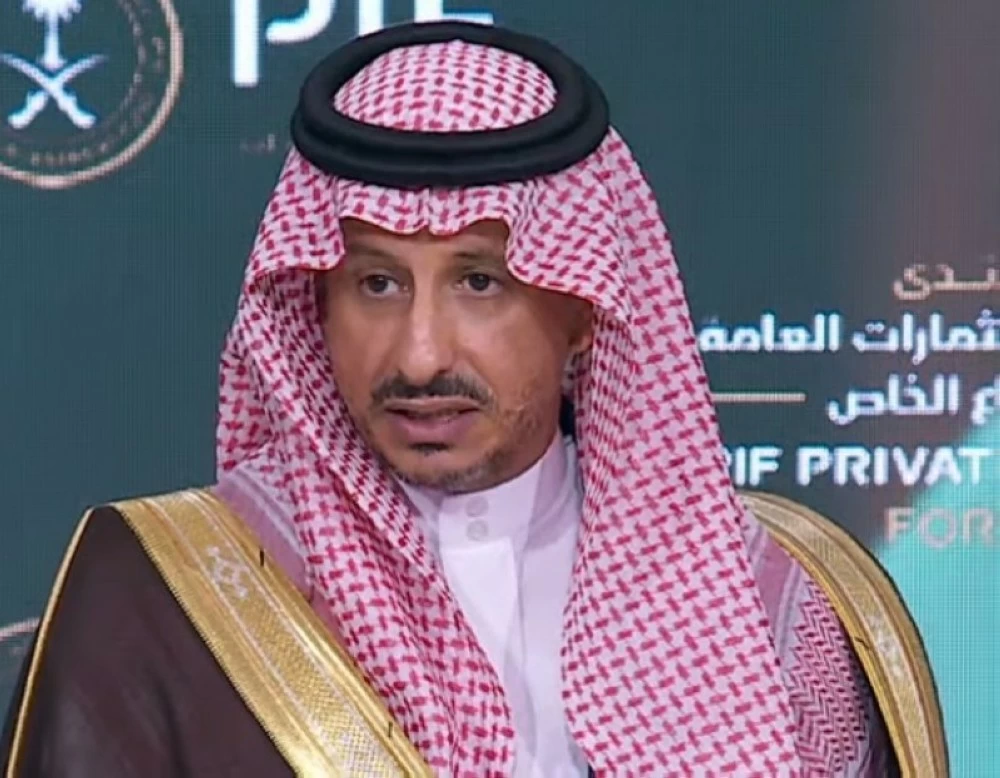
أكد وزير السياحة أحمد الخطيب، أن المملكة تمتلك مقومات نوعية تمكّنها من بناء قطاع سياحي قادر على المنافسة على المستوى العالمي، يشمل السياحة الدينية وسياحة الأعمال إلى جانب أنماط سياحية أخرى.
وأوضح الخطيب، خلال جلسة حوارية ضمن منتدى صندوق الاستثمارات العامة والقطاع الخاص، أن قطاع السياحة كان يُسهم بنحو 3.5% من الناتج المحلي الإجمالي في عام 2019، وارتفعت مساهمته إلى 5% خلال العام الماضي.
وأشار إلى أن قطاع السياحة يُعد من أكثر القطاعات توليداً للوظائف عالمياً، مبيناً أن المملكة تجاوزت حاجز المليون وظيفة في هذا القطاع.
وبيّن أن حجم الاستثمارات الملتزم بها في قطاع السياحة خلال الفترة من 2020 حتى 2030 يُقدّر بنحو 450 مليار ريال، تتوزع بالتساوي بين استثمارات صندوق الاستثمارات العامة واستثمارات القطاع الخاص.
وأضاف أن صندوق الاستثمارات العامة اضطلع خلال السنوات الماضية بدور محوري في تطوير وجهات سياحية كبرى كان من الصعب على القطاع الخاص تنفيذها بمفرده، نظراً لضخامة رؤوس الأموال المطلوبة والحاجة إلى إنشاء بنية تحتية متكاملة، مشيراً إلى مشاريع نوعية مثل جزر البحر الأحمر ومشروع القدية.
وأوضح أن اكتمال البنية التحتية في هذه المشاريع يفتح المجال أمام القطاع الخاص للاستفادة من الفرص الاستثمارية، وبناء الفنادق والمراكز التجارية وتقديم تجارب سياحية تلبي تطلعات الزوار والمقيمين.
Tourism Minister Ahmed Al-Khatib confirmed that the Kingdom possesses qualitative components that enable it to build a tourism sector capable of competing on a global level, encompassing religious tourism, business tourism, along with other tourism patterns.
Al-Khatib explained during a dialogue session at the Public Investment Fund and Private Sector Forum that the tourism sector contributed about 3.5% to the GDP in 2019, and its contribution rose to 5% during the past year.
He pointed out that the tourism sector is one of the most job-generating sectors globally, indicating that the Kingdom has surpassed the one million job mark in this sector.
He clarified that the volume of investments committed to the tourism sector from 2020 to 2030 is estimated at around 450 billion riyals, evenly distributed between investments from the Public Investment Fund and private sector investments.
He added that the Public Investment Fund has played a pivotal role in recent years in developing major tourist destinations that would have been difficult for the private sector to implement alone, due to the massive capital required and the need to establish integrated infrastructure, mentioning quality projects such as the Red Sea Islands and the Qiddiya project.
He explained that the completion of the infrastructure in these projects opens the door for the private sector to benefit from investment opportunities, build hotels and commercial centers, and provide tourism experiences that meet the aspirations of visitors and residents.