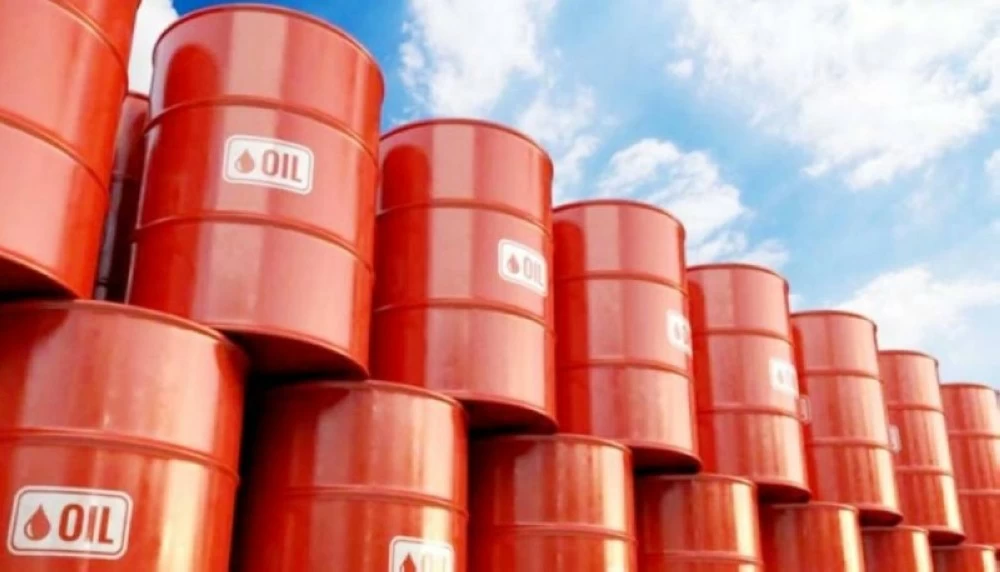
تراجعت أسعار النفط اليوم، بعد تصريحات الرئيس الأمريكي دونالد ترمب، والتي أشارت إلى أن فنزويلا ستسلّم الولايات المتحدة ما بين 30 و50 مليون برميل من النفط، تُقدّر قيمتها بنحو 2.8 مليار دولار وفق الأسعار الحالية، موضحا أن الشحنات سيتم بيعها بسعر السوق على أن تُستخدم العائدات لصالح البلدين. وتمثل الكميات المذكورة ما يعادل إنتاج فنزويلا لمدة تراوح بين 30 و50 يوماً.
تخمة المعروض
وانخفضت العقود الآجلة لخام برنت 18 سنتاً أو 0.30% إلى 60.52 دولار للبرميل بحلول الساعة 12:10 بتوقيت غرينتش، وتراجع خام غرب تكساس الوسيط الأمريكي 32 سنتاً أو 0.56% إلى 56.81 دولار للبرميل.
وانخفض كلا الخامين القياسيين بأكثر من دولار في جلسة التداول السابقة، وسط توقع السوق لتخمة في المعروض العالمي هذا العام.
تجنب التصعيد
وقد يتطلب الاتفاق في البداية تغيير مسار شحنات متجهة أصلاً إلى الصين، وربما تسعى فنزويلا إلى التخلص من ملايين البراميل من النفط العالقة في ناقلات النفط ومرافق التخزين لتجنب أي تصعيد إضافي مع الولايات المتحدة.
وكان ترمب قد طالب فنزويلا بفتح أسواقها أمام شركات النفط الأمريكية وإلا تواجه خطر تصعيد التدخل العسكري، وبعد ذلك ألقت القوات الأمريكية القبض على الرئيس الفنزويلي نيكولاس مادورو مطلع هذا الأسبوع.
Oil prices fell today, following statements from U.S. President Donald Trump, which indicated that Venezuela would deliver between 30 and 50 million barrels of oil to the United States, valued at approximately $2.8 billion at current prices, clarifying that the shipments will be sold at market price and the proceeds will benefit both countries. The mentioned quantities represent the equivalent of Venezuela's production for a period ranging from 30 to 50 days.
Oversupply
Brent crude futures fell by 18 cents or 0.30% to $60.52 per barrel by 12:10 GMT, while West Texas Intermediate crude dropped by 32 cents or 0.56% to $56.81 per barrel.
Both benchmark crudes declined by more than a dollar in the previous trading session, amid market expectations of an oversupply in the global market this year.
Avoiding Escalation
The agreement may initially require rerouting shipments that were originally headed to China, and Venezuela may seek to offload millions of barrels of oil stuck in tankers and storage facilities to avoid any further escalation with the United States.
Trump had demanded that Venezuela open its markets to American oil companies or face the risk of escalating military intervention, and shortly thereafter, U.S. forces arrested Venezuelan President Nicolas Maduro earlier this week.