


يرى محللو «بنك أوف أمريكا» أن انتشار السيارات ذاتية القيادة قد يشكّل «فرصة ذهبية» لشركات التأمين، رغم المخاوف المرتبطة بالمسؤولية القانونية في حال وقوع حوادث.
وأوضح فريق بحثي لدى المصرف، في مذكرة نُشرت اليوم (الخميس)، أن النظام القانوني في الولايات المتحدة يلقي بالمسؤولية على السائق حال وقوع حادث.
لكن مع السيارات الذاتية، لا يوجد سائق بالمعنى التقليدي، ما يعني انتقال العبء القانوني من الأفراد إلى الشركات المصنعة ومطوري البرمجيات.
وأضاف المحللون أن هذا التحول قد يزيل أحد العوائق أمام ربحية شركات التأمين، إذ غالباً ما تتكبد خسائر في تغطية المسؤولية المدنية.
وورد في المذكرة أن شركات التأمين ستستفيد من معالجة المطالبات، وتحويل التعويضات إلى الأطراف التجارية المسؤولة، بدلاً من تحميل المخاطر على ميزانياتها الخاصة.
ورغم أن البعض يرى أن تقليص الأخطاء البشرية سيؤدي إلى تراجع الحوادث وبالتالي تآكل هوامش أرباح التأمين، إلا أن بيانات رصدها «بنك أوف أمريكا» تشير إلى العكس.
وازدادت حدة الحوادث بوتيرة تفوق انخفاض معدلات وقوعها، والتي في الوقت نفسه تباطأت على مدار العقدين أو الثلاثة عقود الماضية.
«بنك أوف أمريكا»: السيارات ذاتية القيادة تعزز ربحية التأمين
21 أغسطس 2025 - 22:46
|
آخر تحديث 21 أغسطس 2025 - 22:46
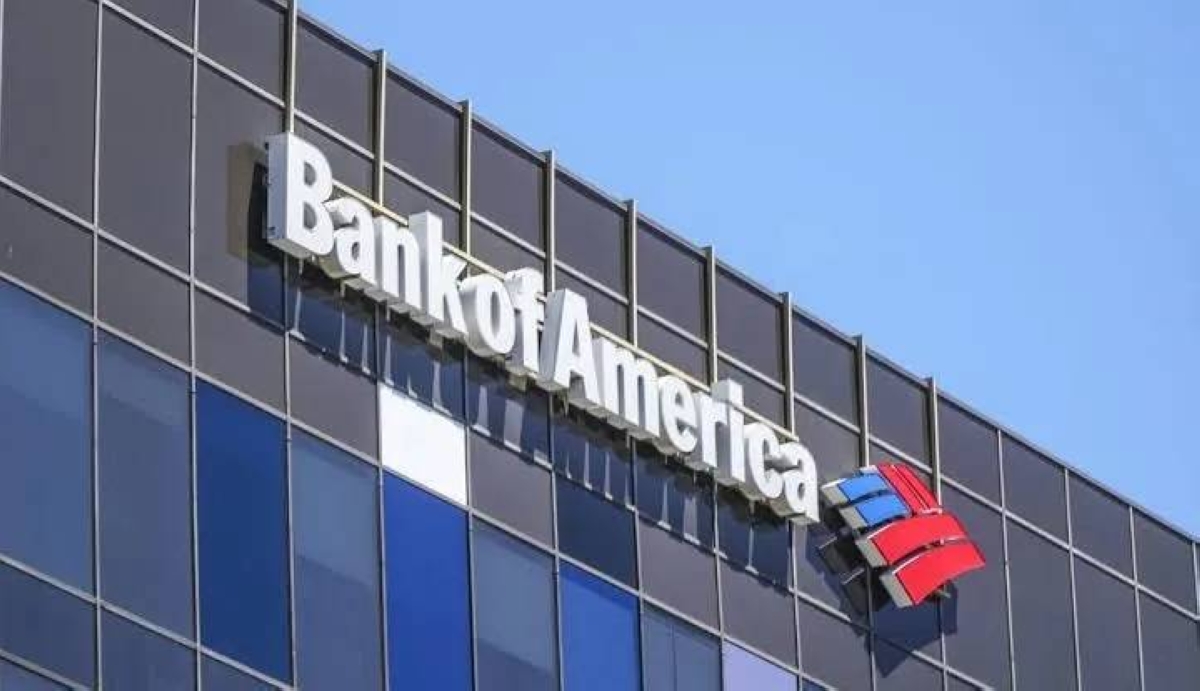
تحليل البنك ارتبط بوجود مخاوف من المسؤولية القانونية عند وقوع الحوادث (متداولة)


تابع قناة عكاظ على الواتساب
«عكاظ» (واشنطن) @okaz_online
Analysts at "Bank of America" believe that the spread of self-driving cars could represent a "golden opportunity" for insurance companies, despite concerns related to legal liability in the event of accidents.
A research team at the bank explained in a memo published today (Thursday) that the legal system in the United States places responsibility on the driver in the event of an accident.
However, with self-driving cars, there is no driver in the traditional sense, which means that the legal burden shifts from individuals to manufacturers and software developers.
The analysts added that this shift could remove one of the barriers to the profitability of insurance companies, as they often incur losses in covering civil liability.
The memo stated that insurance companies will benefit from processing claims and directing compensations to the responsible commercial parties, rather than bearing the risks on their own balance sheets.
Although some believe that reducing human errors will lead to a decrease in accidents and thus erode insurance profit margins, data monitored by "Bank of America" indicates the opposite.
The severity of accidents has increased at a rate that surpasses the decline in their occurrence rates, which have simultaneously slowed over the past two or three decades.
A research team at the bank explained in a memo published today (Thursday) that the legal system in the United States places responsibility on the driver in the event of an accident.
However, with self-driving cars, there is no driver in the traditional sense, which means that the legal burden shifts from individuals to manufacturers and software developers.
The analysts added that this shift could remove one of the barriers to the profitability of insurance companies, as they often incur losses in covering civil liability.
The memo stated that insurance companies will benefit from processing claims and directing compensations to the responsible commercial parties, rather than bearing the risks on their own balance sheets.
Although some believe that reducing human errors will lead to a decrease in accidents and thus erode insurance profit margins, data monitored by "Bank of America" indicates the opposite.
The severity of accidents has increased at a rate that surpasses the decline in their occurrence rates, which have simultaneously slowed over the past two or three decades.


