


يستعد اجتماع وزراء المالية ومحافظي البنوك المركزية لمجموعة العشرين في ديربان، جنوب أفريقيا، يومي الخميس والجمعة، ليكون تحت مظلة التوترات الجيو-سياسية والاقتصادية، مع غياب وزير الخزانة الأمريكي سكوت بيسينت، وتهديدات الرئيس دونالد ترمب بفرض رسوم جمركية جديدة، وتصاعد الخلافات بين واشنطن ودول مجموعة بريكس.
وسبق أن تغيب «بيسينت» عن اجتماع وزراء المالية في كيب تاون في شهر فبراير الماضي، مما أثار تساؤلات حول قدرة مجموعة العشرين على مواجهة التحديات العالمية الملحة.
وقال رئيس قسم الاقتصاد الدولي في مجلس الأطلسي جوش ليبسكي: «من المقلق ألا تكون أكبر اقتصاد عالمي ممثلاً على مستوى سياسي رفيع، مما يثير شكوكاً حول استدامة مجموعة العشرين على المدى الطويل».
وأشار إلى أن غياب «بيسينت» يعكس خطط الولايات المتحدة لتقليص دور المجموعة عندما تتولى رئاستها العام المقبل.
وفرض ترمب رسوماً جمركية بنسبة 10% على جميع الواردات الأمريكية، مع رسوم عقابية تصل إلى 50% على الفولاذ والألمنيوم، و25% على السيارات، وتهديدات برسوم تصل إلى 200% على الأدوية.
كما أعلن رسوماً إضافية على 25 دولة، ستدخل حيز التنفيذ في الأول من أغسطس، مع تهديدات موجهة لدول بريكس، التي تضم 8 دول من مجموعة العشرين، بما في ذلك جنوب أفريقيا المضيفة، ويعكس هذا الوضع تنامي التوترات بين المؤسسات الغربية ودول بريكس، مما يهدد بإضعاف المنتديات الدولية.
يأتي الاجتماع وسط ضغوط اقتصادية متزايدة، خصوصاً في أفريقيا جنوب الصحراء، حيث وصل الدين الخارجي إلى 800 مليار دولار (45% من الناتج المحلي الإجمالي)، بحسب «غولدمان ساكس».
وتواجه المنطقة نقصاً تمويلياً بقيمة 80 مليار دولار بسبب تراجع القروض الصينية، وتقليص المنح الأمريكية والأوروبية التي تشكل 25% من التمويل الخارجي للمنطقة.
وقال وزير المالية الجنوب أفريقي السابق تريفور مانويل: «الصين قدمت موارد كبيرة عبر مبادرة الحزام والطريق، لكن هناك حاجة لمزيد من الشفافية في التعاملات».
وعندما تولت جنوب أفريقيا رئاسة مجموعة العشرين في ديسمبر الماضي تحت شعار التضامن، المساواة، الاستدامة، كانت تأمل في الضغط على الدول الغنية لتمويل المناخ ومعالجة انعدام الثقة بين الشمال والجنوب العالمي، لكنها تواجه الآن تحديات تداعيات تقليص المساعدات وتصاعد الحروب الجمركية.
وقال المعلق السياسي لومكيل موندي: «أفريقيا في موقف صعب، حيث يتراجع الاستثمار بسبب الديون المرتفعة وانخفاض النمو الاقتصادي».
وقدمت هيئة الاستقرار المالي لمجموعة العشرين خطة جديدة لمواجهة المخاطر المناخية، لكن التقدم توقف بسبب تراجع الولايات المتحدة عن مجموعات العمل المعنية بتأثير التغيرات المناخية على الاستقرار المالي.
وأصدرت الخزانة الوطنية في جنوب أفريقيا بياناً يوم الإثنين، عبرت فيه عن أملها في إصدار أول بيان رسمي بنهاية الاجتماعات.
توترات «جيو-اقتصادية» تطغى على G20 في ديربان
15 يوليو 2025 - 14:48
|
آخر تحديث 15 يوليو 2025 - 14:48
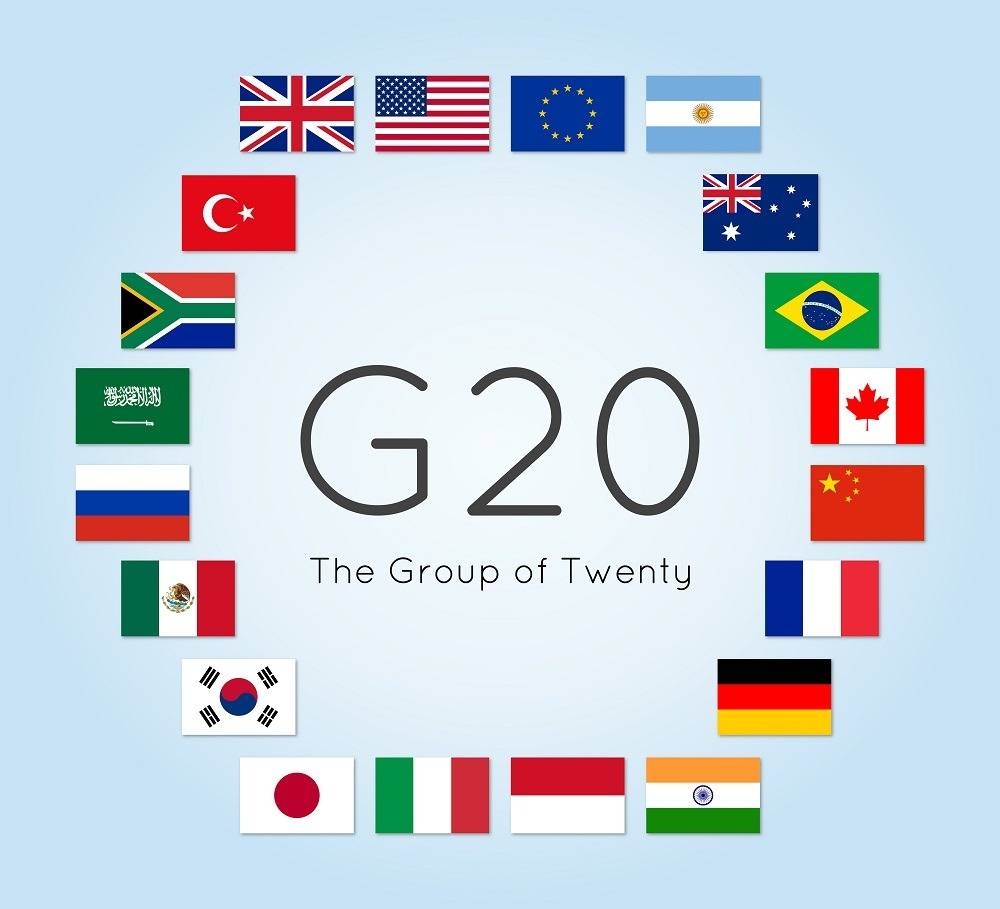
G 20


تابع قناة عكاظ على الواتساب
محمد صديق (القاهرة) @okaz_online
The G20 Finance Ministers and Central Bank Governors meeting is set to take place in Durban, South Africa, on Thursday and Friday, under the shadow of geopolitical and economic tensions, with the absence of U.S. Treasury Secretary Scott Piencen, President Donald Trump's threats of new tariffs, and escalating disputes between Washington and BRICS nations.
Piencen had previously missed the finance ministers' meeting in Cape Town last February, raising questions about the G20's ability to address pressing global challenges.
Josh Lipsky, head of international economics at the Atlantic Council, stated, "It is concerning that the world's largest economy is not represented at a high political level, raising doubts about the long-term sustainability of the G20."
He noted that Piencen's absence reflects the U.S. plans to downsize the group's role when it assumes the presidency next year.
Trump imposed a 10% tariff on all U.S. imports, with punitive tariffs reaching 50% on steel and aluminum, 25% on cars, and threats of tariffs up to 200% on pharmaceuticals.
He also announced additional tariffs on 25 countries, set to take effect on August 1, with threats directed at BRICS nations, which include 8 countries from the G20, including the host South Africa. This situation reflects the growing tensions between Western institutions and BRICS countries, threatening to weaken international forums.
The meeting comes amid increasing economic pressures, particularly in sub-Saharan Africa, where external debt has reached $800 billion (45% of GDP), according to Goldman Sachs.
The region faces a funding shortfall of $80 billion due to declining Chinese loans and reduced U.S. and European grants, which account for 25% of the region's external financing.
Former South African Finance Minister Trevor Manuel stated, "China has provided significant resources through the Belt and Road Initiative, but there is a need for more transparency in transactions."
When South Africa assumed the G20 presidency last December under the banner of solidarity, equality, and sustainability, it hoped to pressure wealthy nations to fund climate initiatives and address the trust deficit between the global north and south. However, it now faces challenges from the repercussions of reduced aid and escalating trade wars.
Political commentator Lumkile Mondi remarked, "Africa is in a tough position, as investment is declining due to high debt and low economic growth."
The Financial Stability Board of the G20 has presented a new plan to address climate risks, but progress has stalled due to the U.S. withdrawal from working groups focused on the impact of climate change on financial stability.
The National Treasury of South Africa issued a statement on Monday expressing hope to release the first official statement by the end of the meetings.
Piencen had previously missed the finance ministers' meeting in Cape Town last February, raising questions about the G20's ability to address pressing global challenges.
Josh Lipsky, head of international economics at the Atlantic Council, stated, "It is concerning that the world's largest economy is not represented at a high political level, raising doubts about the long-term sustainability of the G20."
He noted that Piencen's absence reflects the U.S. plans to downsize the group's role when it assumes the presidency next year.
Trump imposed a 10% tariff on all U.S. imports, with punitive tariffs reaching 50% on steel and aluminum, 25% on cars, and threats of tariffs up to 200% on pharmaceuticals.
He also announced additional tariffs on 25 countries, set to take effect on August 1, with threats directed at BRICS nations, which include 8 countries from the G20, including the host South Africa. This situation reflects the growing tensions between Western institutions and BRICS countries, threatening to weaken international forums.
The meeting comes amid increasing economic pressures, particularly in sub-Saharan Africa, where external debt has reached $800 billion (45% of GDP), according to Goldman Sachs.
The region faces a funding shortfall of $80 billion due to declining Chinese loans and reduced U.S. and European grants, which account for 25% of the region's external financing.
Former South African Finance Minister Trevor Manuel stated, "China has provided significant resources through the Belt and Road Initiative, but there is a need for more transparency in transactions."
When South Africa assumed the G20 presidency last December under the banner of solidarity, equality, and sustainability, it hoped to pressure wealthy nations to fund climate initiatives and address the trust deficit between the global north and south. However, it now faces challenges from the repercussions of reduced aid and escalating trade wars.
Political commentator Lumkile Mondi remarked, "Africa is in a tough position, as investment is declining due to high debt and low economic growth."
The Financial Stability Board of the G20 has presented a new plan to address climate risks, but progress has stalled due to the U.S. withdrawal from working groups focused on the impact of climate change on financial stability.
The National Treasury of South Africa issued a statement on Monday expressing hope to release the first official statement by the end of the meetings.


