


توقعت منظمة الدول المصدرة للنفط «أوبك» أن يواصل الاقتصاد العالمي أداءه القوي خلال النصف الثاني من عام 2025، رغم استمرار التحديات المتعلقة بالنزاعات التجارية، جاء ذلك في تقريرها الشهري الصادر اليوم (الإثنين)، الذي حافظت فيه على توقعاتها لنمو الطلب العالمي على النفط لعامي 2025 و2026 دون تغيير، بعد أن كانت قد خفضتها في شهر أبريل الماضي.
وأكدت «أوبك» أن أداء الاقتصاد العالمي خلال النصف الأول من 2025 تجاوز التوقعات، مرجحة أن يوفر هذا الزخم دعماً إضافياً للأشهر القادمة من العام، رغم توقعات بتباطؤ النمو بشكل طفيف على أساس ربع سنوي.
وفيما يخص المعروض النفطي، خفّضت المنظمة تقديراتها لنمو إمدادات النفط من الدول غير الأعضاء في «أوبك بلس» لعام 2026، متوقعة زيادة بمقدار 730 ألف برميل يومياً، أي أقل بـ70 ألف برميل عن توقعات الشهر السابق. وتُعد هذه المراجعة إشارة على أن تباطؤ نمو المعروض من خارج «أوبك بلس» قد يسهم في تعزيز جهود المجموعة لتحقيق التوازن في السوق.
وتوقعت «أوبك» أن يبلغ الطلب على نفط دول «أوبك بلس» 42.7 مليون برميل يومياً خلال العام الحالي، على أن يرتفع إلى 43.2 مليون برميل يومياً في عام 2026. وأشارت إلى أن إنتاج المجموعة سجل زيادة قدرها 180 ألف برميل يومياً في مايو، ليصل إلى 41.23 مليون برميل يومياً، في حين ارتفع إنتاج دول «أوبك» وحدها بمقدار 183 ألف برميل يومياً إلى 27.02 مليون برميل.
كما توقعت المنظمة استقرار إنتاج النفط الصخري الأمريكي في عام 2026 على أساس سنوي، في إشارة إلى أن طفرة الإنتاج التي أثرت على السوق في السنوات الماضية قد تشهد تباطؤاً.
«أوبك» أداء الاقتصاد العالمي تجاوز التوقعات في 2025
16 يونيو 2025 - 17:20
|
آخر تحديث 16 يونيو 2025 - 17:20
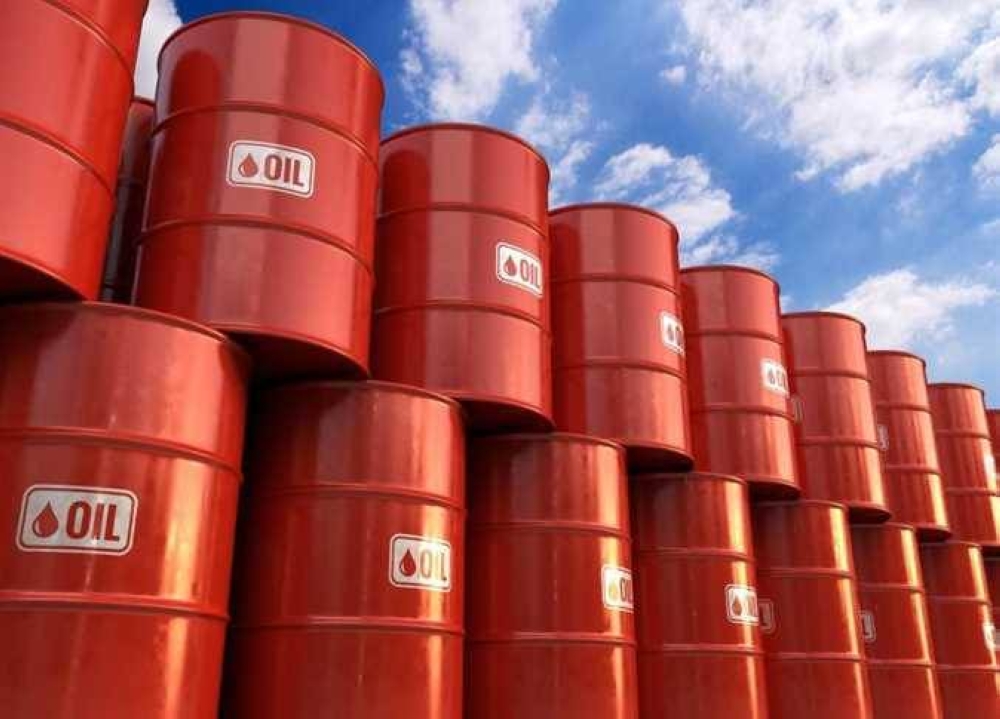
42.7 مليون برميل الطلب اليومي على دول أوبك بلس (متداولة)


تابع قناة عكاظ على الواتساب
«عكاظ» (جدة) @okaz_online
The Organization of the Petroleum Exporting Countries (OPEC) expects the global economy to continue its strong performance during the second half of 2025, despite ongoing challenges related to trade disputes. This was stated in its monthly report released today (Monday), in which it maintained its forecasts for global oil demand growth for 2025 and 2026 unchanged, after having lowered them in April.
OPEC confirmed that the performance of the global economy during the first half of 2025 exceeded expectations, suggesting that this momentum will provide additional support for the coming months of the year, despite expectations of a slight slowdown in growth on a quarterly basis.
Regarding oil supply, the organization reduced its estimates for oil supply growth from non-OPEC Plus countries for 2026, expecting an increase of 730,000 barrels per day, which is 70,000 barrels lower than last month's forecast. This revision is an indication that the slowdown in supply growth from outside OPEC Plus may contribute to enhancing the group's efforts to achieve market balance.
OPEC expects demand for oil from OPEC Plus countries to reach 42.7 million barrels per day during the current year, rising to 43.2 million barrels per day in 2026. It noted that the group's production recorded an increase of 180,000 barrels per day in May, reaching 41.23 million barrels per day, while the production of OPEC countries alone rose by 183,000 barrels per day to 27.02 million barrels.
The organization also anticipated that U.S. shale oil production would stabilize in 2026 on a year-over-year basis, indicating that the production boom that has impacted the market in recent years may see a slowdown.
OPEC confirmed that the performance of the global economy during the first half of 2025 exceeded expectations, suggesting that this momentum will provide additional support for the coming months of the year, despite expectations of a slight slowdown in growth on a quarterly basis.
Regarding oil supply, the organization reduced its estimates for oil supply growth from non-OPEC Plus countries for 2026, expecting an increase of 730,000 barrels per day, which is 70,000 barrels lower than last month's forecast. This revision is an indication that the slowdown in supply growth from outside OPEC Plus may contribute to enhancing the group's efforts to achieve market balance.
OPEC expects demand for oil from OPEC Plus countries to reach 42.7 million barrels per day during the current year, rising to 43.2 million barrels per day in 2026. It noted that the group's production recorded an increase of 180,000 barrels per day in May, reaching 41.23 million barrels per day, while the production of OPEC countries alone rose by 183,000 barrels per day to 27.02 million barrels.
The organization also anticipated that U.S. shale oil production would stabilize in 2026 on a year-over-year basis, indicating that the production boom that has impacted the market in recent years may see a slowdown.


