


يتوقع خبراء «آر بي سي» احتمالية تراجع الأسهم الأمريكية بنحو 20% في حال ارتفاع التضخم مع زيادة أسعار النفط، وحددوا سيناريوهات محتملة.
وأوضح الخبراء الاستراتيجيون في مذكرة حسبما نقلت «بلومبيرغ» أنه كلما اتسع الصراع في الشرق الأوسط وطال أمده، زادت الآثار السلبية على الأسهم الأمريكية.
وفي أسوأ السيناريوهات، يتوقع الخبراء عودة مؤشر الأسهم الأمريكية «إس أند بي 500» إلى مستوياته المتدنية المسجلة في شهر أبريل، حال أدت الهجمات في الشرق الأوسط إلى ارتفاع أسعار الطاقة، أما في سيناريو أقل حدة، قد يتراجع المؤشر 13%.
وأشاروا إلى أنه من المحتمل أن يولد الصراع قلقاً إضافيّاً بشأن الاستهلاك والاقتصاد عموماً، ومسار الاحتياطي الفيدرالي، وهو ما يؤثر بالتالي على أسعار الأسهم.
وتوقعوا احتمالية تراجع المؤشر إلى 4,800 نقطة، أي أقل 20% تقريباً عن المستويات الحالية بحلول نهاية العام في حالة ارتفاع التضخم إلى 4%، واستقرت الأرباح مقارنة بالعام الماضي، مع خفضين فقط في الفائدة، على أن تظل عوائد سندات الخزانة العشرية عند مستوياتها الحالية.
«RBC»: الأسهم الأمريكية ستهبط 20% مع ارتفاع التضخم
16 يونيو 2025 - 14:48
|
آخر تحديث 16 يونيو 2025 - 14:48
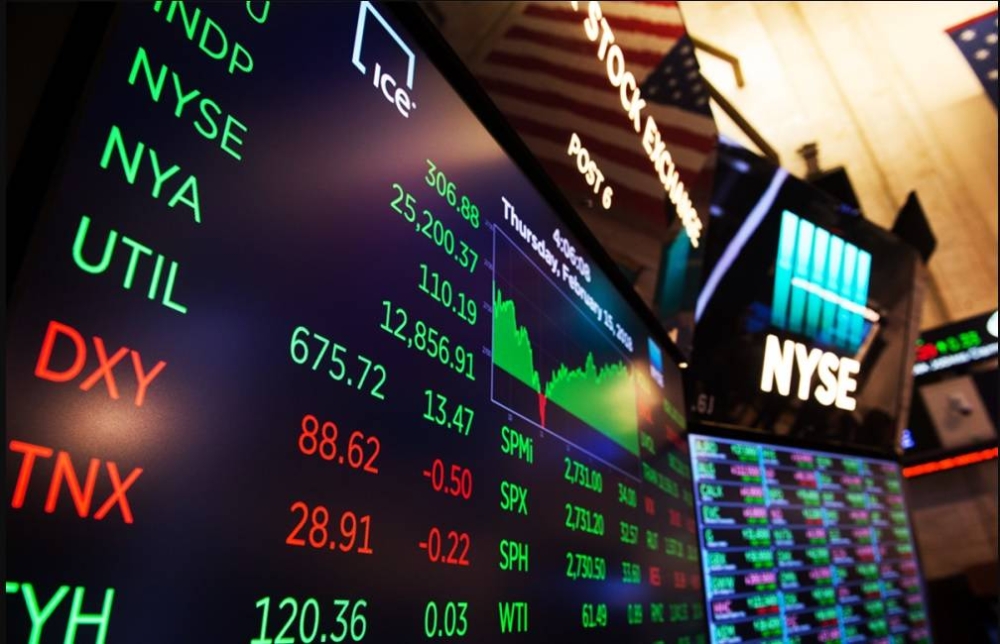
الخبراء توقعوا تراجع المؤشر إلى مستوياته المسجلة في شهر إبريل (متداول)


تابع قناة عكاظ على الواتساب
«عكاظ» (واشنطن) @okaz_online
Experts at "RBC" anticipate a potential decline of about 20% in U.S. stocks if inflation rises alongside increasing oil prices, and they have outlined possible scenarios.
Strategic experts noted in a memo, as reported by "Bloomberg," that the wider and longer the conflict in the Middle East extends, the more negative the effects on U.S. stocks will be.
In the worst-case scenarios, experts expect the U.S. stock index "S&P 500" to return to its low levels recorded in April if the attacks in the Middle East lead to a rise in energy prices. In a less severe scenario, the index may drop by 13%.
They pointed out that the conflict is likely to generate additional concerns about consumption and the economy in general, as well as the path of the Federal Reserve, which in turn affects stock prices.
They predicted a potential decline of the index to 4,800 points, which is about 20% lower than current levels by the end of the year if inflation rises to 4%, and profits stabilize compared to last year, with only two interest rate cuts, while the yields on ten-year Treasury bonds remain at their current levels.
Strategic experts noted in a memo, as reported by "Bloomberg," that the wider and longer the conflict in the Middle East extends, the more negative the effects on U.S. stocks will be.
In the worst-case scenarios, experts expect the U.S. stock index "S&P 500" to return to its low levels recorded in April if the attacks in the Middle East lead to a rise in energy prices. In a less severe scenario, the index may drop by 13%.
They pointed out that the conflict is likely to generate additional concerns about consumption and the economy in general, as well as the path of the Federal Reserve, which in turn affects stock prices.
They predicted a potential decline of the index to 4,800 points, which is about 20% lower than current levels by the end of the year if inflation rises to 4%, and profits stabilize compared to last year, with only two interest rate cuts, while the yields on ten-year Treasury bonds remain at their current levels.


