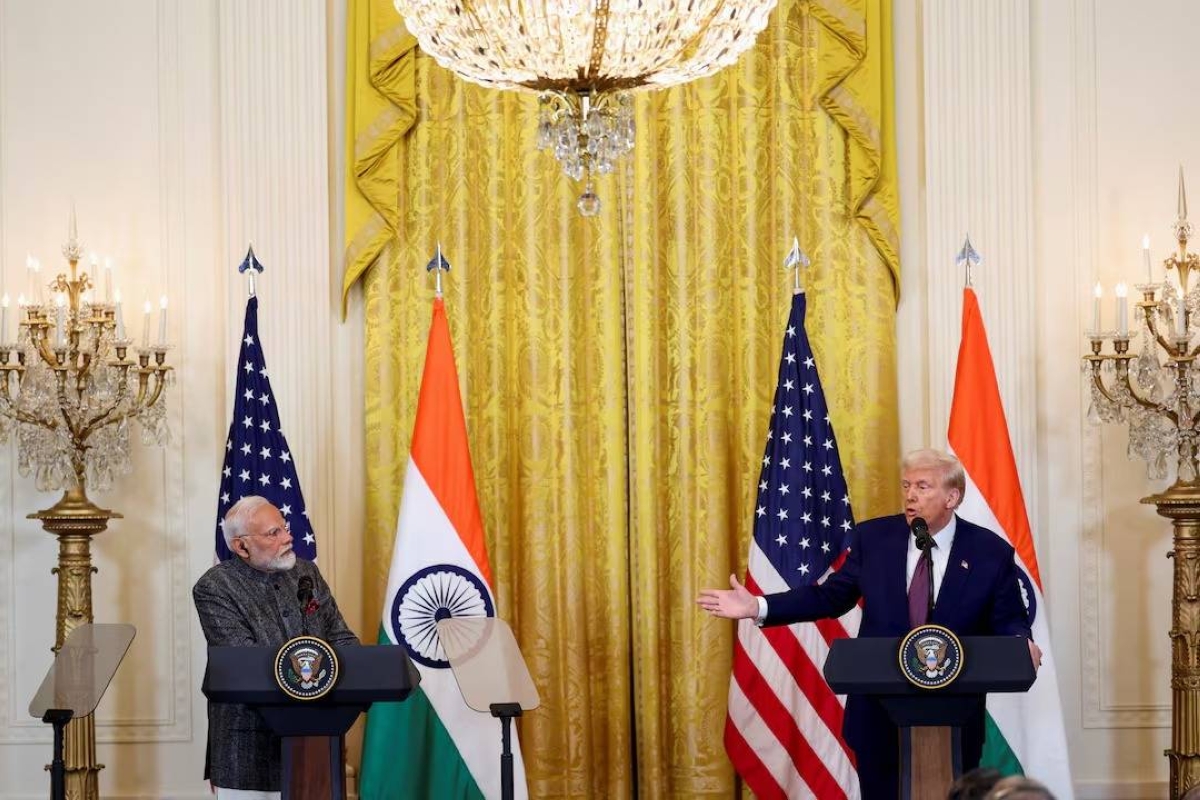
دخلت الزيادة المضاعفة في الرسوم الجمركية التي فرضها الرئيس الأمريكي دونالد ترمب على البضائع الهندية، التي تصل إلى 50%، حيز التنفيذ، اليوم (الأربعاء)، مما يزيد من التوترات بين أكبر دولتين ديمقراطيتين وشريكين استراتيجيين في العالم.
وتأتي هذه الرسوم الجديدة، التي تشمل ضريبة عقابية بنسبة 25% بسبب مشتريات الهند من النفط الروسي، إضافة إلى الرسوم السابقة بنسبة 25% على العديد من المنتجات الهندية.
وتصل بذلك الرسوم الإجمالية إلى 50% على سلع مثل الملابس، الأحجار الكريمة، المجوهرات، الأحذية، المعدات الرياضية، الأثاث، والمنتجات الكيميائية، مما يجعلها من بين الأعلى التي تفرضها الولايات المتحدة، وتساوي تلك المفروضة على البرازيل والصين.
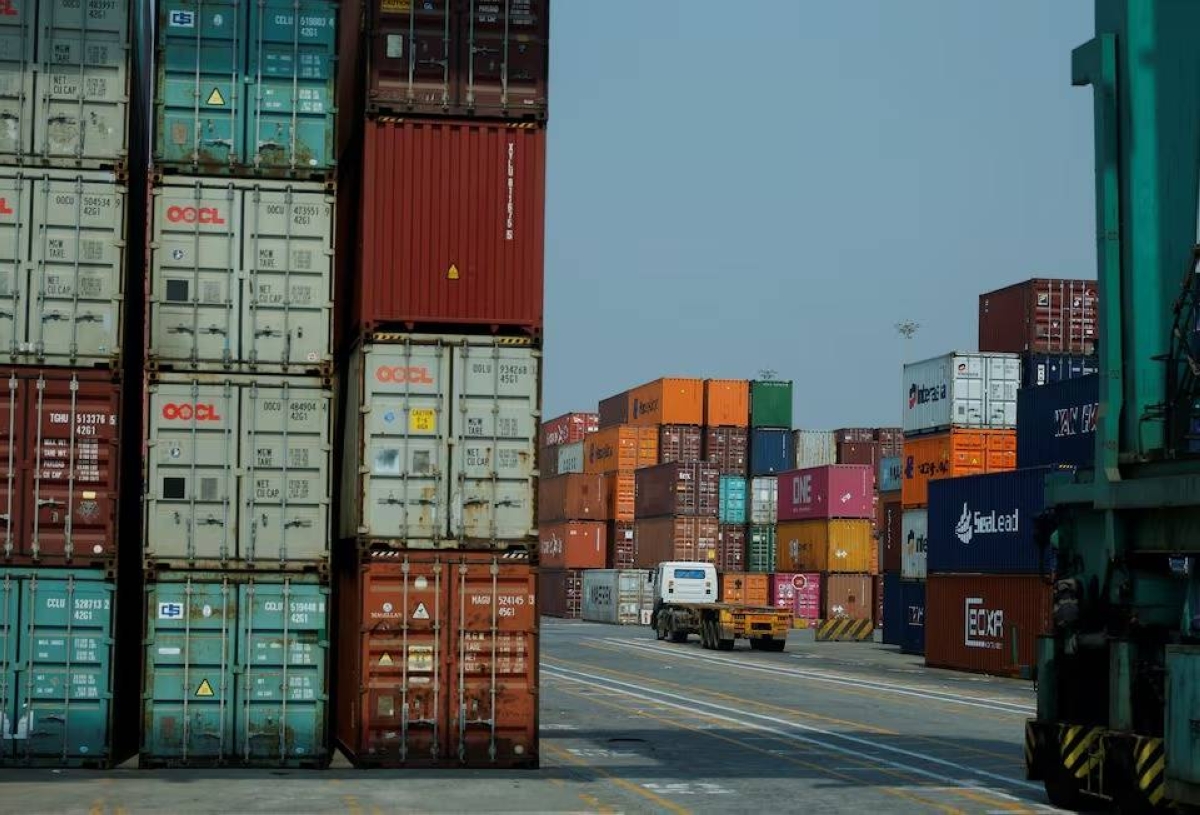
وتُهدد هذه الرسوم آلاف المصدرين الصغار وفرص العمل في الهند، بما في ذلك في ولاية غوجارات، مسقط رأس رئيس الوزراء ناريندرا مودي، فيما لم تصدر وزارة التجارة الهندية تعليقًا فوريًا، لكن مسؤولًا في الوزارة لفت إلى أن المصدرين المتضررين سيحصلون على دعم مالي وسيتم تشجيعهم على تنويع أسواقهم نحو الصين وأمريكا اللاتينية والشرق الأوسط.
ووفقًا لإشعار من هيئة الجمارك وحماية الحدود الأمريكية، تم منح إعفاء لمدة ثلاثة أسابيع للبضائع الهندية التي تم شحنها إلى الولايات المتحدة قبل الموعد النهائي منتصف الليل، حيث يمكن لهذه البضائع الدخول بمعدل الرسوم السابق الأقل حتى الساعة 12:01 صباحًا بتوقيت شرق الولايات المتحدة (0401 بتوقيت غرينتش) في 17 سبتمبر، كما تم إعفاء منتجات مثل الفولاذ، الألمنيوم، السيارات الركاب، والنحاس من هذه الرسوم بموجب قانون التجارة الأمنية الوطنية.
وتشير بيانات وزارة التجارة الهندية إلى أن متوسط الرسوم على الواردات الأمريكية يبلغ نحو 7.5%، بينما أشار مكتب الممثل التجاري الأمريكي إلى أن الرسوم على السيارات تصل إلى 100%، ومتوسط الرسوم على المنتجات الزراعية الأمريكية يبلغ 39%.
وفشلت خمس جولات من المحادثات في التوصل إلى حل، إذ كان المسؤولون الهنود يأملون في تحديد الرسوم عند 15%، وهو المعدل الممنوح لشركاء تجاريين آخرين مثل اليابان وكوريا الجنوبية والاتحاد الأوروبي.
وقد ألقى المسؤولون في كلا البلدين باللوم على سوء التقدير السياسي وغياب التواصل الفعال لفشل المفاوضات بين أكبر اقتصادين في العالم والخامس من حيث الحجم.
وتؤثر هذه الرسوم على نحو 55% من صادرات الهند السلعية إلى الولايات المتحدة، والتي تبلغ قيمتها 87 مليار دولار، مما يمنح ميزة تنافسية لدول مثل فيتنام وبنغلاديش والصين.
The doubling of the customs duties imposed by U.S. President Donald Trump on Indian goods, reaching up to 50%, came into effect today (Wednesday), increasing tensions between the two largest democracies and strategic partners in the world.
These new tariffs, which include a punitive tax of 25% due to India's purchases of Russian oil, are in addition to the previous 25% tariffs on many Indian products.
This brings the total tariffs to 50% on goods such as clothing, gemstones, jewelry, shoes, sports equipment, furniture, and chemical products, making them among the highest imposed by the United States, equal to those imposed on Brazil and China.
These tariffs threaten thousands of small exporters and jobs in India, including in the state of Gujarat, the birthplace of Prime Minister Narendra Modi. The Indian Ministry of Commerce has not issued an immediate comment, but an official from the ministry noted that affected exporters will receive financial support and will be encouraged to diversify their markets towards China, Latin America, and the Middle East.
According to a notice from the U.S. Customs and Border Protection, a three-week exemption was granted for Indian goods shipped to the United States before the midnight deadline, allowing these goods to enter at the lower previous tariff rate until 12:01 AM Eastern Time (0401 GMT) on September 17. Products such as steel, aluminum, passenger cars, and copper were also exempted from these tariffs under the National Security Trade Act.
Data from the Indian Ministry of Commerce indicates that the average tariff on U.S. imports is about 7.5%, while the U.S. Trade Representative's office noted that tariffs on cars reach 100%, and the average tariff on U.S. agricultural products is 39%.
Five rounds of talks have failed to reach a resolution, as Indian officials hoped to set the tariffs at 15%, which is the rate granted to other trading partners such as Japan, South Korea, and the European Union.
Officials from both countries have blamed political miscalculations and a lack of effective communication for the failure of negotiations between the world's two largest economies and the fifth largest by size.
These tariffs affect about 55% of India's goods exports to the United States, valued at $87 billion, giving a competitive advantage to countries like Vietnam, Bangladesh, and China.