


هدد الرئيس الأمريكي دونالد ترمب بفرض رسوم جمركية تصل إلى 200% على الصين في حال لم تورّد الأخيرة مغناطيسات المعادن الأرضية النادرة إلى الولايات المتحدة.
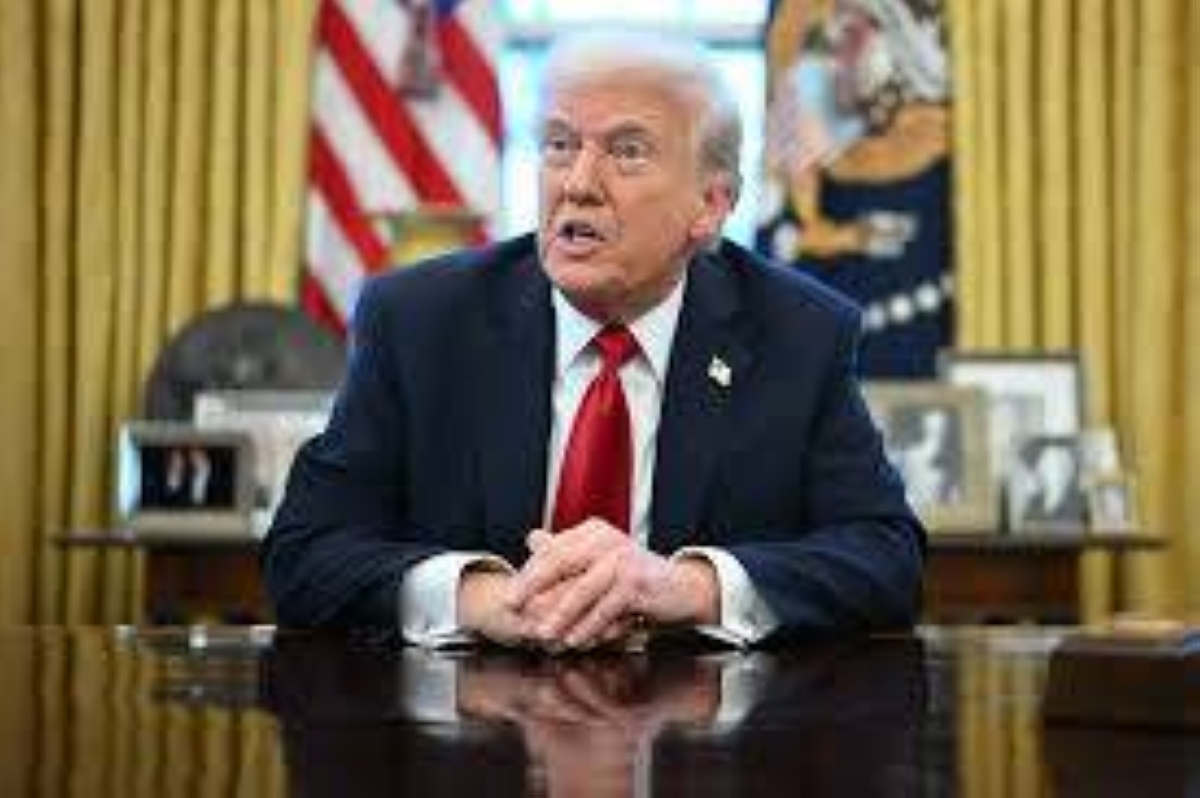
وقال ترمب في تصريحات صحفية: «الصين تحتكر بذكاء مغناطيسات المعادن النادرة، وأتوقع أن تستغرق الولايات المتحدة نحو عام لتأمين مصادر بديلة لها». وفق ما نقلت شبكة «سي إن إن».
ورجح ترمب زيارة الصين في وقت ما من العام الحالي، مشيرا إلى أن نظيره الصيني شي جين بينج دعاه إلى بكين، واصفا العلاقات بين البلدين بأنها مهمة للغاية.
وكانت وزارة التجارة الصينية قد أعلنت في وقت سابق من الشهر الجاري، أن الحكومة ستعلق الرسوم الجمركية الإضافية على السلع الأمريكية لمدة 90 يوما إضافية، بعدما وقّع الرئيس الأمريكي دونالد ترمب أمرا تنفيذيا يمدد هدنة الرسوم.
وجاء في بيان الوزارة: الصين ستبقي على رسومها الجمركية على السلع الأمريكية عند 10%، وستتخذ إجراءات لمعالجة الحواجز غير الجمركية التي تواجه المنتجات الأمريكية.
وقال المتحدث باسم وزارة الخارجية الصينية لين جيان في بيان: «نأمل أن تعمل الولايات المتحدة مع الصين لمتابعة التوافق المهم الذي تم التوصل إليه خلال اتصال هاتفي بين الرئيسين، وأن تسعى لنتائج إيجابية على أساس المساواة والاحترام والمنفعة المتبادلة».
وتسعى القوتان الاقتصاديتان للتوصل إلى اتفاق لخفض التوترات التجارية، بعدما فرض الرئيس الأمريكي دونالد ترمب رسوما جمركية باهظة على عشرات البلدان.
وتوصل الطرفان إلى هدنة مدتها 90 يوما في مايو الماضي، واتفقا الشهر الماضي على إجراء مزيد من المحادثات لتمديدها لما بعد مهلة 12 أغسطس الجاري.
وحدد الاتفاق الرسوم الجمركية الجديدة على المنتجات الصينية عند 30%، بينما تبلغ نسبة الرسوم التي فرضتها بكين على المنتجات الأمريكية 10%.
وبدأ تطبيق الرسوم الجمركية الأعلى على العشرات من شركاء واشنطن التجاريين، بما في ذلك رسوم نسبتها 35% على كندا، اعتبارا من الخميس، في وقت يسعى ترمب لإعادة صياغة التجارة العالمية لتصب في مصلحة الاقتصاد الأمريكي.
وأظهرت بيانات رسمية في بكين، أخيرا، أن صادرات الصين إلى الولايات المتحدة انخفضت بنسبة 6.1% بين يونيو ويوليو الماضيين، بعد أن أحيت الجولة الأخيرة من المحادثات بين البلدين الشهر الماضي الآمال بتوصلهما إلى اتفاق تجاري شامل.
ترمب: سنفرض 200% رسوماً جمركية على الصين بسبب نقص المعادن النادرة
25 أغسطس 2025 - 22:04
|
آخر تحديث 25 أغسطس 2025 - 22:04


تابع قناة عكاظ على الواتساب
«عكاظ» (واشنطن)
President Donald Trump threatened to impose tariffs of up to 200% on China if the latter does not supply rare earth metal magnets to the United States.
Trump stated in press remarks: "China cleverly monopolizes rare earth magnets, and I expect the United States to take about a year to secure alternative sources." This was reported by CNN.
Trump suggested that he might visit China sometime this year, noting that his Chinese counterpart Xi Jinping invited him to Beijing, describing the relations between the two countries as extremely important.
The Chinese Ministry of Commerce announced earlier this month that the government would suspend additional tariffs on American goods for an additional 90 days, after President Donald Trump signed an executive order extending the tariff truce.
The ministry's statement said: China will keep its tariffs on American goods at 10% and will take measures to address the non-tariff barriers facing American products.
Chinese Foreign Ministry spokesman Lin Jian stated in a statement: "We hope that the United States will work with China to follow up on the important consensus reached during the phone call between the two presidents and seek positive outcomes based on equality, respect, and mutual benefit."
The two economic powers are seeking to reach an agreement to reduce trade tensions, after President Donald Trump imposed hefty tariffs on dozens of countries.
The two sides reached a 90-day truce last May and agreed last month to hold further talks to extend it beyond the August 12 deadline.
The agreement set the new tariffs on Chinese products at 30%, while the tariffs imposed by Beijing on American products stand at 10%.
The higher tariffs began to take effect on dozens of Washington's trading partners, including a 35% tariff on Canada, starting Thursday, as Trump seeks to reshape global trade to benefit the American economy.
Recent official data from Beijing showed that China's exports to the United States fell by 6.1% between June and July, after the latest round of talks between the two countries last month revived hopes for a comprehensive trade agreement.
Trump stated in press remarks: "China cleverly monopolizes rare earth magnets, and I expect the United States to take about a year to secure alternative sources." This was reported by CNN.
Trump suggested that he might visit China sometime this year, noting that his Chinese counterpart Xi Jinping invited him to Beijing, describing the relations between the two countries as extremely important.
The Chinese Ministry of Commerce announced earlier this month that the government would suspend additional tariffs on American goods for an additional 90 days, after President Donald Trump signed an executive order extending the tariff truce.
The ministry's statement said: China will keep its tariffs on American goods at 10% and will take measures to address the non-tariff barriers facing American products.
Chinese Foreign Ministry spokesman Lin Jian stated in a statement: "We hope that the United States will work with China to follow up on the important consensus reached during the phone call between the two presidents and seek positive outcomes based on equality, respect, and mutual benefit."
The two economic powers are seeking to reach an agreement to reduce trade tensions, after President Donald Trump imposed hefty tariffs on dozens of countries.
The two sides reached a 90-day truce last May and agreed last month to hold further talks to extend it beyond the August 12 deadline.
The agreement set the new tariffs on Chinese products at 30%, while the tariffs imposed by Beijing on American products stand at 10%.
The higher tariffs began to take effect on dozens of Washington's trading partners, including a 35% tariff on Canada, starting Thursday, as Trump seeks to reshape global trade to benefit the American economy.
Recent official data from Beijing showed that China's exports to the United States fell by 6.1% between June and July, after the latest round of talks between the two countries last month revived hopes for a comprehensive trade agreement.


