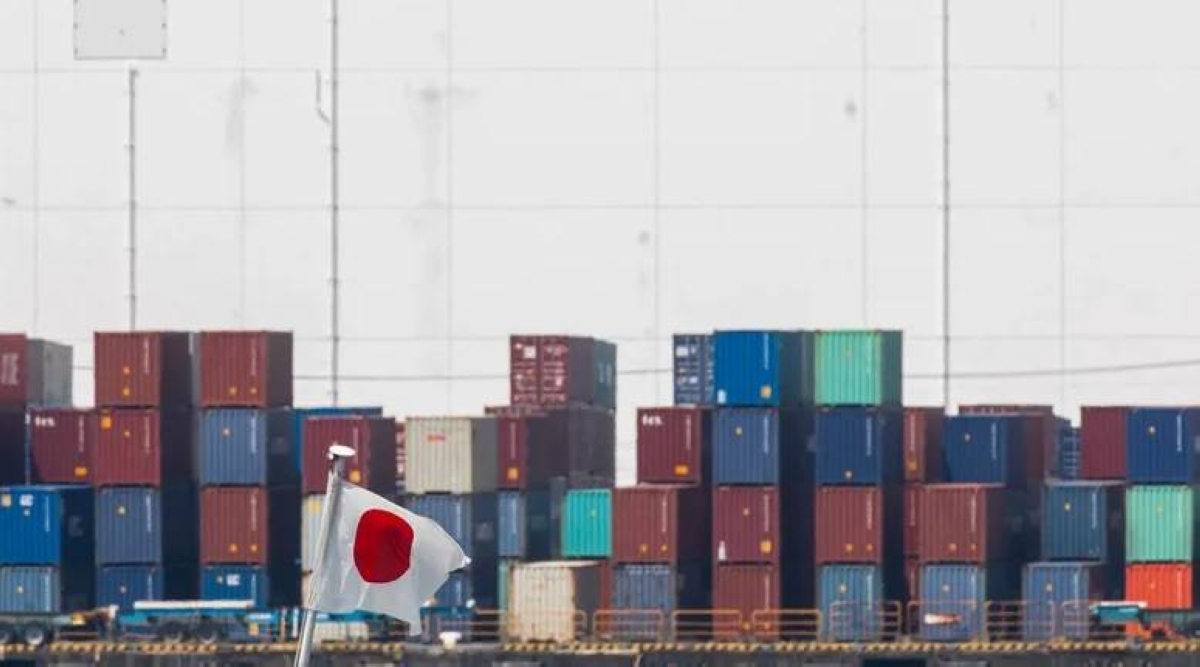
أظهرت بيانات حكومية اليوم، أن صادرات اليابان سجلت أكبر انخفاض شهري في نحو أربع سنوات في يوليو، مع تزايد تأثير الرسوم الجمركية الأمريكية، مما أثار مخاوف بشأن آفاق الاقتصاد المعتمد على التصدير.
وانخفض إجمالي صادرات رابع أكبر اقتصاد في العالم 2.6 % على أساس سنوي في يوليو من حيث القيمة، في أكبر انخفاض شهري منذ فبراير 2021، عندما هبطت الصادرات 4.5 %.
وكان الانخفاض أكبر من متوسط توقعات السوق لتراجع بنسبة 2.1 %، ويمثل هبوطًا للشهر الثالث على التوالي بعد انخفاض 0.5 % في يونيو.
وقال كبير خبراء الاقتصاد في معهد نورينتشوكين للأبحاث تاكيشي مينامي: إنه بالرغم من تراجع قيمة الصادرات، ظلت أحجام الشحنات مستقرة حتى الآن، إذ تجنب المصدرون اليابانيون الرفع الكبير للأسعار.
وأضاف «لكن في نهاية المطاف سيضطرون إلى نقل التكاليف إلى المستهلكين الأمريكيين، وهو ما سيعوق المبيعات بشكل أكبر في الأشهر القادمة».
وانخفضت الصادرات إلى الولايات المتحدة في يوليو 10.1 % عنها قبل عام، وتراجعت صادرات السيارات 28.4 % وأجزاء السيارات 17.4 %.
ومع ذلك، انخفضت صادرات السيارات 3.2 % فقط من حيث الحجم، مما يشير إلى أن تخفيضات الأسعار التي أجرتها شركات صناعة السيارات اليابانية وجهودها الرامية لاستيعاب الرسوم الجمركية الإضافية كانت سببًا في حماية أحجام الشحنات.
وفرضت الولايات المتحدة رسومًا جمركية 25 % على السيارات وقطع غيارها في أبريل نيسان، وهددت بفرض رسوم مماثلة على معظم السلع اليابانية الأخرى، ثم أبرمت اتفاقية تجارية في 23 يوليو تموز خفضت الرسوم الجمركية إلى 15 % مقابل حزمة استثمارية يابانية بقيمة 550 مليار دولار مخصصة للولايات المتحدة.
ولا يزال معدل الرسوم الجمركية المتفق عليه على السيارات، أكبر قطاع تصدير في اليابان، أعلى بكثير من المعدل الأصلي البالغ 2.5 %، مما يفرض ضغوطًا على شركات صناعة السيارات الكبرى وموردي قطع الغيار.
Government data released today showed that Japan's exports recorded the largest monthly decline in nearly four years in July, with the increasing impact of U.S. tariffs raising concerns about the prospects of the export-dependent economy.
The total exports of the world's fourth-largest economy fell by 2.6% year-on-year in July in terms of value, marking the largest monthly decline since February 2021, when exports dropped by 4.5%.
The decline was larger than the market's average forecast of a 2.1% decrease and represents a drop for the third consecutive month following a 0.5% decline in June.
According to Takeshi Minami, chief economist at the Norinchukin Research Institute, despite the decline in the value of exports, shipment volumes have remained stable so far, as Japanese exporters have avoided significant price increases.
He added, "But ultimately, they will have to pass on the costs to American consumers, which will further hinder sales in the coming months."
Exports to the United States fell by 10.1% in July compared to a year earlier, with automobile exports down 28.4% and auto parts down 17.4%.
However, automobile exports only decreased by 3.2% in terms of volume, indicating that price cuts made by Japanese automakers and their efforts to absorb the additional tariffs have helped protect shipment volumes.
The United States imposed a 25% tariff on cars and auto parts in April and threatened to impose similar tariffs on most other Japanese goods. A trade agreement was then reached on July 23 that reduced tariffs to 15% in exchange for a $550 billion Japanese investment package designated for the United States.
The agreed-upon tariff rate on cars, Japan's largest export sector, remains significantly higher than the original rate of 2.5%, putting pressure on major automakers and parts suppliers.