


أعلن الرئيس الأمريكي دونالد ترمب، اليوم، أنه سيعاقب روسيا برسوم جمركية إذا لم يتم التوصل إلى اتفاق لإنهاء الحرب في أوكرانيا في غضون 50 يوماً.
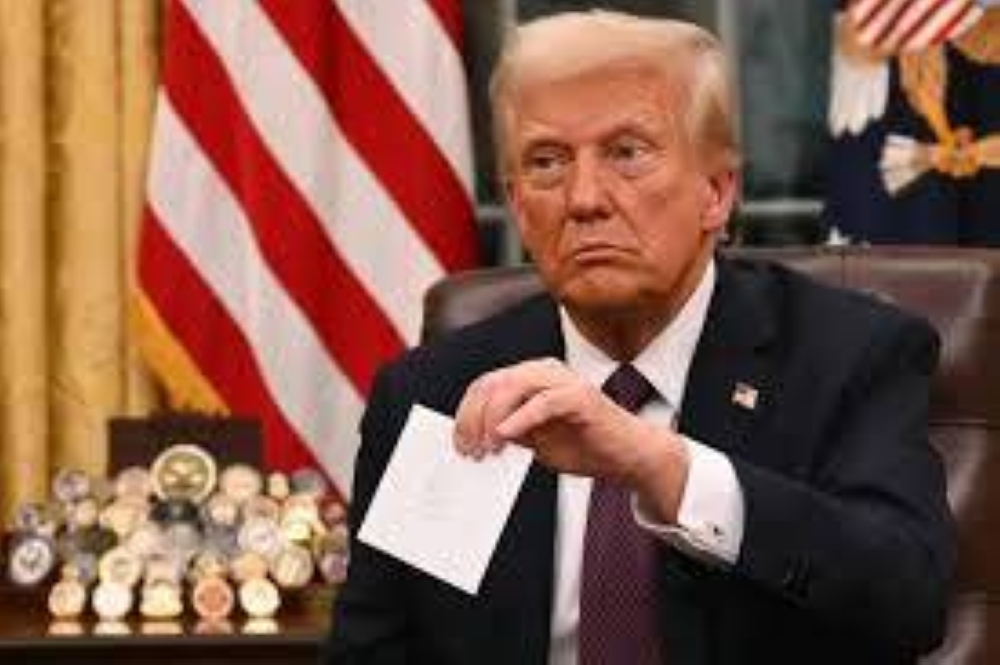
وجاء إعلان ترمب خلال اجتماع في المكتب البيضاوي مع الأمين العام لحلف شمال الأطلسي (الناتو) مارك روته.
وقال ترمب: «سنقوم بفرض رسوم جمركية مرتفعة للغاية إذا لم يكن لدينا اتفاق».
وكان الرئيس ترمب، قد أعلن أخيراً، في منشور عبر منصة «تروث سوشيال»، أن السلع الواردة من الاتحاد الأوروبي والمكسيك ستواجه رسوماً جمركية أمريكية بنسبة 30% اعتباراً من أول أغسطس القادم.
واتخذ ترمب منذ توليه منصبه في 20 يناير الماضي قرارات بشأن الرسوم الجمركية صدمت الأسواق المالية وأثارت موجة من الضبابية في الاقتصاد العالمي.
وأول فبراير الماضي فرض ترمب رسوماً جمركية بنسبة 25% على الواردات المكسيكية ومعظم الواردات الكندية، و10% على السلع الواردة من الصين، التي طالبها بمنع تدفق مادة الفنتانيل الأفيونية الصناعية والهجرة غير المشروعة إلى الولايات المتحدة.
وفي الثالث من فبراير، علّق ترمب فرض الرسوم الجمركية التي هدّد بفرضها على المكسيك وكندا، ووافق على تأجيل تنفيذها 30 يوماً مقابل تخفيف إجراءات إنفاذ قوانين تتعلق بالحدود ومكافحة الجريمة، ولم تتوصل أمريكا إلى اتفاق مماثل مع الصين.
وفي السابع من فبراير، أرجأ ترمب فرض الرسوم الجمركية على الواردات منخفضة التكلفة من الصين حتى تتمكن وزارة التجارة من تأكيد سريان الإجراءات والأنظمة اللازمة للتعامل معها وجمع الرسوم الجمركية.
وفي 10 فبراير، رفع ترمب الرسوم الجمركية على الصلب والألمنيوم إلى 25%، وأبقى عليها ثابتة «دون استثناءات أو إعفاءات».
وفي الثالث من مارس، قال ترمب إن رسوماً جمركية بنسبة 25% على البضائع من المكسيك وكندا ستدخل حيز التنفيذ اعتباراً من الرابع من مارس، وضاعف الرسوم المرتبطة بالفنتانيل على جميع الواردات الصينية لتصل إلى 20%، وفي الخامس من مارس وافق ترمب على تأجيل فرض الرسوم الجمركية لمدة شهر على بعض المركبات المصنّعة في كندا والمكسيك، بعد التواصل هاتفياً مع الرؤساء التنفيذيين لشركات عالمية.
إذا لم يتوصل لاتفاق لإنهاء الحرب في أوكرانيا خلال 50 يوماً
ترمب: سنفرض رسوماً جمركية على روسيا
14 يوليو 2025 - 20:28
|
آخر تحديث 14 يوليو 2025 - 20:28


تابع قناة عكاظ على الواتساب
«عكاظ» (واشنطن)
U.S. President Donald Trump announced today that he will impose tariffs on Russia if an agreement to end the war in Ukraine is not reached within 50 days.
The announcement came during a meeting in the Oval Office with NATO Secretary General Mark Rutte.
Trump said, "We will impose very high tariffs if we do not have an agreement."
Recently, President Trump announced in a post on the "Truth Social" platform that goods coming from the European Union and Mexico will face a 30% U.S. tariff starting August 1.
Since taking office on January 20, Trump has made tariff decisions that shocked financial markets and created a wave of uncertainty in the global economy.
On February 1, Trump imposed a 25% tariff on Mexican imports and most Canadian imports, and a 10% tariff on goods coming from China, which he demanded to stop the flow of the synthetic opioid fentanyl and illegal immigration to the United States.
On February 3, Trump suspended the tariffs he threatened to impose on Mexico and Canada, agreeing to delay their implementation for 30 days in exchange for easing enforcement measures related to border control and crime, and the U.S. did not reach a similar agreement with China.
On February 7, Trump postponed the tariffs on low-cost imports from China until the Department of Commerce could confirm the necessary procedures and regulations to handle them and collect the tariffs.
On February 10, Trump raised tariffs on steel and aluminum to 25%, keeping them fixed "without exceptions or exemptions."
On March 3, Trump stated that a 25% tariff on goods from Mexico and Canada would take effect starting March 4, and he doubled the tariffs related to fentanyl on all Chinese imports to 20%. On March 5, Trump agreed to delay the imposition of tariffs for a month on some vehicles manufactured in Canada and Mexico after speaking by phone with the CEOs of global companies.
The announcement came during a meeting in the Oval Office with NATO Secretary General Mark Rutte.
Trump said, "We will impose very high tariffs if we do not have an agreement."
Recently, President Trump announced in a post on the "Truth Social" platform that goods coming from the European Union and Mexico will face a 30% U.S. tariff starting August 1.
Since taking office on January 20, Trump has made tariff decisions that shocked financial markets and created a wave of uncertainty in the global economy.
On February 1, Trump imposed a 25% tariff on Mexican imports and most Canadian imports, and a 10% tariff on goods coming from China, which he demanded to stop the flow of the synthetic opioid fentanyl and illegal immigration to the United States.
On February 3, Trump suspended the tariffs he threatened to impose on Mexico and Canada, agreeing to delay their implementation for 30 days in exchange for easing enforcement measures related to border control and crime, and the U.S. did not reach a similar agreement with China.
On February 7, Trump postponed the tariffs on low-cost imports from China until the Department of Commerce could confirm the necessary procedures and regulations to handle them and collect the tariffs.
On February 10, Trump raised tariffs on steel and aluminum to 25%, keeping them fixed "without exceptions or exemptions."
On March 3, Trump stated that a 25% tariff on goods from Mexico and Canada would take effect starting March 4, and he doubled the tariffs related to fentanyl on all Chinese imports to 20%. On March 5, Trump agreed to delay the imposition of tariffs for a month on some vehicles manufactured in Canada and Mexico after speaking by phone with the CEOs of global companies.


