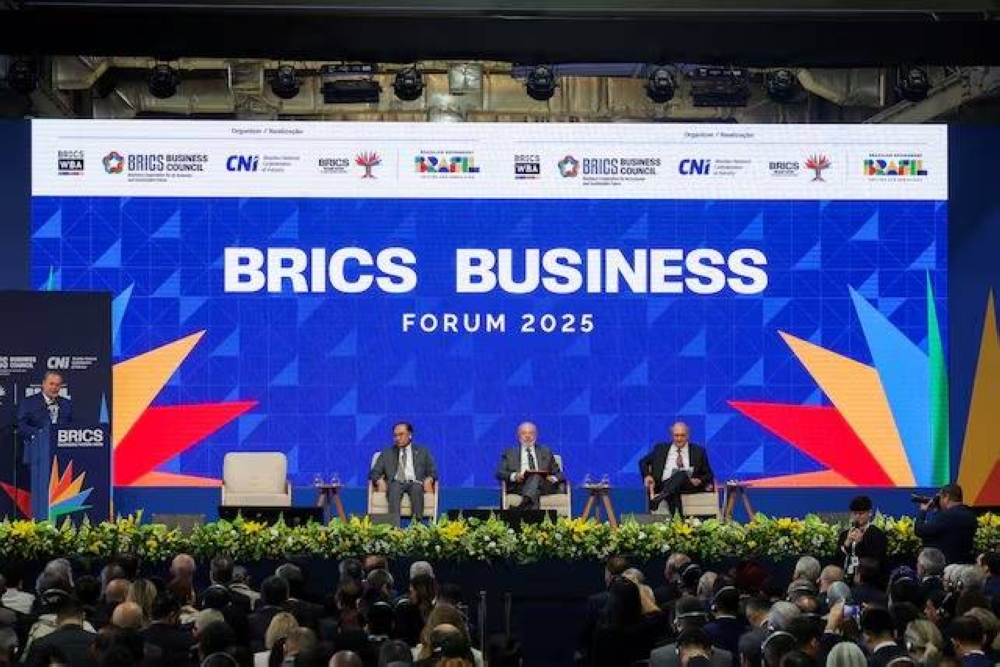
دعا وزراء مالية دول مجموعة «البريكس» إلى إصلاحات جذرية في صندوق النقد الدولي، تشمل إعادة توزيع حقوق التصويت وإنهاء التقليد الذي يقضي بتولي الأوروبيين منصب المدير العام، خلال اجتماع عقد في ريو دي جانيرو، أمس (السبت).
وفي بيان مشترك، أعربت الدول الأعضاء عن اتفاقها الأول على موقف موحد بشأن هذه الإصلاحات، مؤكدة دعمها لمقترح مشترك ستتم مناقشته خلال اجتماع مراجعة صندوق النقد الدولي المقرر ديسمبر القادم.
وأشار البيان إلى ضرورة أن تعكس إعادة توزيع الحصص الاقتصادية الأوزان النسبية للدول في الاقتصاد العالمي، مع حماية حصص الدول الأفقر. كما دعا الوزراء إلى اعتماد صيغة جديدة تراعي الناتج الاقتصادي والقدرة الشرائية، لتعزيز تمثيل الدول المنخفضة الدخل، وفقا لما أفاد به مسؤول برازيلي شارك في المفاوضات.
جاءت الاجتماعات الوزارية قبيل قمة قادة البريكس في ريو، إذ توسعت المجموعة العام الماضي لتشمل، إلى جانب البرازيل وروسيا والهند والصين وجنوب أفريقيا، كلا من مصر وإثيوبيا وإندونيسيا وإيران والسعودية والإمارات العربية المتحدة.
هذا التوسع عزز النفوذ الدبلوماسي للمجموعة التي تسعى لتمثيل مصالح دول الجنوب العالمي ودفع إصلاحات في المؤسسات التي تهيمن عليها القوى الغربية التقليدية.
وأكد الوزراء في بيانهم ضرورة تعزيز التمثيل الإقليمي في إدارة صندوق النقد الدولي، وتجاوز اتفاق ما بعد الحرب العالمية الثانية الذي وصفوه بأنه غير ملائم للنظام العالمي الحالي، مع الالتزام بمعايير اختيار قائمة على الكفاءة.
كما ناقش الوزراء إنشاء آلية ضمان جديدة تدعمها البنك التنموي الجديد (NDB) التابع للبريكس، بهدف خفض تكاليف التمويل وتعزيز الاستثمار في الاقتصادات النامية.
The finance ministers of the BRICS countries called for radical reforms in the International Monetary Fund, including a redistribution of voting rights and the end of the tradition of Europeans holding the position of managing director, during a meeting held in Rio de Janeiro yesterday (Saturday).
In a joint statement, the member countries expressed their initial agreement on a unified position regarding these reforms, affirming their support for a joint proposal that will be discussed during the upcoming IMF review meeting scheduled for next December.
The statement highlighted the necessity for the redistribution of economic shares to reflect the relative weights of countries in the global economy, while protecting the shares of poorer nations. The ministers also called for the adoption of a new formula that takes into account economic output and purchasing power, to enhance the representation of low-income countries, according to a Brazilian official who participated in the negotiations.
The ministerial meetings came ahead of the BRICS leaders' summit in Rio, as the group expanded last year to include, in addition to Brazil, Russia, India, China, and South Africa, Egypt, Ethiopia, Indonesia, Iran, Saudi Arabia, and the United Arab Emirates.
This expansion has strengthened the diplomatic influence of the group, which seeks to represent the interests of the Global South and push for reforms in institutions dominated by traditional Western powers.
The ministers emphasized in their statement the need to enhance regional representation in the management of the International Monetary Fund, moving beyond the post-World War II agreement, which they described as unsuitable for the current global system, while committing to standards of selection based on efficiency.
The ministers also discussed the establishment of a new guarantee mechanism supported by the New Development Bank (NDB) affiliated with BRICS, aimed at reducing financing costs and boosting investment in developing economies.