


يلتقي المستشار الألماني فريدريش ميرتس الذي تولى منصبه في السادس من مايو الجاري، للمرة الأولى الخميس القادم الرئيس الأمريكي دونالد ترمب، الذي يستقبله في البيت الابيض، وفق ما أعلن المتحدث باسم الحكومة الألمانية شتيفان كورنيليوس اليوم.
وأوضح المتحدث أن هذا اللقاء سيتم في إطار أول زيارة رسمية يقوم بها ميرتس للولايات المتحدة.
وأضاف: «ميرتس وترمب سيبحثان خصوصاً قضية التجارة والوضع في الشرق الأوسط وحرب روسيا و أوكرانيا».
من جهة أخرى أعربت رابطة صناعة الصلب الألمانية عن شعورها بالقلق حيال إعلان الرئيس الأمريكي دونالد ترمب عزمه رفع الرسوم الجمركية على واردات الصلب إلى الولايات المتحدة من 25% حالياً إلى 50% من قيمة البضائع.
وصرّحت المديرة التنفيذية الرئيسية للرابطة كيرستين ماريا ريبل، بقولها: «إن مضاعفة الرسوم الجمركية الأمريكية على واردات الصلب التي أعلن عنها الرئيس ترمب تمثل تصعيداً جديداً في النزاع التجاري عبر الأطلسي».
وأضافت كيرستين ريبل: «فرض رسوم بنسبة 50% على صادرات الصلب يمثل عبئاً هائلاً على قطاعنا، إذ سيزيد من الضغط على الوضع الاقتصادي الذي يعاني أصلاً من أزمة، وسيؤثر على صناعة الصلب لدينا بطرق متعددة».
وأشارت إلى أن هذه الإجراءات ستؤثر بشكل أقوى على صادراتنا المباشرة إلى السوق الأمريكية من ناحية، لكنها رأت من ناحية أخرى أن التأثير غير المباشر ينطوي على إشكالية أكبر. وأفادت أن الدول التقليدية المورّدة قد تفقد إمكانية الوصول إلى السوق الأمريكية بسبب هذه الرسوم الجمركية الباهظة، ما سيدفعها إلى تحويل صادراتها من الصلب إلى السوق الأوروبية، الأمر الذي سيزيد من ضغوط الاستيراد الكبيرة أصلاً على أوروبا.
ماذا يبحث مستشار ألمانيا في أول لقاءاته مع ترمب؟
31 مايو 2025 - 20:02
|
آخر تحديث 31 مايو 2025 - 20:02
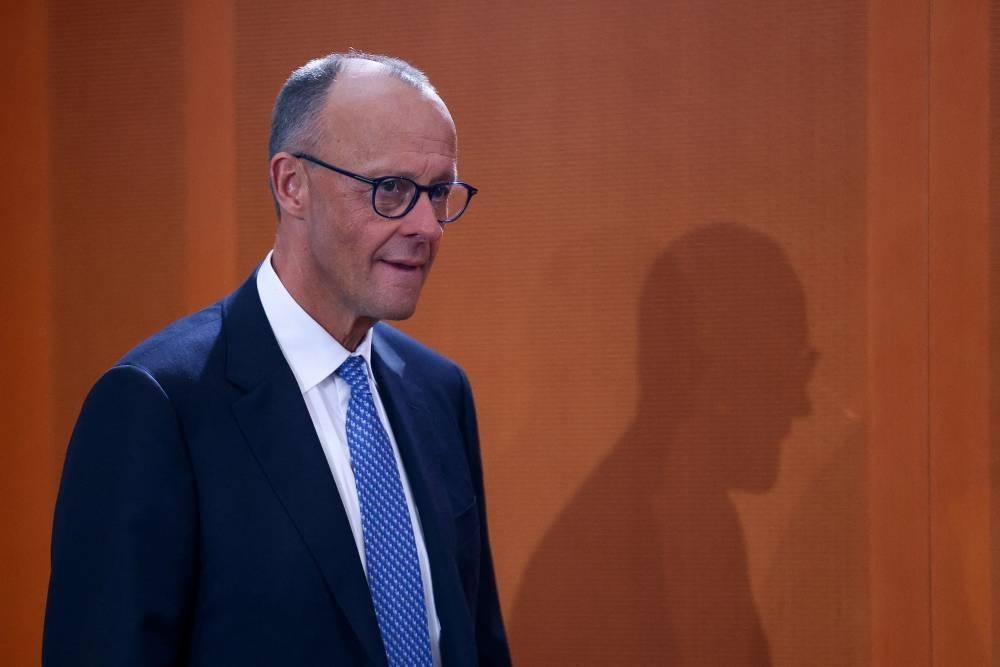
فريدريش ميرتس


تابع قناة عكاظ على الواتساب
«عكاظ» (برلين)
The German Chancellor Friedrich Merz, who took office on May 6, will meet for the first time next Thursday with U.S. President Donald Trump, who will host him at the White House, according to a statement today by German government spokesman Stefan Cornelius.
The spokesman clarified that this meeting will take place as part of Merz's first official visit to the United States.
He added, "Merz and Trump will particularly discuss trade issues, the situation in the Middle East, and the war between Russia and Ukraine."
On another note, the German Steel Industry Association expressed its concern regarding President Donald Trump's announcement of his intention to raise tariffs on steel imports to the United States from the current 25% to 50% of the value of goods.
The association's chief executive, Kirsten Maria Riebel, stated, "The doubling of U.S. tariffs on steel imports announced by President Trump represents a new escalation in the transatlantic trade dispute."
Kirsten Riebel added, "Imposing a 50% tariff on steel exports represents a huge burden on our sector, as it will increase the pressure on an already struggling economic situation and will affect our steel industry in multiple ways."
She pointed out that these measures will have a stronger impact on our direct exports to the U.S. market on one hand, but on the other hand, she noted that the indirect impact poses a greater problem. She reported that traditional supplying countries may lose access to the U.S. market due to these hefty tariffs, which will drive them to redirect their steel exports to the European market, thereby increasing the already significant import pressures on Europe.
The spokesman clarified that this meeting will take place as part of Merz's first official visit to the United States.
He added, "Merz and Trump will particularly discuss trade issues, the situation in the Middle East, and the war between Russia and Ukraine."
On another note, the German Steel Industry Association expressed its concern regarding President Donald Trump's announcement of his intention to raise tariffs on steel imports to the United States from the current 25% to 50% of the value of goods.
The association's chief executive, Kirsten Maria Riebel, stated, "The doubling of U.S. tariffs on steel imports announced by President Trump represents a new escalation in the transatlantic trade dispute."
Kirsten Riebel added, "Imposing a 50% tariff on steel exports represents a huge burden on our sector, as it will increase the pressure on an already struggling economic situation and will affect our steel industry in multiple ways."
She pointed out that these measures will have a stronger impact on our direct exports to the U.S. market on one hand, but on the other hand, she noted that the indirect impact poses a greater problem. She reported that traditional supplying countries may lose access to the U.S. market due to these hefty tariffs, which will drive them to redirect their steel exports to the European market, thereby increasing the already significant import pressures on Europe.


