أعلنت الحكومة المصرية، الجمعة، عن خطط لإصدار رخص جديدة لإنتاج خام البليت، المادة الخام الأساسية في صناعة الحديد، وذلك ضمن إستراتيجية طموحة لتقليص الاعتماد على الواردات، وتلبية الطلب المحلي المتزايد، وتحويل مصر إلى مركز إقليمي لصناعة وتجارة الحديد.
خام البليت، وهو منتج معدني نصف نهائي يُستخدم في تصنيع حديد التسليح، يُعتبر ركيزة أساسية لصناعة البناء والتشييد، التي تشهد نمواً كبيراً في مصر بفضل المشروعات القومية مثل العاصمة الإدارية الجديدة وتطوير البنية التحتية.
يتم إنتاج البليت عبر صهر الحديد الخام أو الخردة، ثم تشكيله في قوالب على هيئة قضبان معدنية تُستخدم لاحقاً في مصانع الدرفلة لإنتاج منتجات نهائية.
ومع ارتفاع الطلب المحلي، تواجه مصر تحديات في تأمين إمدادات كافية من البليت، مما دفع الحكومة لاتخاذ خطوات لتعزيز الإنتاج المحلي.
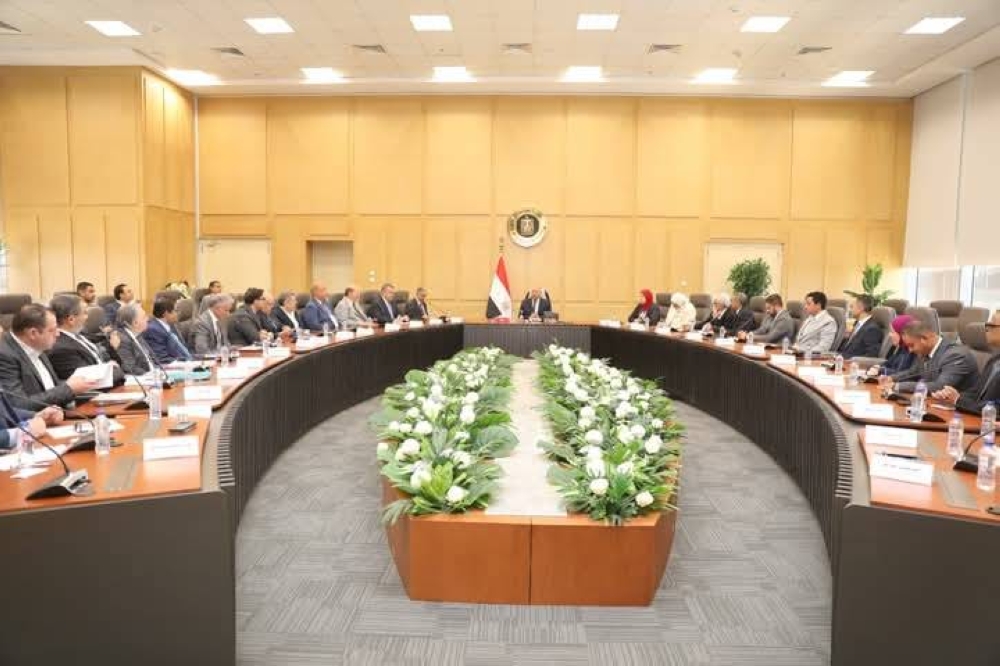
وأوضح نائب رئيس الوزراء للتنمية الصناعية ووزير الصناعة والنقل المهندس كامل الوزير، خلال اجتماع مع مصنعي ومنتجي الحديد، أن الرخص الجديدة ستُطرح بمواصفات فنية دقيقة تلبي احتياجات السوق المحلي، بما يشمل إنتاج حديد قابل للحام، مقاوم للزلازل، ومناسب للبيئات البحرية والمياه المالحة، إلى جانب استخدامات هندسية متقدمة.
وأشار إلى أن هذه الخطوة تأتي ضمن خطة مرحلية لتوزيع الفائض من البليت المنتج محلياً على مصانع الدرفلة وفقاً للطاقة الإنتاجية لكل مصنع، وذلك لحين بدء تشغيل المصانع الجديدة.
وتسعى مصر من خلال هذه المبادرة إلى تحقيق الاكتفاء الذاتي في إنتاج البليت، مما يساهم في استقرار أسعار الحديد في السوق المحلي، الذي تأثر في السنوات الأخيرة بتقلبات أسعار الواردات وتكاليف الشحن العالمية.
كما تهدف الحكومة إلى تعزيز مكانة مصر كمركز إقليمي لصناعة الحديد، مستفيدة من موقعها الجغرافي الإستراتيجي، وتوافر المواد الخام، والبنية التحتية المتطورة، والاتفاقيات التجارية مع دول المنطقة، إلى جانب وجود سوق محلية كبيرة وقوى عاملة ماهرة.
وجدد نائب رئيس مجلس الوزراء للتنمية الصناعية وزير الصناعة والنقل التأكيد على أن الوزارة ملتزمة بتوفير مناخ داعم ومحفز للاستثمار الصناعي، ورفع كفاءة منظومة الإنتاج، وإزالة العقبات أمام المصنعين، بما يسهم في تحقيق التنمية الاقتصادية المستدامة، ويدفع بالصناعة الوطنية إلى آفاق أوسع من التقدم تنفيذاً لتوجيهات رئيس الجمهورية عبد الفتاح السيسي بتحويل مصر إلى مركز صناعى إقليمي.
وفقاً لتقارير حديثة، فإن مصر تستورد حوالى 50% من احتياجاتها من خام البليت، مما يكبد الاقتصاد تكاليف باهظة تصل إلى مليارات الجنيهات سنوياً، وتشير التقديرات إلى أن زيادة الإنتاج المحلي قد توفر ما يصل إلى 30% من هذه التكاليف، مع تعزيز الصادرات إلى دول الشرق الأوسط وإفريقيا.
كما أفادت مصادر صناعية أن هذه الرخص ستُطرح عبر مناقصات علنية، مع أولوية للشركات التي تلتزم باستخدام تكنولوجيا صديقة للبيئة في الإنتاج.
ومن المتوقع أن تسهم هذه الخطوة في خفض أسعار الحديد في السوق المحلية، مما يدعم قطاع البناء والتشييد، ويعزز من تنافسية المنتجات المصرية في الأسواق الإقليمية.
كما ستعمل على خلق فرص عمل جديدة، خاصة في المناطق الصناعية مثل السويس والعين السخنة، حيث تتركز مصانع الحديد.
وتُعد هذه المبادرة جزءاً من رؤية مصر 2030 لتعزيز الصناعة الوطنية وتقليل الاعتماد على الواردات.
ومع استمرار الحكومة في تطوير البنية التحتية ودعم القطاع الصناعي، يبدو أن مصر في طريقها لتصبح لاعباً رئيسياً في سوق الحديد الإقليمي.
The Egyptian government announced on Friday plans to issue new licenses for the production of billet, the primary raw material in the iron industry, as part of an ambitious strategy to reduce reliance on imports, meet the increasing local demand, and transform Egypt into a regional hub for iron manufacturing and trade.
Billet, a semi-finished metal product used in the manufacture of rebar, is considered a fundamental pillar of the construction industry, which is experiencing significant growth in Egypt thanks to national projects such as the New Administrative Capital and infrastructure development.
Billet is produced by melting raw iron or scrap, then shaping it into molds in the form of metal bars that are later used in rolling mills to produce finished products.
With rising local demand, Egypt faces challenges in securing sufficient supplies of billet, prompting the government to take steps to boost local production.
The Deputy Prime Minister for Industrial Development and Minister of Industry and Transport, Engineer Kamel El-Wazir, explained during a meeting with iron manufacturers and producers that the new licenses will be issued with precise technical specifications that meet local market needs, including the production of weldable iron, earthquake-resistant materials, and those suitable for marine environments and saline waters, alongside advanced engineering applications.
He pointed out that this step is part of a phased plan to distribute the surplus of locally produced billet to rolling mills according to each factory's production capacity, until the new factories begin operations.
Through this initiative, Egypt aims to achieve self-sufficiency in billet production, contributing to the stabilization of iron prices in the local market, which has been affected in recent years by fluctuations in import prices and global shipping costs.
The government also aims to enhance Egypt's position as a regional hub for iron manufacturing, benefiting from its strategic geographical location, the availability of raw materials, advanced infrastructure, trade agreements with countries in the region, as well as a large local market and a skilled workforce.
The Deputy Prime Minister for Industrial Development and Minister of Industry and Transport reiterated that the ministry is committed to providing a supportive and stimulating environment for industrial investment, improving the efficiency of the production system, and removing obstacles for manufacturers, contributing to sustainable economic development and advancing national industry in line with the directives of President Abdel Fattah El-Sisi to transform Egypt into a regional industrial center.
According to recent reports, Egypt imports about 50% of its billet needs, costing the economy exorbitant expenses amounting to billions of pounds annually. Estimates suggest that increasing local production could save up to 30% of these costs, while enhancing exports to countries in the Middle East and Africa.
Industrial sources have indicated that these licenses will be offered through public tenders, with priority given to companies that commit to using environmentally friendly technology in production.
This step is expected to contribute to lowering iron prices in the local market, supporting the construction sector, and enhancing the competitiveness of Egyptian products in regional markets.
It will also create new job opportunities, especially in industrial areas such as Suez and Ain Sokhna, where iron factories are concentrated.
This initiative is part of Egypt's Vision 2030 to enhance national industry and reduce reliance on imports.
As the government continues to develop infrastructure and support the industrial sector, Egypt seems to be on its way to becoming a key player in the regional iron market.