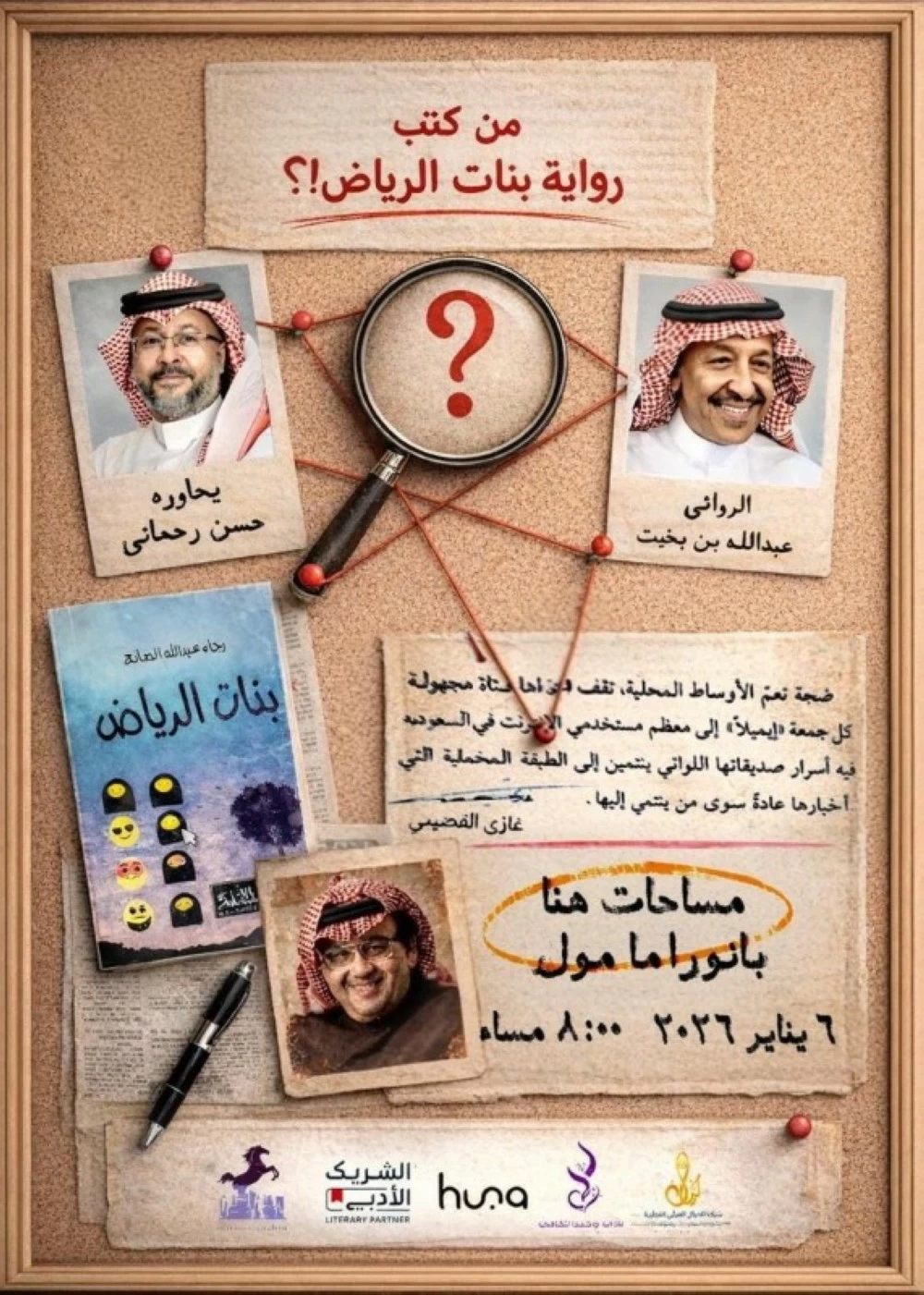
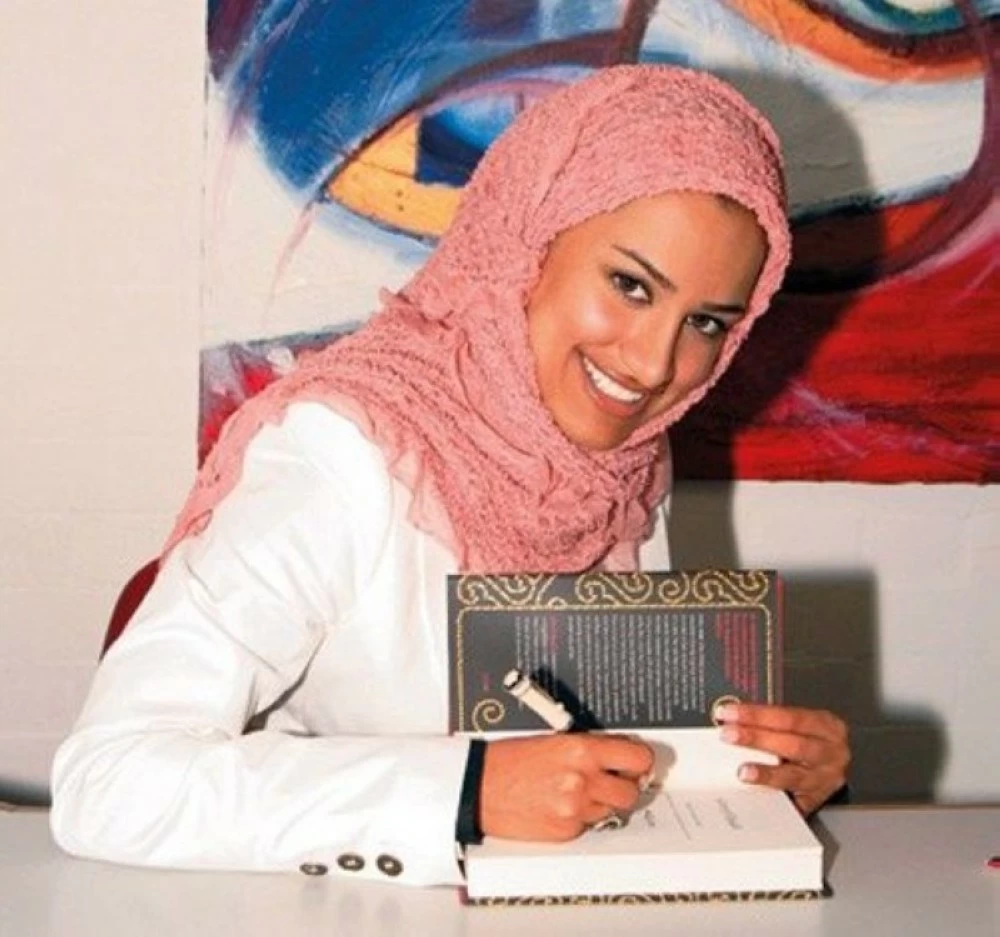
يبدو أن رواية «بنات الرياض» للكاتبة الدكتورة رجاء الصانع ستفتح مجدداً ملف نسبة أعمال أدبية لغير كاتبيها، فالرواية التي مضى على نشرها أكثر من عقدين، عادت إلى الواجهة؛ بسبب ندوة مقررة مساء اليوم الثلاثاء، يتناول فيها الكاتب عبدالله بن بخيت الرواية عبر عنوان «مَنْ كتب بنات الرياض؟»، الذي رأت المؤلفة أنه ينطوي على تشكيك صريح ومضلل عن ملكيتها الفكرية لرواية منشورة ومسجلة باسمها منذ عام 2005.
وقالت الصانع في حسابها على منصة (X): «أرفض هذا الطرح جملةً وتفصيلاً، وأؤكد أن المساءلة لا تتعلق بعنوان الندوة فقط، بل بمضمون النقاش. وأي محاولة لتغيير العنوان مع الإبقاء على التشكيك في نسب الرواية تُعد التفافًا غير مقبول ولا يعفي من المسؤولية».
وأضافت: «بنات الرياض» عمل أدبي محفوظ الحقوق قانونيّاً داخل المملكة وخارجها، وأي تشكيك علني أو ترويج لروايات مغلوطة حول نسبته يُعد تعدّياً على الملكية الفكرية وإساءة معنوية، وأحتفظ بكامل حقي القانوني في اتخاذ الإجراءات اللازمة.
فيما أورد الكاتب عبدالله بن بخيت في مقالات سابقة ملاحظات على الرواية، منها أعمار البطلات، وأن النص لا يتوفَّر أبداً على روح المغامرة الشبابية، وإنما كُتب بحذر الإنسان الوقور الذي يتحسّس خطواته.. ما جعل علاقة النص بالجيل الذي تتحدث عنه الرواية علاقة واهية، فالنص يُعبِّر عن ثقافة ووجدان وذوق إنسان عاش في فترة الستينات أو السبعينات.
ويرى أن جميع الشواهد الثقافية، تنتسب لجيل السبعينيات، وكأن المؤلفة عاشت وتشبَّعت بهؤلاء الكُتَّاب، ولاحظ ابن بخيت أن إحدى البطلات تقول: «وجدت في كتابات القصيبي، والحمد الكثير من الأحداث والتلميحات السياسية التي ذكّرتها بروايات يوسف السباعي، وإحسان عبدالقدوس، التي أدمنت قراءتها في مرحلة المراهقة».
ويتساءل: أي مراهقة هذه، إن كانت البطلات في العشرينات من العمر ومتى كانت تلك المراهقة؟.. ويفترض أن تبدأ مراهقة فتاة في أول العشرين من عمرها بحسب الرواية مطلع التسعينات، في حين أن أعمال السباعي، وإحسان عبدالقدوس، اختفت قبل أن تُولد المؤلِّفة بـ20 سنة على الأقل.
ويتطلع المتابعون إلى ندوة ربما تشعل فتيل الجدل حول رواية، كُتبت في لحظة فارقة، وكتب في مقدمتها الوزير السفير الدكتور غازي القصيبي «إشادة» كانت من أسباب تداول سؤال «من كتب بنات الرياض؟».
يذكر أن سوابق كتابية أثارت ضجة في الأوساط الثقافية منها رواية «ذاكرة الجسد» لأحلام مستغانمي، التي ذهب البعض إلى أن كاتبها الفعلي الشاعر العراقي الراحل سعدي يوسف.
It seems that the novel "Girls of Riyadh" by writer Dr. Rajaa Alsanea will reopen the file on attributing literary works to individuals other than their authors. The novel, which has been published for more than two decades, has returned to the forefront due to a seminar scheduled for this evening, Tuesday, where writer Abdullah bin Bakhit will discuss the novel under the title "Who Wrote Girls of Riyadh?", a title that the author believes contains a clear and misleading doubt about her intellectual ownership of a published and registered novel in her name since 2005.
Alsanea stated on her account on the (X) platform: "I completely reject this proposition and affirm that the accountability is not only related to the title of the seminar but also to the content of the discussion. Any attempt to change the title while maintaining doubt about the authorship of the novel is considered an unacceptable circumvention and does not absolve one of responsibility."
She added: "Girls of Riyadh" is a legally protected literary work both inside and outside the Kingdom, and any public doubt or promotion of false narratives regarding its authorship is considered an infringement on intellectual property and a moral offense, and I reserve my full legal right to take the necessary actions."
Meanwhile, writer Abdullah bin Bakhit has previously noted in his articles observations about the novel, including the ages of the heroines, and that the text never possesses the spirit of youthful adventure but is written with the caution of a dignified person who is careful with their steps... which made the relationship between the text and the generation the novel speaks about a weak one, as the text expresses the culture, sentiment, and taste of a person who lived in the 1960s or 1970s.
He believes that all cultural references belong to the generation of the 1970s, as if the author lived and was saturated by those writers. Bin Bakhit noted that one of the heroines says: "I found in Al-Qusaybi's writings, and thank God, many political events and hints that reminded me of the novels of Youssef El Sebai and Ihsan Abdel Quddous, which I was addicted to reading in my adolescence."
He questions: What kind of adolescence is this, if the heroines are in their twenties, and when was that adolescence? It is assumed that a girl's adolescence begins in her early twenties according to the novel in the early 1990s, while the works of El Sebai and Ihsan Abdel Quddous disappeared at least 20 years before the author was born.
Observers are looking forward to a seminar that may ignite a debate about a novel written at a pivotal moment, with a "praise" written in its preface by Minister and Ambassador Dr. Ghazi Al-Qusaybi being one of the reasons for the question "Who wrote Girls of Riyadh?".
It is worth mentioning that previous literary controversies have stirred up buzz in cultural circles, including the novel "Memory in the Flesh" by Ahlam Mosteghanemi, where some claimed that its actual author was the late Iraqi poet Saadi Youssef.