تفتح الشاشة على صحراء شاسعة يتوسط المشهد كائن ضخم نفق وغدا شارة للموت.. ومن أقصى الشاشة يتقاطر رجال ونساء لزيارة الشيخ للتطبب أو قشط الأيام لمعرفة المستقبل.. ومن المظاهر المبثوثة من خلال ومضات مشهدية تصل بعين أو عقلية المشاهد أنه في عالم صوفي بحت، وفي بيئية غارقة في النسيان، ليس لديه أي نوع من أنواع التواصل خارج تلك القرية، وهذا العالم عالم روائي أو قصصي يُغرم به كُتّاب الرواية، وأخال أن الروائي والقاص حمور زيادة استبطن عوالمه القصصية (النوم عند قدمي الجبل) استبطن عوالم الأسطورة في المجتمع البدائي ذلك العالم الذي يضج بالأسطرة وكل عجيب ساحر.. ويبدو أن ذلك العالم الجذاب وجد فيه المخرج أمجد أبو العلا متعة إظهار تفاصيل سحر المكان والحكاية أيضاً، حكاية تفتح صفحاتها على المدهش من البدء، حكاية تعج بالصور السينمائية لدرجة أن تلك الصور كانت هي المتزعمة للبطولة..
صورة اختطفت الدهشة من تلك الرحلة الجماعية ذات الطقوس المتعددة، وكل صورة للشخصيات المنطلقة في مسيرتها تمثل مشهداً سينمائياً متفرداً بذاته.. وحين ظهرت الأم سكينة (إسلام مبارك) ثبتت وتد الحكاية، فقد جاءت لمباركة وليدها وتحنيكه من قبل الشيخ.. ومن هذه المشهدية السينمائية تفتك وعاء قصصي وأخذ في الجريان، هناك سُمي المولود باسم (مزمل) وجاءت نبوءة الشيخ أن ذلك المولود سوف يموت في العشرين من عمره.. وفي انتظار تحقق نبوءة الشيخ بدأت الكاميرا بجذب عين المشاهد، وفتحت أذنيه لالتقاط الجمل المذهلة، فقد كان الحوار (في الفيلم) مدعاة للإصغاء لكل جملة، وتقليبها في وجدانك، المشاهد تحول إلى صانع متعة لنفسه من خلال الجمل المنثورة هنا وهناك.. كل القرية تنتظر تحقق نبوءة الشيخ، ومزمل يعرف موعد موته ببلوغه العشرين، ويبدأ يستشعر باقترابه من الوقت المعلوم، وكمن يريد التأكد من الأيام يسأل أمه:
هل الأيام التي قضيتها في بطنك تحسب من عمري؟
ولأنه ابن الموت، كانت العيون منصبة على ممشاه، فأهل القرية يشاهدون ميتاً يسير على قدمين، ولأن ذاكرة الطفولة عجلة، قام أقرانه في الكتاتيب بتغطية جسد مزمل بالرماد وتكفينه، تلك الحادثة قصفت الأمل في ذاكرة مزمل، وثبتته ميتاً حياً، وبين رحى النبوءة والانتظار يهاجر الأب ولا يرد على رسائل زوجته، وهجرته محاولة لمحو وجوده في ذهنية ابنه، وهرب من رقة مشاعره التي لا تمكنه من رؤية ابنه يموت أمامه.. استشعر مزمل بأن الجميع ينتظر موته، وصارح والدته بجملة مقتضبة: ما أبغى أموت!
سليمان صديق والده (محمود السراج) كان بوابته للدخول إلى الحياة بعدما تشارك الجميع في دفنه حياً، هذا الصديق يبدأ بفتح عين مزمل (مصطفى شحاته) للحياة، وكانت العين المفتوحة متمثلة في السينما والأغاني والحكايات التي تدور خارج القرية، ولعبت الحبيبة المفترضة نعيمة (بونا خالد) على فتق ذهنية مزمل بتكذيب النبوءة، ومحاولتها لجرة إلى الحياة من خلال حبها له، وكانت الحياة تمشي وحياة مزمل مربوطة في نبوءة قيلت ذات يوم حتى إن قائلها ارتحل من القرية للحج ولم يعد، إلا أن نبوءته مقيمة في ذهنية مزمل وأمه وبقية أهل القرية، وكانت هناك وصية من إحدى السيدات لسكينة الأم بالبحث عمن يبطل تلك النبوءة.. الهرب من القدر المفترض ألغى إحساس مزمل وأمه بجمال الحياة والعيش عيشة حقة.. وانسياقي خلف أحداث القصة ليس كسلوك النقاد الذين يسردون واقع الأحداث كما جاءت في الرواية، أعلم أن هذا السلوك هو سلوك الاختصار، اختصار كل شيء هو القاعدة المستحدثة في المجتمعات الراهنة، إذ إن الاختصار هو المستهدف، ولأن الاختصار هو المقصلة الحقيقية لأي جمال..
تتبعي لأحداث الفيلم وذكر تفاصيل حكائية جاء من كون كل مشهد يمنحك المتعة السينمائية بتفاصيل بصرية، يتشارك فيه الحدث والحوار والصورة والموسيقى والممثلون، إذ إن تفاصيل وجوه الممثلين معزوفة بصرية في غاية الإلهام للحدث.
وورود الماضي المجهول داخل القرية يجعله متحركاً لإحداث نقلة مستقبلية من خلال السينما لتكون نافذة مزمل حين يزور سليمان، ويمثل غناء محمد عبدالوهاب لوعةً لسليمان وفعلاً محركاً لمشاعر مزمل، وتتحول رقصة سامية جمال إلى مفتاح لرغبات مزمل التي تتحرك حينها.. نبوءة موته أُغلقت عليها منافذ الحياة، وكان سليمان المستمتع بجموح الحياة شراب ونساء وكفر بما عليه القرية، هو الدافع لتحريك الحدث، وتلعب ست النساء (أمل مصطفى) استكمال فورة الرغبة والانعتاق من النبوءة، وهو الدور الذي عجزت الحبيبة نعمة (ابنة خالد) عن إحداثه، وربما يكون زواجها هو الدافع للتغير والبحث عن الحياة بدلاً من انتظار الموت، كون من تزوج نعمة هو أحد الأفراد الذين دفنوه بالرماد حين كان صغيراً.
هناك مشاهد بصرية كاملة الجمال متناثرة طوال امتداد الحكاية كلقطة الطرابيش الحمراء واللباس الأبيض واختلاط لباس الأسود لأم مزمل (سكينة)، عالم يفجر ذهنية المشاهد لإيقاظ حالة التنبه لما يحدث، ولقطة الحصانين والخشية من فقدهما، ولقطة حفل توديع الأم لابنها من خلال لقطة البخور، وهناك جُمل تفتح أبواب الفيلم وكأنها قيلت واندثر صاحبها بين المشاهد البصرية المتلاحقة: أنا ما عندي بكرة.
ويتسلل ضوء الكُوة ما بين سليمان ومزمل: أنت حمار خائف.
وحضور أغنية (زوروني كل سنة مرة) يجسد فيروز كباعثة للحياة، ومشهد المقبرة، وحفر قبر لمزمل يتحول إلى طلقة رصاصة حينما يدفن فيه سليمان..
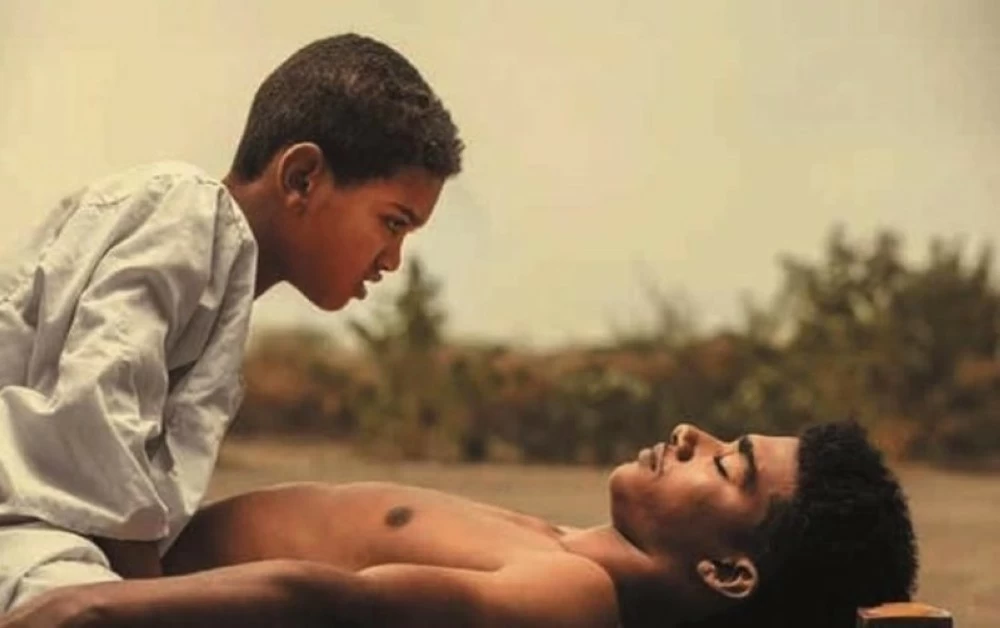
وبانفتاح مباهج الدنيا التي كان يرسمها سليمان، قرر مزمل اتباعها، يطرق الباب أو ينسل كعادته لبيت سليمان حين كانت ست النساء تنظر إليه ليس استغراباً وإنما توجس، فيطلق جملته لكسر باب البراءة، ليس لدي هدية أبغاك أنت.. وأعتقد أن الكاتب والمخرج معاً أرادا من مشهدية التقاء مزمل بست النساء تجسيداً لموت البراءة، فمات مزمل، والشاهد لذلك الموت التقاء مزمل وهو صغير بمزمل الخارج من رداء البراءة، فيضع مزمل الطفل أذنه على صدر مزمل الكبير فلا يسمع دقات قلب إنسان حي.. هو موت العشرين، موت التلوث من بوابة الجنس، لتكون هذه المشهدية هي جدل نفسي لدى المشاهد، هل الجنس أداة موت؟
وحين تغلق الشاشة على ركض مزمل خلف باص منطلق إلى جهة غير معلومة، يكون ركض مزمل إلى حياة غير معروفة العواقب، فالحياة العشرينية انتظار في سجن قدرية العشرين، وحين خرج منها ميت الإحساس كانت الحياة القادمة غير معروفة الجهات.
الفيلم وردة متفتحة على السينما الجادة والملتزمة، يفتح عقلية المشاهد لما هو مخبأ في أقدارنا.. فأقدارنا جميلة خلف الحجب ومتعبة بعد رفع تلك الحجب.
The screen opens to a vast desert, with a huge creature in the center of the scene, a tunnel that has become a symbol of death.. From the far end of the screen, men and women trickle in to visit the sheikh for healing or to scrape the days away in search of knowledge about the future.. Among the scattered manifestations through the flashes of the scene, one reaches the viewer's eye or mind that it is in a purely Sufi world, in an environment steeped in forgetfulness, having no means of communication outside that village. This world is a fictional or narrative realm that novelists are enamored with, and I suspect that the novelist and storyteller Hamour Ziada has internalized his narrative worlds (Sleeping at the Foot of the Mountain) and absorbed the worlds of mythology in that primitive society, a world that is brimming with myth and all things wondrous and magical.. It seems that this captivating world provided director Amjad Abu Al-Ala with the pleasure of showcasing the details of the magic of the place and the story as well, a story that opens its pages to the astonishing from the very beginning, a story filled with cinematic images to the extent that those images were the ones leading the narrative..
A picture that snatched amazement from that collective journey with its multiple rituals, and each image of the characters embarking on their journey represents a unique cinematic scene in itself.. When the mother Sakinah (Islam Mubarak) appeared, she anchored the tale, as she came to bless her newborn and have him chewed by the sheikh.. From this cinematic scene, a narrative vessel was torn apart and began to flow, where the newborn was named (Muzammil) and the sheikh's prophecy came that this newborn would die at the age of twenty.. While waiting for the fulfillment of the sheikh's prophecy, the camera began to draw the viewer's eye and opened their ears to capture the astonishing phrases, as the dialogue (in the film) was a reason to listen to every sentence and turn it over in your soul; the viewer became a maker of enjoyment for themselves through the scattered phrases here and there.. The entire village awaits the fulfillment of the sheikh's prophecy, and Muzammil knows the date of his death upon reaching twenty, and begins to sense his approach to the known time, as if wanting to confirm the days, he asks his mother:
Do the days I spent in your womb count towards my age?
And because he is the son of death, all eyes were fixed on his path, as the villagers saw a dead man walking on two feet, and because childhood memory is swift, his peers in the religious schools covered Muzammil's body with ash and buried him alive; that incident crushed hope in Muzammil's memory, and fixed him as a living dead. Between the millstone of prophecy and waiting, the father migrates and does not respond to his wife's messages, his migration an attempt to erase his existence from his son's mind, and he fled from the tenderness of his feelings that prevented him from seeing his son die before him.. Muzammil sensed that everyone was waiting for his death, and he confided to his mother with a terse sentence: I don't want to die!
Sulaiman, his father's friend (Mahmoud Al-Siraj), was his gateway to life after everyone shared in burying him alive. This friend begins to open Muzammil's (Mustafa Shahata) eye to life, and the open eye is represented in cinema, songs, and stories that revolve outside the village. The supposed beloved Naima (Bona Khaled) played on Muzammil's mind by denying the prophecy, trying to pull him into life through her love for him, while life moves on and Muzammil's life is tied to a prophecy that was uttered one day, even the one who said it departed the village for pilgrimage and never returned, yet his prophecy remains in the minds of Muzammil, his mother, and the rest of the villagers. There was a recommendation from one of the women to Sakinah, the mother, to search for someone to nullify that prophecy.. The escape from the supposed fate erased Muzammil and his mother's sense of the beauty of life and living a true life.. My following of the events of the story is not like the critics who recount the reality of events as they came in the novel; I know that this behavior is one of abbreviation, the abbreviation of everything is the new norm in contemporary societies, as abbreviation is the target, and because abbreviation is the true guillotine of any beauty..
My tracking of the film's events and mentioning narrative details came from the fact that each scene grants you cinematic enjoyment with visual details, where the event, dialogue, image, music, and actors share in it, as the details of the actors' faces are a visual symphony that is highly inspiring for the event.
And the arrival of the unknown past within the village makes it dynamic to create a future shift through cinema to be Muzammil's window when he visits Sulaiman, and the singing of Mohamed Abdel Wahab embodies a longing for Sulaiman and acts as a catalyst for Muzammil's feelings, and the dance of Samia Gamal turns into a key to Muzammil's desires that move at that moment.. The prophecy of his death closed off the avenues of life, and Sulaiman, reveling in the exuberance of life with drink, women, and disbelief in what the village represents, is the driving force behind the event, while the six women (Amal Mustafa) play the role of continuing the surge of desire and liberation from the prophecy, a role that the beloved Naima (daughter of Khaled) failed to fulfill, and perhaps her marriage is the impetus for change and the search for life instead of waiting for death, as the one who married Naima is one of the individuals who buried him with ash when he was young.
There are visually complete scenes of beauty scattered throughout the story, such as the shot of the red tarboosh and the white clothing mixed with the black clothing of Muzammil's mother (Sakinah), a world that ignites the viewer's mind to awaken a state of alertness to what is happening, and the shot of the two horses and the fear of losing them, and the shot of the farewell party for the mother to her son through the shot of incense, and there are phrases that open the doors of the film as if they were said and their speaker vanished among the successive visual scenes: I have no tomorrow.
And the light of the window sneaks between Sulaiman and Muzammil: You are a scared donkey.
The presence of the song (Visit Me Once a Year) embodies Fairuz as a harbinger of life, and the scene of the grave, and digging a grave for Muzammil turns into a bullet shot when Sulaiman is buried in it..
With the opening of the joys of the world that Sulaiman was painting, Muzammil decided to follow them, knocking on the door or sneaking as usual into Sulaiman's house when the six women looked at him not with surprise but with apprehension, and he utters his phrase to break the door of innocence, I have no gift, I want you.. And I believe that the writer and director together wanted from the scene of Muzammil meeting the six women to embody the death of innocence, so Muzammil died, and the witness to that death is the meeting of young Muzammil with the Muzammil emerging from the cloak of innocence, as young Muzammil places his ear on the chest of grown Muzammil and hears no heartbeat of a living human.. It is the death of twenty, the death of pollution through the gateway of sex, making this scene a psychological debate for the viewer, is sex a tool of death?
And when the screen closes on Muzammil running after a bus heading to an unknown destination, Muzammil's run is towards a life with unknown consequences, as the life of the twenties is a wait in the prison of the fate of twenty, and when he emerged from it, dead to feeling, the coming life was unknown in its directions.
The film is a blooming rose in serious and committed cinema, opening the viewer's mind to what is hidden in our fates.. For our fates are beautiful behind the veils and tiring after lifting those veils.