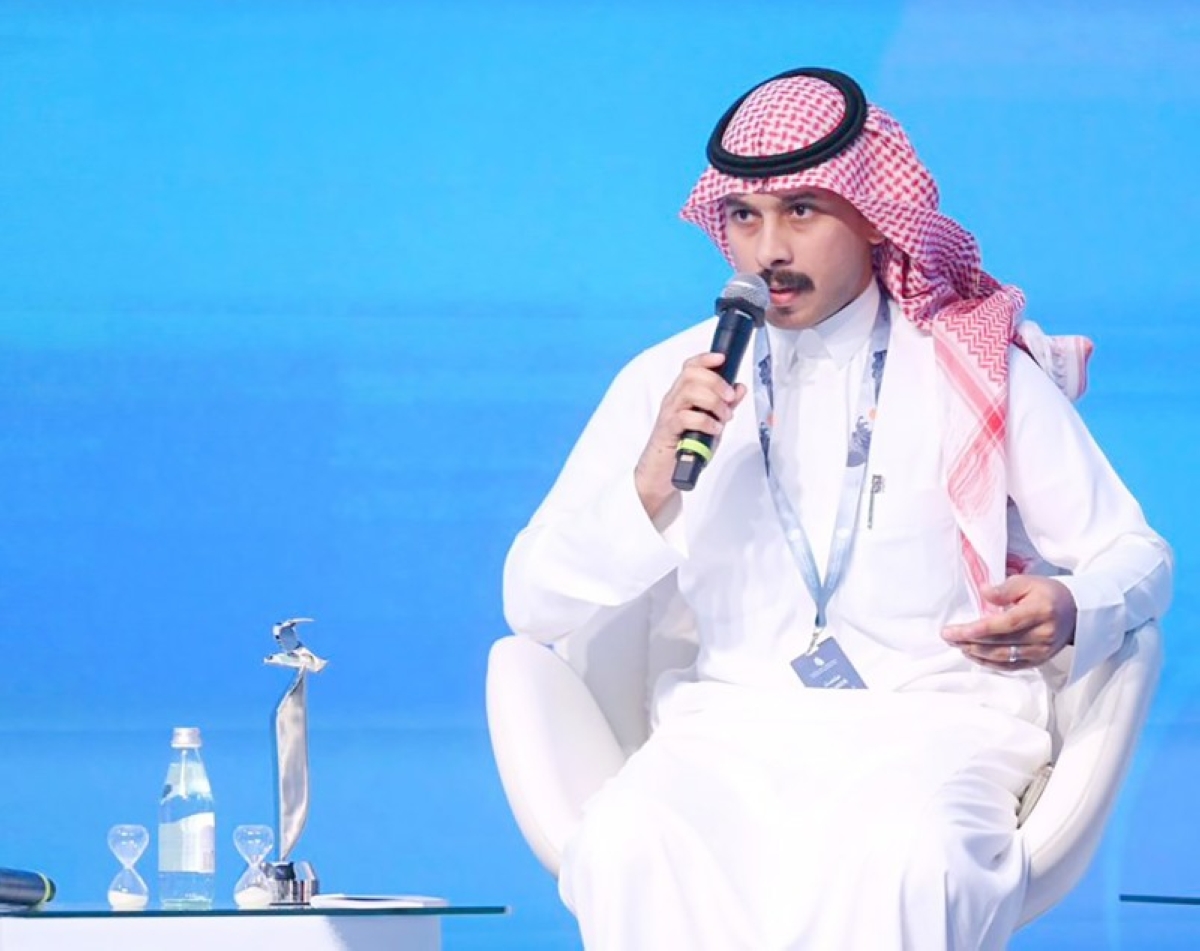
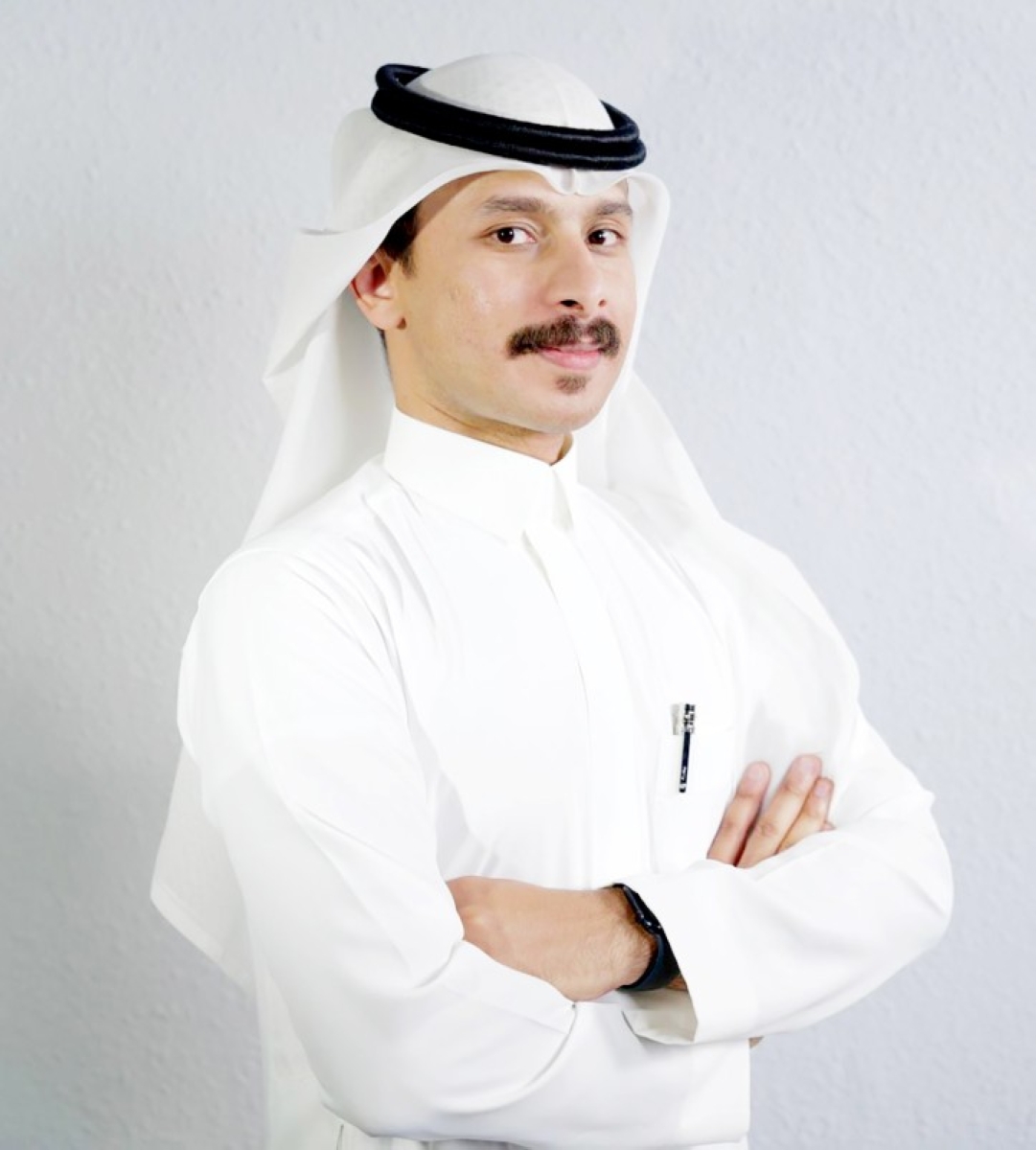
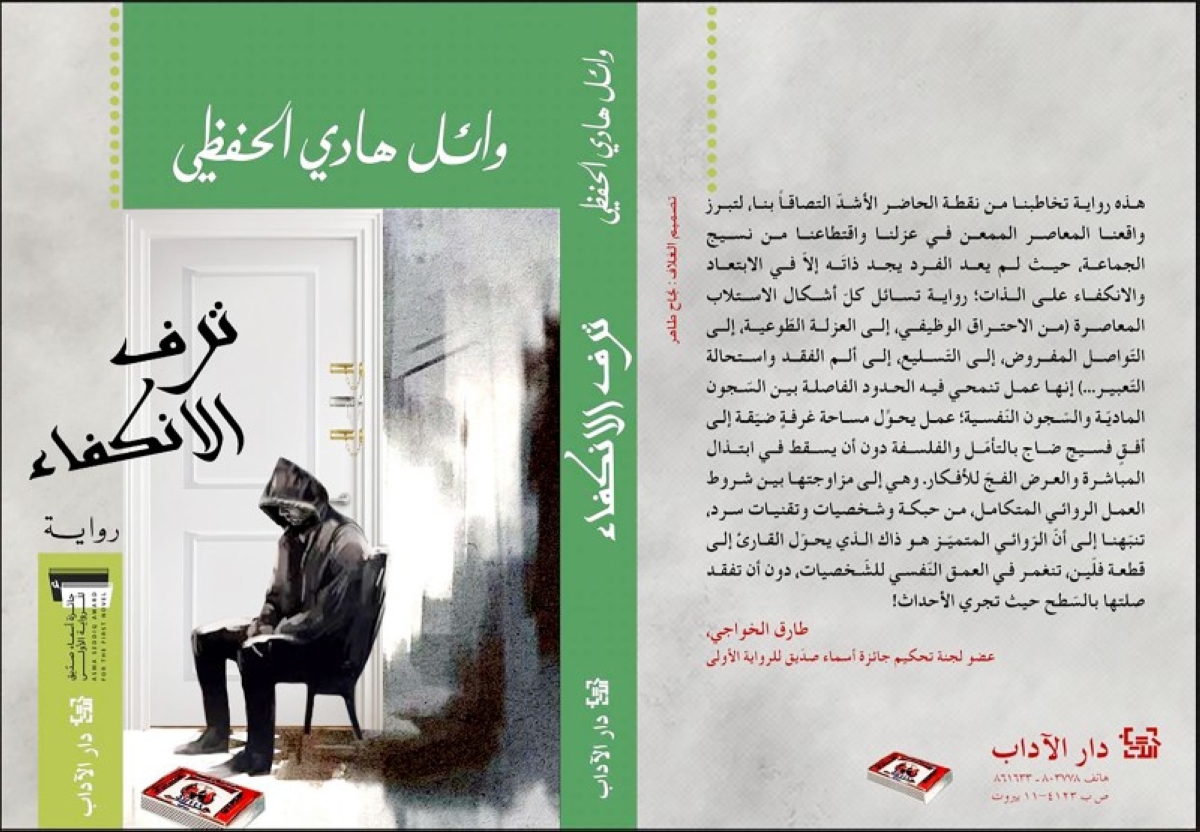
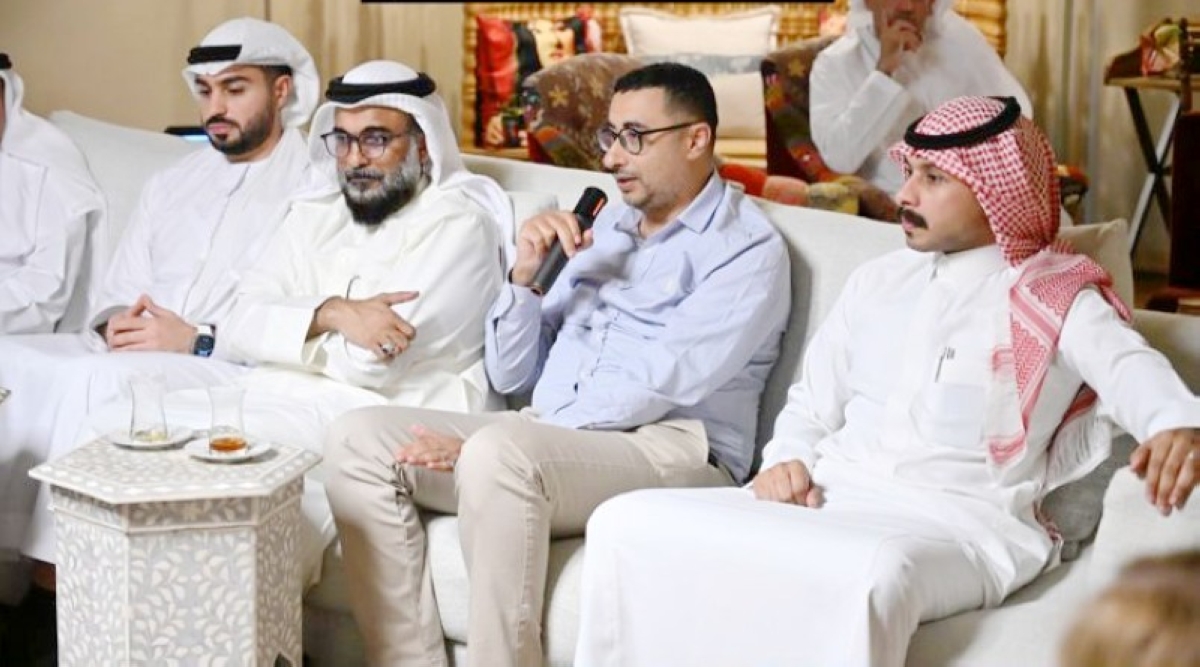
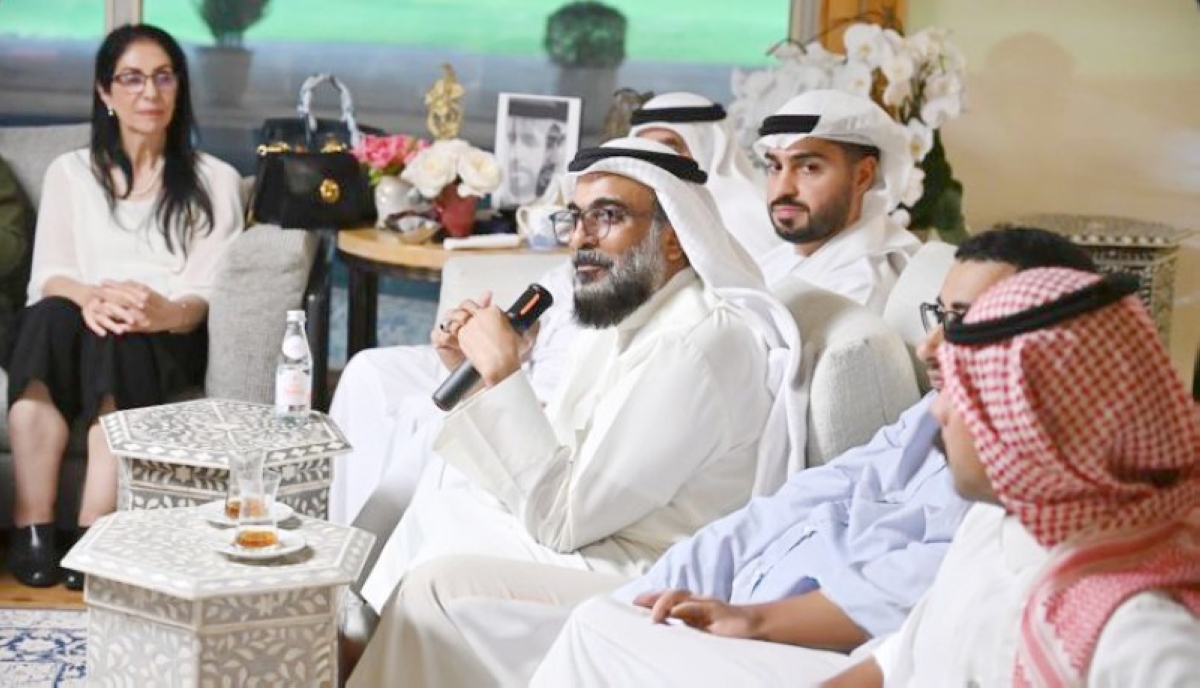
لعل مما ميّز الروائي وائل الحفظي، أنه أوجد له مكاناً في الضوء، وهو القادم بمفرده من الظِّل، لم يستعر جلباب أحد، ولم يتدارَ في شاخص له حضور سابق، كاتب ملَك زمام اللغة، ونجح في أن يكسب إشادة نقاد محايدين، وما فوز روايته «ترف الانكفاء» بجائزة أسماء صدّيق للرواية من بين 355 عملاً عربيّاً، إلا اعتراف علني به كاتباً، سيحقق المزيد من الإنجازات والنجاحات، كونه كما يظهر في هذا الحوار، يكتب بإخلاص، وفنيّة عالية، ولغة طازجة طزاجة رغيف يخرج من «ميفا» سيدة في مرتفعات السراة، فإلى نصّ الحوار:
• أي بيئة أحاطتك لتغدو كاتباً؟ كيف كان فضاؤك العائلي؟
•• وجدتني في بيت بمكتبة، ولوالدين منشغلين بالتعليم ويقدسانه، وأجداد لا تخلو أحاديثهم من القصص والحكايات. بالتأكيد كان لهذه البيئة يد في دفعي للكتابة بعد ذلك.
• ما تخصصك الدراسي؟ ومن قدح زناد الوعي أوّل مرة؟
•• كنت أظن -قبل اليوم- أن تخصّصي بعيد كل البعد عن الأدب، غير أنه كان وثيق الصلة بكل ما يخص الإنسان؛ دوافعه، طريقته، حزنه وفرحه. درستُ طبّ المختبرات أولاً، قبل أن أتخصّص لاحقاً في الكيمياء الحيوية السريرية. وربما أدركتُ حينها أن الأدب هو الفضاء الأوسع، القادر على استيعاب كل شيء، حتى العلوم.
أما الوعي فأظن هذا أكثر ما يجب على أي انسان التواضع بشأنه، فأي قارئ أو كاتب بإمكانه تلمّس أن كل قراءة هي محاولة سد فجوة ما، وكل كتابة هي كشف عن عدد لا يُحصى من الفجوات في وعينا.. في المحصلة أظن أن كتاب تشوهات الأجنة -الذي سأتحدث عنه لاحقاً- ربما هو الذي قدح تلك الشرارة، وعلى سبيل التهكم لا أدري إن كان لتخصصي مقدرة على سد تلك الفجوات التي أحدثها.
• ماذا يعني لك فوز روايتك «ترف الانكفاء» بجائزة أسماء صدّيق من بين 355 عملاً؟
•• بعيداً عن «الكليشيهات» أسعدني كثيراً خبر فوزي بالجائزة، أولاً لأنها حوَت أسماءً مهمةً في مجال الأدب والسينما على مستوى لجنة التحكيم، ولكون دار الآداب، داراً عريقة ولها تاريخها الكبير، ولن تجامل في نشر أي عمل على حساب سمعتها بين القراء، ولأنّ -وهذا ما لا يحب الناس الحديث عنه- الجائزة رافعة جيدة لكاتب يظهر في نصه الأول، وأستدرك هنا أنها رافعة جيدة لكل نص، إضافة إلى الحفاوة والتقدير الكبيرين اللذين حظيت بهما، كيف لبشر ألا يسعد بهذا كله، إلا إن كان يرغب بأن تحيطه هالة ملائكية وربما قدسية بين الناس.
• كيف تعاملت مع إشادات كُتّاب عرب بروايتك؟ ألا تخشى أن ينعكس عليك الإطراء سلباً وتعجز عن تجاوز «ترف الانكفاء»؟
•• كلّ كتابة أو مراجعة تمكنت من الخروج بمعنى من الرواية هي محل تقدير ودهشة، بالنسبة لي هذا هو التواصل الحقيقي بين الإنسان والأدب، وأن النقد الحقيقي يكمن في تجسير المسافة إلى النص، ومن هنا دائماً ما يُدهشني تعليق أحدهم أن «ترف الانكفاء» كانت مرآة له.
أُحب أن أعطي الأشياء وقتها، لستُ في سباق مع أحد، وفي الوقت نفسه أَعرفُ أن هناك الكثير مما يستحق الكتابة عنه، الأهم بالنسبة لي هو دافع الكتابة، أُحاول دائماً ألا أنجرف إلى كتابة أي شيء لاستمالة أي أحد، إن كنت سأكتبُ فإني سأكتبُ بشكل صادق؛ أي حين تكون الكتابة هي الطريق الوحيدة حينذاك.
• كيف ومن أعانك على اختيار ثيمة العمل الموائمة لواقع أجيال معاصرة؟
•• في الواقع أن العمل ولد بثيمته هذه، ذلك أني جزء من هذا الجيل وأعاني مما يُعانيه من معمعة. ولكن بالتأكيد هُناك من آمن بي وبالعمل قبل الجميع، هناك صديق مقرب لا أظنه يود أن أورد اسمه، إضافة إلى روائي عظيم لا أظنه أيضاً يفضّل أن أورد اسمه، بزعمي أن جزءاً من عظمتهما ومن فكرة إيمانهما الحقيقي بالعمل، تكمن في أنهما يقدمان الأمر دون أن يرغبا في أن أُرجع الفضل لهما، ودوري الوحيد أمام هذا الإيمان هو أن احتفظ بامتناني اتجاههما.
• من أين لك هذه اللغة الطازجة التي كتبت بها؟
•• أتصور أنه لا يمكنني حصر الإجابة في شيء وحيد هنا، ما يمكنني قوله هو أن عوامل عدة شكلّت المخزون اللغوي لدي، حلقات التحفيظ والقراءات وحتى الحكايا التي استمعتُ إليها في يوم ما كل هذا كان مصدراً مهما لهذه التعبئة.
• في «ترف الانكفاء»، ملامح قارئ في الاقتصاد، والسياسة، وعلمَي الاجتماع والنفس، أليس كذلك؟
•• في الأخير أنا قارئ، ولم أكن لأكتب شيئاً لو لم أفعل. هُناك العديد من المراحل في حياتي كان عنوانها موضوعاً معيناً من تلك الموضوعات المطروحة ضمن السؤال.
• أيمكن وضعنا في مشهديّة الكتابة لنعيش معك لحظاتها، متى كنت تكتب؟ كم استغرقت منك؟ هل تكتب بقلم؟ ما نسبة القلق والملل الذي اعتراك؟ ماذا عن مراودة الخلاص مما كتبته وعدم النشر؟
•• من البداية أؤكد لك أنه لا يوجد لدي أي طقوس. شرط الكتابة الوحيد بالنسبة لي هو الهدوء، وكثيراً ما كنت أكتب في مدن في الجهة الأخرى من العالم. أما بالنسبة لمتى فأنا أكتب متى ما شعرتُ بأني بحاجة إلى الكتابة، لا توجد لدي ساعات محددة، ولا أذهب لمكتب ببدلة رسمية إذ ليس لدي مكتب في الأساس، في الأخير الكتابة ليست مصدر دخل في عالمنا العربي ولكنها مصدر رائع لفهم العالم بأسره، ومن هنا أغلب كتّابنا المبدعين يكتبون على هامش الحياة.
أما عن الأداة فأنا أكتب باستخدام الكمبيوتر المحمول، هذا أسهل حتى على مستوى التعديل والحذف.
لم يكن هناك أي شيء أقلق لأجله، بالنسبة لي لم أكن أكتب تحت أي ضغط فلا أحد كان ينتظر مني شيئاً، وهذا ما أحاول الحفاظ عليه الآن. بالنسبة للملل أفضل طريقة لعلاجه هي الاستجابة له، ولهذا فإن طريقتي أني كلما مللت توقفت وتوجهت لأي أمر آخر كنت قد توقفت عنه أيضاً بدافع الملل.
• متى بدأت القراءة الجادة؟ وكيف استثمرت قراءتك؟
•• اسمح لي أن أقول إن كل قراءة هي قراءة جادة من وجهة نظري، فيما لو أردنا أن نتوقف عند المصطلح ذاته فإنك عندما تقرأ الشيء يعني أنك تحاول «فهمه» والفهم لا يأتي إلا مقروناً بالجدّية، أي شيء آخر هو مجرد تصفح لا أكثر، وإجابة عن سؤالك فإن «القراءة» قد بدأت في سن مبكرة حين التقفتُ من المكتبة كتاباً متخصصاً في تشوهات الأجنّة، فبالقدر ذاته الذي كانت الصور التي يحويها ذلك الكتاب منفرة، كان المنع من قراءته دافعاً لأن أقرأ، وبالتأكيد «فهمت» في حينها أنه كان من الممكن أن نولد مشوهين.
• هل سبق أن كتبت القصة أو القصيدة؟ أم أنك احتكمت للسرد الروائي دون سواه؟
•• كانت هناك محاولات صغيرة للبحث عن متنفس للقلق، إلا أنها كانت فاشلة، وحدها الرواية باتساعها المرن استطاعت أن تستوعب ما أود أن أحكيه، وأظن من هنا بالضبط تسيّدت الرواية المشهد، واسمح لي هنا بإضافة مهمة وهي أننا نفهم الأشياء بطريقة أفضل ضمن سياقات الحكايا والقصص، أفضل بكثير من فهمنا لها في الكتب الجافة التي تقدم إجابات جاهزة لكل شيء، هذا رأيي على الأقل.
• من الكاتب الذي ربما قررت أن تسير على خطاه، أو هواه، أو هُداه؟
•• يحب أغلب الكتّاب التنظير عن فكرة الفرادة تماماً، كما يحب أغلب النقاد استحضار ذواتهم أمام كلّ عمل إبداعي فكرة نفيها عنهم، وأنا أحب أن أؤكد أن ما أقدمه هو متوسط تجربتي وقراءاتي سواء على مستوى اللغة أو الشكل، ومن هنا لا يمكنني أن أحصي لك كل الذين أُعجبت بهم وتأثرت بهم بشكل أو بآخر، والأكيد إنْ كانت هناك فرادة فهي فرادة الأسلوب والزاوية التي ينظر منها الكاتب للعمل. ودعني هنا أضيف أن لدي قائمة توقفت عن الإضافة إليها بعد أن وصلت إلى 12 رواية تذكروها القرّاء بعد أن فرغوا من قراءة رواية «ترف الانكفاء» والعجيب أن حمساً من الروايات الموجودة في القائمة لم أقرأها، إلا عقب نشر «ترف الانكفاء»، والحقيقة أن الأسماء في هذه القائمة تُشعرني بالجذل عكس ما يظن الكثير، ومن هنا أشد على يد «باختين» الذي يقول إننا عند الكتابة نحن بالضرورة أمام عملية استحضار كلّ ما كُتب أمام كلّ ما لم يُكتب.
• بماذا تنصح شباناً وفتيات ممن لديهم طموح كتابة الرواية؟
•• بما أن الكتابة إبداع، والإبداع لا يحتكم للسائد فهو بالضرورة يجب ألا يحتكم لأي معايير أو نصائح، ولهذا أنا آخر من يؤمن بالنصح والمعايير والنقد إذا كانت تحد من انطلاق المبدع، ولأجل هذا لا يمكنني تقديم أي نصائح.
• ماذا لو كانت روايتك «بيضة ديك» شأن بعض الكُتّاب، ولم تُصدر بعدها أي عمل؟ أم أنك انطلقت في عمل ثانٍ؟
•• بكل صدق لا أشعر أني بحاجة لأن أثبت أي شيء لأي أحد، التزامي الوحيد تجاه نفسي «احتراماً للكتابة» هو أن أكتب وأنا أكتب بشكل صادق، والصدق هنا أعني به أن تكون حاجتك للخلاص مما «يقلقك» عبر الكتابة. الكتابة الصادقة فيها هذا النفس الأناني، أما أن تكون الكتابة هي محاولة لإثبات الذات للآخر فهذا ما لا أؤمن به إلا كنتيجة طبيعية لنشر ما كتبت بصدق، لذلك أقدر الديك صاحب البيضة الوحيدة الذي يثق بنفسه، أكثر من الديك الذي يبيض في السنة مرتين لينفش ريشه على الآخرين.
Perhaps one of the distinguishing features of the novelist Wael Al-Hafzi is that he has found his place in the light, coming alone from the shadows, without borrowing anyone's cloak, nor did he rely on a figure with a previous presence. He is a writer who has mastered the language and succeeded in earning the praise of neutral critics. The fact that his novel "The Luxury of Retreat" won the Asma Sadek Prize for Fiction among 355 Arabic works is nothing but a public acknowledgment of him as a writer who will achieve more accomplishments and successes. As he shows in this interview, he writes with sincerity, high artistry, and fresh language, as fresh as a loaf coming out of the "Mefa" of a lady in the Sarawat highlands. So, here is the text of the interview:
• What environment surrounded you to become a writer? How was your family space?
•• I found myself in a house with a library, with parents who were preoccupied with education and revered it, and grandparents whose conversations were filled with stories and tales. Certainly, this environment played a role in pushing me to write later on.
• What is your academic specialization? Who sparked your awareness for the first time?
•• I used to think—before today—that my specialization was far removed from literature; however, it was closely related to everything concerning humanity: its motives, its ways, its sadness, and its joy. I studied laboratory medicine first, before later specializing in clinical biochemistry. Perhaps at that time, I realized that literature is the broader space capable of encompassing everything, even sciences.
As for awareness, I believe this is something every person should be humble about, as any reader or writer can sense that every reading is an attempt to fill a gap, and every writing is a revelation of countless gaps in our consciousness. Ultimately, I think that the book "Fetal Malformations"—which I will talk about later—might be the one that sparked that spark. And in a sarcastic tone, I wonder if my specialization has the ability to fill those gaps it created.
• What does it mean to you that your novel "The Luxury of Retreat" won the Asma Sadek Prize among 355 works?
•• Away from clichés, I was very happy to hear about my winning the prize, firstly because it included important names in the field of literature and cinema on the jury, and because Dar Al-Adab is a prestigious house with a great history, and it will not compromise by publishing any work at the expense of its reputation among readers. And because—this is something people do not like to talk about—the prize is a good boost for a writer appearing in their first text, and I should add that it is a good boost for any text, in addition to the great warmth and appreciation I received. How can a person not be happy with all of this, unless they wish to be surrounded by an angelic and perhaps sacred aura among people?
• How did you deal with the praises of Arab writers for your novel? Do you not fear that flattery might negatively affect you and hinder you from surpassing "The Luxury of Retreat"?
•• Every writing or review that manages to extract meaning from the novel is a source of appreciation and amazement for me. This is the true connection between a person and literature, and that real criticism lies in bridging the distance to the text. From here, I am always amazed by someone's comment that "The Luxury of Retreat" was a mirror for them.
I like to give things their time; I am not in a race with anyone, and at the same time, I know that there is much that deserves to be written about. The most important thing for me is the motivation to write. I always try not to be swept into writing anything to please anyone. If I am going to write, I will write sincerely; that is, when writing is the only path at that moment.
• How did you choose the theme of the work that aligns with the reality of contemporary generations?
•• In fact, the work was born with this theme, as I am part of this generation and suffer from what it suffers from. But certainly, there are those who believed in me and the work before anyone else. There is a close friend whom I don’t think would want me to mention their name, in addition to a great novelist who I also don’t think would prefer me to mention their name. I believe that part of their greatness and their genuine belief in the work lies in the fact that they present the matter without wanting me to credit them, and my only role in front of this belief is to keep my gratitude towards them.
• Where did you get this fresh language that you wrote with?
•• I imagine that I cannot limit the answer to a single thing here. What I can say is that several factors shaped my linguistic reservoir: memorization circles, readings, and even the tales I listened to at some point—all of this was an important source for this accumulation.
• In "The Luxury of Retreat," there are features of a reader in economics, politics, and the sciences of sociology and psychology, isn't that so?
•• Ultimately, I am a reader, and I would not have written anything if I hadn’t read. There were many stages in my life that had a specific theme among those topics raised in the question.
• Can you place us in the scene of writing to live its moments with you? When did you write? How long did it take you? Do you write with a pen? What is the ratio of anxiety and boredom that you experienced? What about the temptation to abandon what you wrote and not publish it?
•• From the beginning, I assure you that I have no rituals. The only condition for writing for me is calmness, and I often wrote in cities on the other side of the world. As for when, I write whenever I feel the need to write; I don’t have specific hours, nor do I go to an office in formal attire since I don’t have an office in the first place. Ultimately, writing is not a source of income in our Arab world, but it is a wonderful source for understanding the entire world, and from here, most of our creative writers write on the margins of life.
As for the tool, I write using a laptop; this is easier even in terms of editing and deleting.
There was nothing to worry about. For me, I was not writing under any pressure, as no one was expecting anything from me, and this is what I try to maintain now. As for boredom, the best way to treat it is to respond to it, and that is why my method is that whenever I get bored, I stop and turn to any other matter that I had also stopped due to boredom.
• When did you start serious reading? How did you invest your reading?
•• Allow me to say that every reading is serious from my perspective. If we want to stop at the term itself, when you read something, it means you are trying to "understand" it, and understanding does not come except when accompanied by seriousness. Anything else is just browsing, nothing more. In answer to your question, "reading" began at an early age when I picked up a specialized book on fetal malformations from the library. To the same extent that the images in that book were repulsive, the prohibition against reading it was a motivation for me to read, and I certainly "understood" at that time that it was possible for us to be born deformed.
• Have you ever written a story or a poem? Or did you resort solely to narrative prose?
•• There were small attempts to find an outlet for anxiety, but they were unsuccessful. Only the novel, with its flexible vastness, was able to accommodate what I wanted to tell. I think that is precisely why the novel dominated the scene. Allow me to add an important point: we understand things better within the contexts of stories and tales, much better than we understand them in dry books that provide ready answers to everything. This is my opinion, at least.
• Which writer perhaps inspired you to follow in their footsteps, or their passion, or their guidance?
•• Most writers love to theorize about the idea of uniqueness, just as most critics enjoy presenting their own selves in front of every creative work, negating it from themselves. I like to emphasize that what I present is an average of my experience and readings, whether at the level of language or form. From here, I cannot list all those I admired and were influenced by in one way or another. What is certain is that if there is uniqueness, it is the uniqueness of style and the angle from which the writer views the work. Let me add that I have a list that I stopped adding to after reaching 12 novels that readers remembered after finishing "The Luxury of Retreat." Interestingly, some of the novels on the list I did not read until after the publication of "The Luxury of Retreat." The truth is that the names on this list make me feel joyful, contrary to what many think. From here, I support Bakhtin, who says that when we write, we are necessarily in a process of invoking everything that has been written against everything that has not been written.
• What advice do you have for young men and women who aspire to write a novel?
•• Since writing is creativity, and creativity does not adhere to the prevailing norms, it must not adhere to any standards or advice. Therefore, I am the last person to believe in advice, standards, or criticism if they limit the creative's freedom. For this reason, I cannot offer any advice.
• What if your novel "The Rooster's Egg" is like some writers, and you did not publish any work afterward? Or have you embarked on a second work?
•• Honestly, I do not feel the need to prove anything to anyone. My only commitment to myself, "in respect of writing," is to write, and I write sincerely. By sincerity, I mean that your need for relief from what "troubles you" is through writing. Honest writing has this selfish breath. As for writing being an attempt to prove oneself to others, I do not believe in that except as a natural result of publishing what you wrote sincerely. Therefore, I appreciate the rooster with the single egg who trusts himself more than the rooster that lays eggs twice a year to flaunt his feathers to others.