


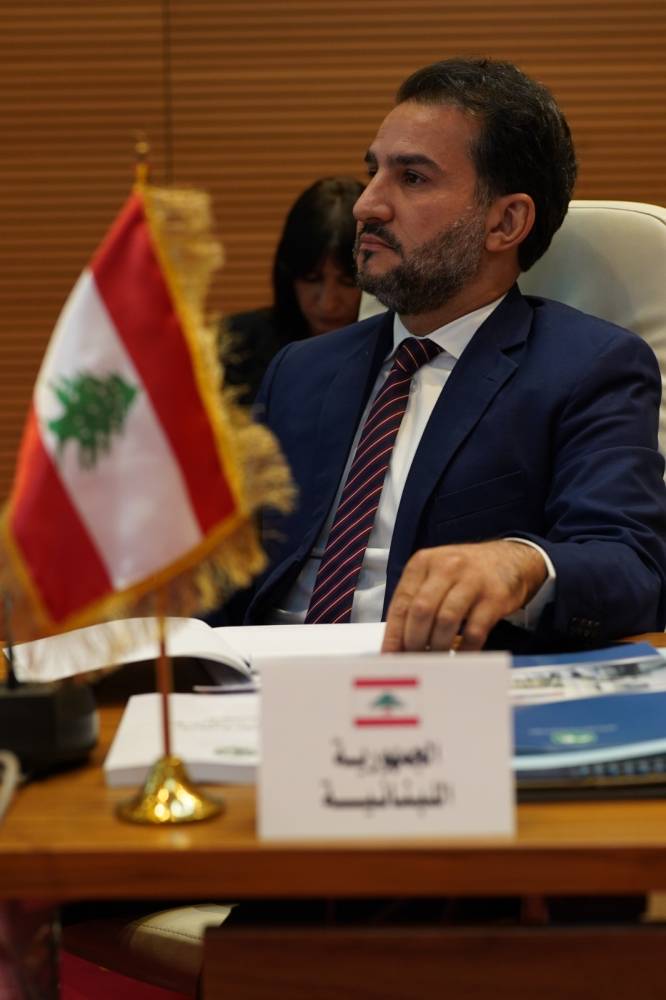
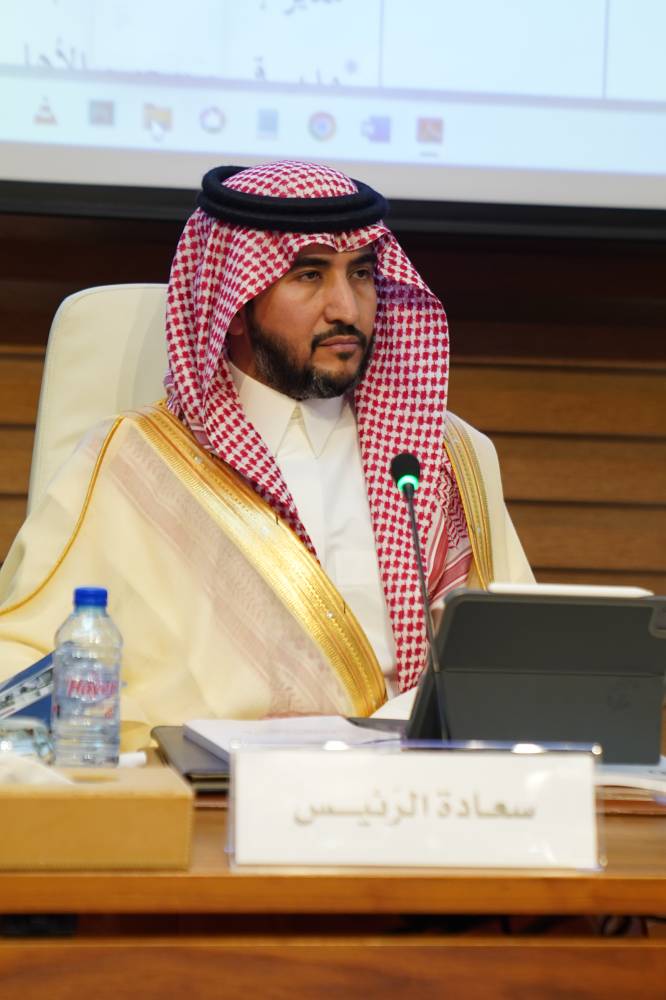
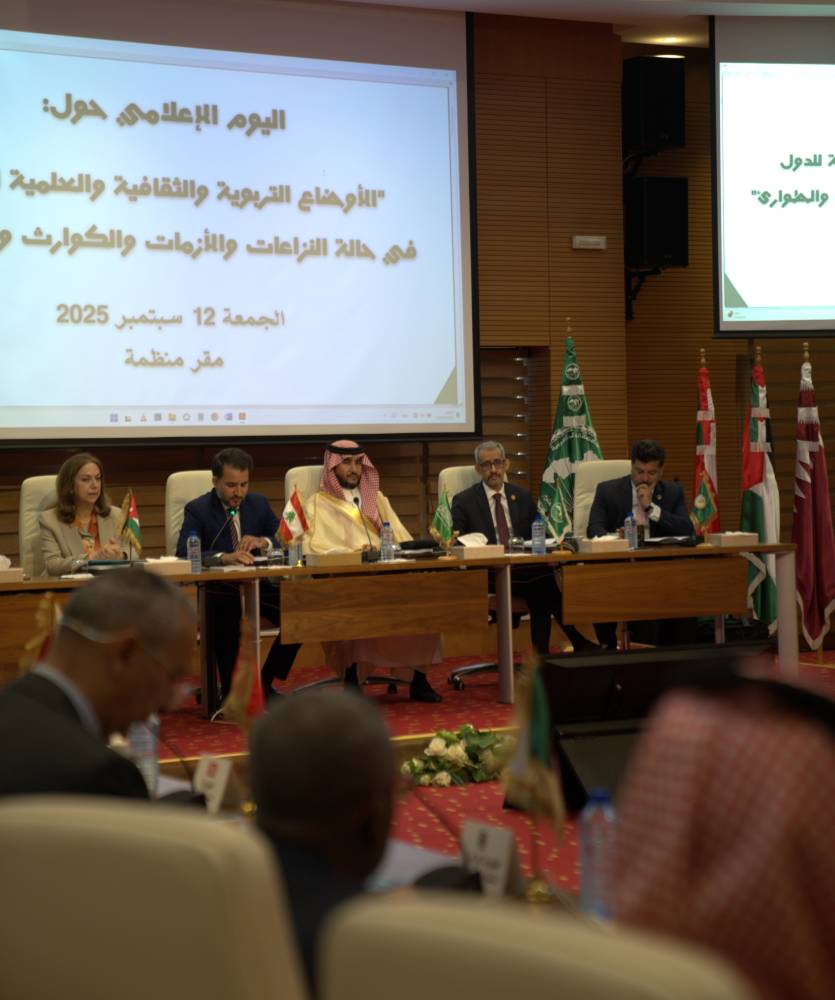
في مشهد يعكس قيادة المملكة وريادتها في المبادرات الإنسانية التي يعود نفعها على الإنسان العربي الذي حُرم من التعليم والمعرفة والثقافة بسبب الأزمات والكوارث والحروب، وجدت المبادرة السعودية في عقد «يوم إعلامي»، بالعاصمة التونسية في الثاني عشر من سبتمبر الماضي، في مقر المنظمة العربية للتربية والثقافة والعلوم «الألكسو»، تفاعلا إيجابيا من الدول العربية وتلك التي تعاني الأزمات والنزاعات والكوارث.
«اليوم الإعلامي»، عكس فاعلية رئاسة المملكة للمجلس التنفيذي للمنظمة ودورها في رعاية مصالح جميع الدول وأتى بمبادرة من المملكة لتسليط الضوء على جهود العمل العربي المشترك الذي بدأ قبل 15 شهرا، حين أقر المجلس التنفيذي والمؤتمر العام لـ«الألكسو» في اجتماعيهما بمدينة جدة في مايو 2024م، مقترح ليبيا بإدراج بند دائم للأوضاع التربوية والثقافية والعلمية للدول في حالة النزاعات والأزمات والكوارث والطوارئ على جدولي أعمالهما، لتتبع ذلك مبادرات نوعية قادتها المملكة بتشكيل لجنة مختصة ومن ثم عقد يوم إعلامي لرصد الأضرار والحاجات وآلية الاستجابة لذلك.
-----
مقترح وزير الثقافة: بناء مجلس قوي لـ«الألكسو»
-----
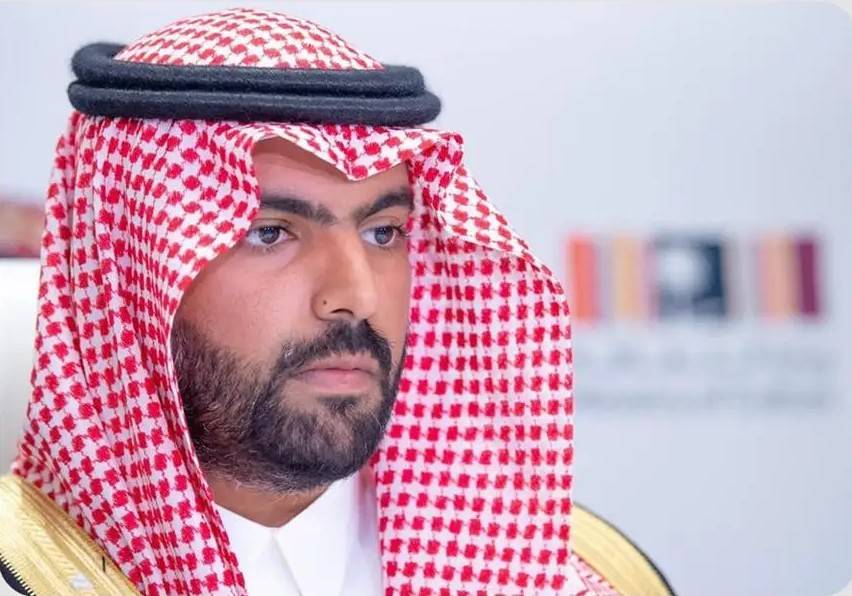
انعقاد «اليوم الإعلامي» يأتي بمقترح من السعودية، امتدادا لتوجيهات وزير الثقافة رئيس اللجنة الوطنية للتربية والعلوم والثقافة رئيس المؤتمر العام لمنظمة «الألكسو» الأمير بدر بن عبدالله بن فرحان، في بناء مجلس تنفيذي قوي للمنظمة بما يمنح اهتماما أكبر ورعاية أشمل للدول العربية الشقيقة التي تواجه النزاعات والأزمات والكوارث والطوارئ، إلى جانب تطوير مجالات التربية والعلوم والثقافة، لتحقيق مبادئ العمل الجماعي المشترك بما يعزز الروابط بين الدول العربية الشقيقة ضمن منظمة «الألكسو».
وفي فعالية هي الأولى من نوعها منذ تأسيس المنظمة قبل 55 عاما، شهدت «الألكسو» في 12 سبتمبر الماضي في تونس، بمشاركة جميع الدول العربية الأعضاء، انعقاد أعمال «اليوم الإعلامي» لرصد الحاجات والأضرار اللاحقة بالأوضاع التربوية والثقافية والعلمية في الدول العربية التي تعاني النزاعات والأزمات والكوارث والطوارئ، واستعرض «اليوم الإعلامي» الذي تبنته الدول العربية، وتفاعلت معه، تجربة ورؤى الدول العربية إزاء هذه الأوضاع الاستثنائية.
وفي الوقت الذي لاقى فيه «اليوم الإعلامي» تفاعلا وتقديرا من جميع الدول العربية المشاركة لمقترح المملكة بتسليط الضوء على تحديات الدول التي تمر بظروف مريرة، استعرض «اليوم الإعلامي» تقارير عن حالات عدد من الدول التي تعاني الأزمات والحروب، واستعرضت كل من دول فلسطين والسودان واليمن أثر الحروب والنزاعات على مجالات التربية والثقافة والعلوم، فيما كانت الأرقام حاضرة لتدل على حجم الضرر ومستوى الحاجات التي تستدعي مساندة المنظمة بدولها كافة.
----
عمل عربي تكاملي
----
شكلت رحلة إدراج بند في جدولي أعمال المجلس التنفيذي والمؤتمر العام للمنظمة، قبل 15 شهرا، مرورا بموافقة المجلس التنفيذي على مقترح المملكة في مايو 2025م، بإنشاء لجنة برئاسة لبنان وعضوية 10 دول السعودية، السودان، سورية، الصومال الفيدرالية، فلسطين، قطر، ليبيا، مصر، المغرب، واليمن، ومن ثم موافقة المجلس على مقترح المملكة بعقد «اليوم الإعلامي»، عملا عربيا تكامليا شاركت فيه الدول المعنية في اللجنة ودعمته الدول الأعضاء في المجلس التنفيذي، حتى أتى انعقاد «اليوم الإعلامي» الذي يستهدف رصد الحاجات والأضرار اللاحقة بالأوضاع التربوية والثقافية والعلمية في الدول العربية التي تعاني النزاعات والأزمات والكوارث والطوارئ، في إطار متابعة تنفيذ قرارات المجلس التنفيذي، بهدف تعزيز العمل على التواصل والتنسيق مع الدول المعنية، وتحديد حاجاتها الفنية والمالية، ووضع خطة للاستجابة لذلك.
----
هاني المقبل: عمل كامل متكامل
----
رئيس المجلس التنفيذي لمنظمة «الألكسو» ممثل المملكة هاني بن مقبل المقبل أكد أن انعقاد «اليوم الإعلامي» لرصد الحاجات والأضرار اللاحقة بالأوضاع التربوية والثقافية والعلمية في الدول العربية التي تعاني النزاعات والأزمات والكوارث والطوارئ، يسلط الضوء على ما يمكن أن يُقدم من موازنات ومن دعم من خلال التركيز على الدول التي تواجه تحديات وصراعات وطوارئ وأزمات، وكذلك الدول ذات الخصوصية.
وأشار المقبل إلى أن هذه الدول بحاجة اليوم للمجلس التنفيذي والمنظمة أكثر من أي وقت مضى، مقدما شكره للجنة متابعة الأوضاع التربوية والثقافية والعلمية للدول في حالة النزاعات والأزمات والكوارث والطوارئ، وما عملته من جهد كبير حتى انعقاد «اليوم الإعلامي»، مؤكدا أن العمل العربي المتكامل في هذا الصدد بدأ من دولة ومن ثم اقترحت دولة أخرى لجنة، ومن ثم ترأست دولة أخرى تلك اللجنة، حتى أصبح عملا كاملا متكاملا لخدمة أعمال المنظمة، يشارك فيه مع انعقاد اليوم الإعلامي جميع الدول العربية.
----
ولد أعمر: الأمل ما زال معقودا لتوحيد الإرادات
----
مدير عام المنظمة العربية للتربية والثقافة والعلوم الدكتور محمد ولد أعمر قال إن «اليوم الإعلامي» يؤكد التزام الجميع، منظمة ودولا عربية أعضاء، على المضي قدما لتعزيز التضامن والتعاضد والتكاتف بين أبناء الأمة للتصدي بكل حزم وعزم واقتدار للأوضاع التربوية والثقافية والعلمية للدول في حالة النزاعات والأزمات والكوارث والطوارئ.
وأوضح أنه تمت مخاطبة الوزراء رؤساء اللجان الوطنية في الدول المعنية لتحديد احتياجاتها الفنية والمالية، وتقديم تقرير بهذا الشأن، مضيفا أن العمل ما زال جاريا مع الدول العربية المعنية لتفعيل هذه المبادرة الزكية، وأن الأمل ما زال معقودا لتوحيد الإرادات الخيّرة وتجميع الطاقات الحية في وطننا العربي من خلال اللجنة التي شكلها المجلس التنفيذي في دورته العادية 123 المنعقدة بتونس في مايو 2025م.
-----
الصمد: مجالات التربية والثقافة والعلوم ضرورة وجودية
-----
أكد عضو المجلس التنفيذي الأمين العام للجنة الوطنية اللبنانية للتربية والعلم والثقافة رئيس لجنة متابعة الأوضاع التربوية والثقافية والعلمية للدول في حالة النزاعات والأزمات والكوارث والطوارئ الدكتور علي قاسم الصمد أن اللجنة تنطلق من إيمان راسخ أن مجالات التربية والثقافة والعلوم ليست ترفا يمارس في أوقات الرخاء فقط، بل هي ضرورة وجودية حتى في أحلك الظروف، مضيفا: «ومن هنا فإن دورنا يتمثل في رصد ومتابعة التحديات التي تواجه المنظومات التربوية الثقافية والعلمية في أوطاننا العربية، والعمل على تقديم الدعم والمساندة للدول التي تعاني تبعات الحروب والأزمات والكوارث، بما يحفظ حق شعوبنا في التعليم والثقافة والإبداع والمعرفة». وأشار الدكتور الصمد إلى أن «اليوم الإعلامي» منبثق من رؤية رئيس المجلس التنفيذي للمنظمة، مقدما شكره للمملكة العربية السعودية على الرعاية والاهتمام اللذين أحاطت بهما اللجنة، فيما شكر زملاءه ممثلي الدول الأعضاء في اللجنة على ما قاموا به من أعمال، متطلعا إلى إكمال أعمال اللجنة وجمع التقارير والرؤى من الدول المعنية.
عمل عربي تكاملي بدأ في جدة قبل 15 شهراً.. الأمير بدر بن فرحان يوجه ببناء مجلس قوي لـ«الألكسو»
السعودية تقود مبادرة رصد حاجات الإنسان العربي من التعليم والثقافة في دول الأزمات والحروب
19 سبتمبر 2025 - 11:29
|
آخر تحديث 19 سبتمبر 2025 - 11:29


تابع قناة عكاظ على الواتساب
«عكاظ» (الرياض)
In a scene that reflects the leadership and pioneering role of the Kingdom in humanitarian initiatives that benefit the Arab individual who has been deprived of education, knowledge, and culture due to crises, disasters, and wars, the Saudi initiative to hold an "Information Day" in the Tunisian capital on September 12th, at the headquarters of the Arab Organization for Education, Culture and Science (ALECSO), received positive interaction from Arab countries and those suffering from crises, conflicts, and disasters.
The "Information Day" reflected the effectiveness of the Kingdom's presidency of the Executive Council of the organization and its role in safeguarding the interests of all countries. It was initiated by the Kingdom to highlight the efforts of Arab joint action that began 15 months ago, when the Executive Council and the General Conference of ALECSO approved in their meetings in Jeddah in May 2024 the Libyan proposal to include a permanent item on the educational, cultural, and scientific situations of countries in cases of conflicts, crises, disasters, and emergencies on their agendas. This was followed by qualitative initiatives led by the Kingdom to form a specialized committee and then hold an Information Day to assess the damages and needs and the response mechanism for that.
-----
Minister of Culture's Proposal: Building a Strong ALECSO Council
-----
The holding of the "Information Day" comes as a proposal from Saudi Arabia, extending from the directives of the Minister of Culture, Chairman of the National Committee for Education, Science, and Culture, and President of the General Conference of ALECSO, Prince Badr bin Abdullah bin Farhan, to build a strong Executive Council for the organization that grants greater attention and broader care to the brotherly Arab countries facing conflicts, crises, disasters, and emergencies, in addition to developing the fields of education, science, and culture, to achieve the principles of collective joint action that enhance the ties among brotherly Arab countries within ALECSO.
In an event that is the first of its kind since the establishment of the organization 55 years ago, ALECSO witnessed on September 12th in Tunisia, with the participation of all member Arab countries, the holding of the "Information Day" to assess the needs and damages affecting the educational, cultural, and scientific situations in Arab countries suffering from conflicts, crises, disasters, and emergencies. The "Information Day," which was adopted and interacted with by the Arab countries, showcased the experiences and visions of Arab countries regarding these exceptional situations.
While the "Information Day" received interaction and appreciation from all participating Arab countries for the Kingdom's proposal to highlight the challenges faced by countries undergoing dire circumstances, it presented reports on the situations of several countries suffering from crises and wars. Palestine, Sudan, and Yemen discussed the impact of wars and conflicts on the fields of education, culture, and science, while the figures were present to indicate the extent of the damage and the level of needs that require the organization's support from all its member states.
----
Arab Complementary Work
----
The journey to include an item on the agendas of the Executive Council and the General Conference of the organization, 15 months ago, passed through the approval of the Executive Council of the Kingdom's proposal in May 2025 to establish a committee chaired by Lebanon and consisting of 10 countries: Saudi Arabia, Sudan, Syria, the Federal Somalia, Palestine, Qatar, Libya, Egypt, Morocco, and Yemen. The council then approved the Kingdom's proposal to hold the "Information Day," representing a complementary Arab effort in which the concerned countries in the committee participated and was supported by the member states of the Executive Council, leading to the holding of the "Information Day" aimed at assessing the needs and damages affecting the educational, cultural, and scientific situations in Arab countries suffering from conflicts, crises, disasters, and emergencies, as part of following up on the implementation of the Executive Council's decisions, with the aim of enhancing communication and coordination with the concerned countries, identifying their technical and financial needs, and developing a response plan for that.
----
Hani Al-Muqbil: A Complete Integrated Work
----
The Chairman of the Executive Council of ALECSO, representing the Kingdom, Hani bin Muqbil Al-Muqbil, confirmed that the holding of the "Information Day" to assess the needs and damages affecting the educational, cultural, and scientific situations in Arab countries suffering from conflicts, crises, disasters, and emergencies highlights what can be provided in terms of budgets and support by focusing on countries facing challenges, conflicts, emergencies, and crises, as well as countries with specific circumstances.
Al-Muqbil pointed out that these countries need the Executive Council and the organization today more than ever, expressing his gratitude to the committee monitoring the educational, cultural, and scientific situations of countries in cases of conflicts, crises, disasters, and emergencies, and for the great efforts made until the holding of the "Information Day." He emphasized that the integrated Arab work in this regard began with one country, then another country proposed a committee, and then another country chaired that committee, until it became a complete integrated work serving the organization's efforts, with all Arab countries participating in the holding of the Information Day.
----
Mohamed Ould Amer: Hope Remains to Unite Efforts
----
The Director-General of the Arab Organization for Education, Culture, and Science, Dr. Mohamed Ould Amer, stated that the "Information Day" confirms the commitment of everyone, the organization and member Arab countries, to move forward in enhancing solidarity, cooperation, and unity among the people of the nation to decisively and effectively confront the educational, cultural, and scientific situations of countries in cases of conflicts, crises, disasters, and emergencies.
He explained that ministers who are heads of national committees in the concerned countries have been addressed to identify their technical and financial needs and to provide a report in this regard, adding that work is still ongoing with the concerned Arab countries to activate this noble initiative, and that hope remains to unite the good intentions and gather the living energies in our Arab homeland through the committee formed by the Executive Council in its 123rd ordinary session held in Tunisia in May 2025.
-----
Al-Samad: Education, Culture, and Science are Existential Necessities
-----
A member of the Executive Council, the Secretary-General of the Lebanese National Committee for Education, Science, and Culture, and the Chairman of the Committee monitoring the educational, cultural, and scientific situations of countries in cases of conflicts, crises, disasters, and emergencies, Dr. Ali Qassem Al-Samad, confirmed that the committee is driven by a firm belief that the fields of education, culture, and science are not luxuries practiced only in times of prosperity, but are existential necessities even in the darkest circumstances. He added, "From here, our role is to monitor and follow up on the challenges facing the educational, cultural, and scientific systems in our Arab homelands and to work on providing support and assistance to countries suffering from the repercussions of wars, crises, and disasters, in order to preserve our peoples' right to education, culture, creativity, and knowledge." Dr. Al-Samad pointed out that the "Information Day" stems from the vision of the Chairman of the Executive Council of the organization, expressing his gratitude to the Kingdom of Saudi Arabia for the care and attention it has given to the committee, while thanking his colleagues representing member countries in the committee for their efforts, looking forward to completing the committee's work and gathering reports and visions from the concerned countries.
The "Information Day" reflected the effectiveness of the Kingdom's presidency of the Executive Council of the organization and its role in safeguarding the interests of all countries. It was initiated by the Kingdom to highlight the efforts of Arab joint action that began 15 months ago, when the Executive Council and the General Conference of ALECSO approved in their meetings in Jeddah in May 2024 the Libyan proposal to include a permanent item on the educational, cultural, and scientific situations of countries in cases of conflicts, crises, disasters, and emergencies on their agendas. This was followed by qualitative initiatives led by the Kingdom to form a specialized committee and then hold an Information Day to assess the damages and needs and the response mechanism for that.
-----
Minister of Culture's Proposal: Building a Strong ALECSO Council
-----
The holding of the "Information Day" comes as a proposal from Saudi Arabia, extending from the directives of the Minister of Culture, Chairman of the National Committee for Education, Science, and Culture, and President of the General Conference of ALECSO, Prince Badr bin Abdullah bin Farhan, to build a strong Executive Council for the organization that grants greater attention and broader care to the brotherly Arab countries facing conflicts, crises, disasters, and emergencies, in addition to developing the fields of education, science, and culture, to achieve the principles of collective joint action that enhance the ties among brotherly Arab countries within ALECSO.
In an event that is the first of its kind since the establishment of the organization 55 years ago, ALECSO witnessed on September 12th in Tunisia, with the participation of all member Arab countries, the holding of the "Information Day" to assess the needs and damages affecting the educational, cultural, and scientific situations in Arab countries suffering from conflicts, crises, disasters, and emergencies. The "Information Day," which was adopted and interacted with by the Arab countries, showcased the experiences and visions of Arab countries regarding these exceptional situations.
While the "Information Day" received interaction and appreciation from all participating Arab countries for the Kingdom's proposal to highlight the challenges faced by countries undergoing dire circumstances, it presented reports on the situations of several countries suffering from crises and wars. Palestine, Sudan, and Yemen discussed the impact of wars and conflicts on the fields of education, culture, and science, while the figures were present to indicate the extent of the damage and the level of needs that require the organization's support from all its member states.
----
Arab Complementary Work
----
The journey to include an item on the agendas of the Executive Council and the General Conference of the organization, 15 months ago, passed through the approval of the Executive Council of the Kingdom's proposal in May 2025 to establish a committee chaired by Lebanon and consisting of 10 countries: Saudi Arabia, Sudan, Syria, the Federal Somalia, Palestine, Qatar, Libya, Egypt, Morocco, and Yemen. The council then approved the Kingdom's proposal to hold the "Information Day," representing a complementary Arab effort in which the concerned countries in the committee participated and was supported by the member states of the Executive Council, leading to the holding of the "Information Day" aimed at assessing the needs and damages affecting the educational, cultural, and scientific situations in Arab countries suffering from conflicts, crises, disasters, and emergencies, as part of following up on the implementation of the Executive Council's decisions, with the aim of enhancing communication and coordination with the concerned countries, identifying their technical and financial needs, and developing a response plan for that.
----
Hani Al-Muqbil: A Complete Integrated Work
----
The Chairman of the Executive Council of ALECSO, representing the Kingdom, Hani bin Muqbil Al-Muqbil, confirmed that the holding of the "Information Day" to assess the needs and damages affecting the educational, cultural, and scientific situations in Arab countries suffering from conflicts, crises, disasters, and emergencies highlights what can be provided in terms of budgets and support by focusing on countries facing challenges, conflicts, emergencies, and crises, as well as countries with specific circumstances.
Al-Muqbil pointed out that these countries need the Executive Council and the organization today more than ever, expressing his gratitude to the committee monitoring the educational, cultural, and scientific situations of countries in cases of conflicts, crises, disasters, and emergencies, and for the great efforts made until the holding of the "Information Day." He emphasized that the integrated Arab work in this regard began with one country, then another country proposed a committee, and then another country chaired that committee, until it became a complete integrated work serving the organization's efforts, with all Arab countries participating in the holding of the Information Day.
----
Mohamed Ould Amer: Hope Remains to Unite Efforts
----
The Director-General of the Arab Organization for Education, Culture, and Science, Dr. Mohamed Ould Amer, stated that the "Information Day" confirms the commitment of everyone, the organization and member Arab countries, to move forward in enhancing solidarity, cooperation, and unity among the people of the nation to decisively and effectively confront the educational, cultural, and scientific situations of countries in cases of conflicts, crises, disasters, and emergencies.
He explained that ministers who are heads of national committees in the concerned countries have been addressed to identify their technical and financial needs and to provide a report in this regard, adding that work is still ongoing with the concerned Arab countries to activate this noble initiative, and that hope remains to unite the good intentions and gather the living energies in our Arab homeland through the committee formed by the Executive Council in its 123rd ordinary session held in Tunisia in May 2025.
-----
Al-Samad: Education, Culture, and Science are Existential Necessities
-----
A member of the Executive Council, the Secretary-General of the Lebanese National Committee for Education, Science, and Culture, and the Chairman of the Committee monitoring the educational, cultural, and scientific situations of countries in cases of conflicts, crises, disasters, and emergencies, Dr. Ali Qassem Al-Samad, confirmed that the committee is driven by a firm belief that the fields of education, culture, and science are not luxuries practiced only in times of prosperity, but are existential necessities even in the darkest circumstances. He added, "From here, our role is to monitor and follow up on the challenges facing the educational, cultural, and scientific systems in our Arab homelands and to work on providing support and assistance to countries suffering from the repercussions of wars, crises, and disasters, in order to preserve our peoples' right to education, culture, creativity, and knowledge." Dr. Al-Samad pointed out that the "Information Day" stems from the vision of the Chairman of the Executive Council of the organization, expressing his gratitude to the Kingdom of Saudi Arabia for the care and attention it has given to the committee, while thanking his colleagues representing member countries in the committee for their efforts, looking forward to completing the committee's work and gathering reports and visions from the concerned countries.


