


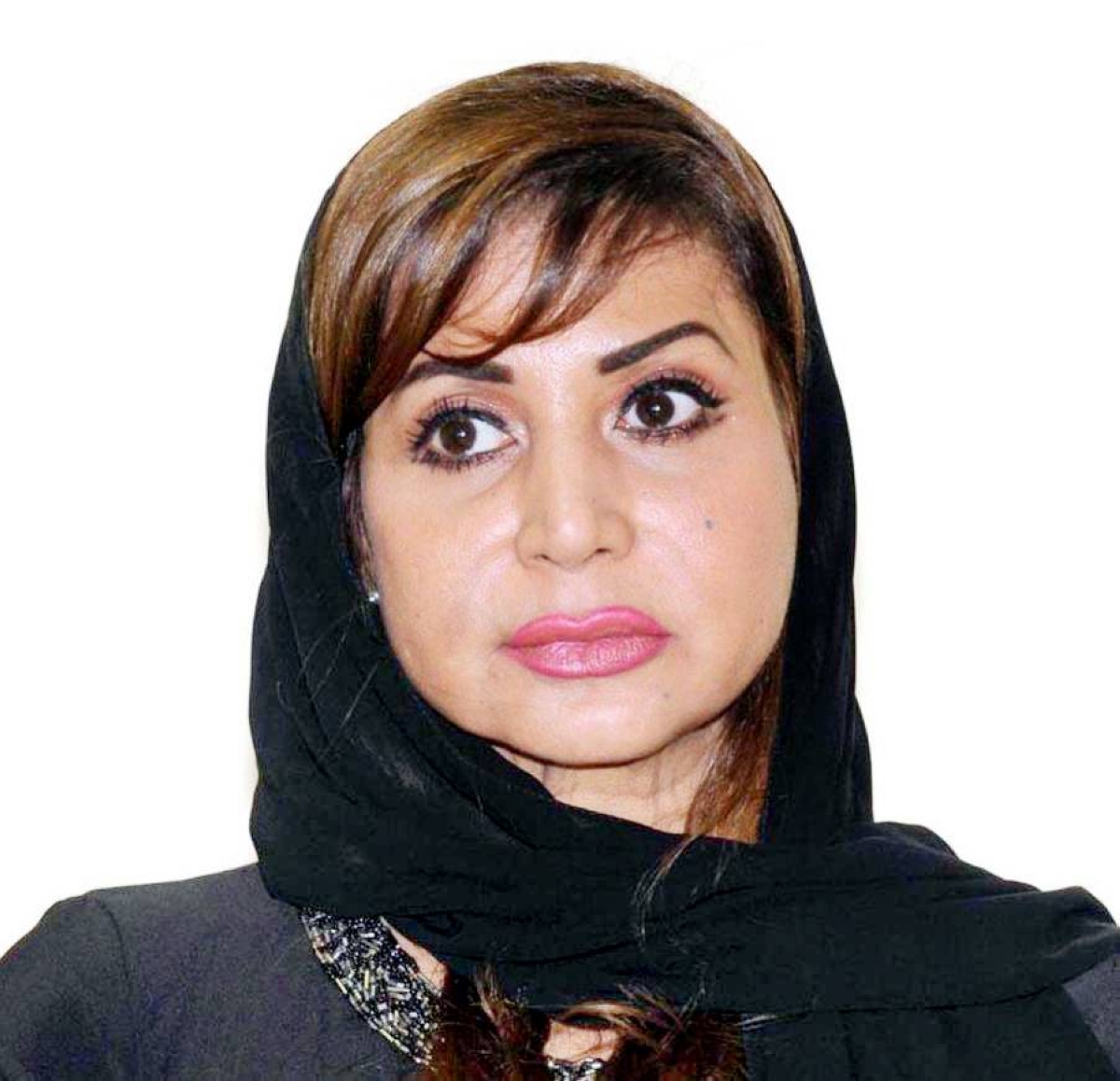
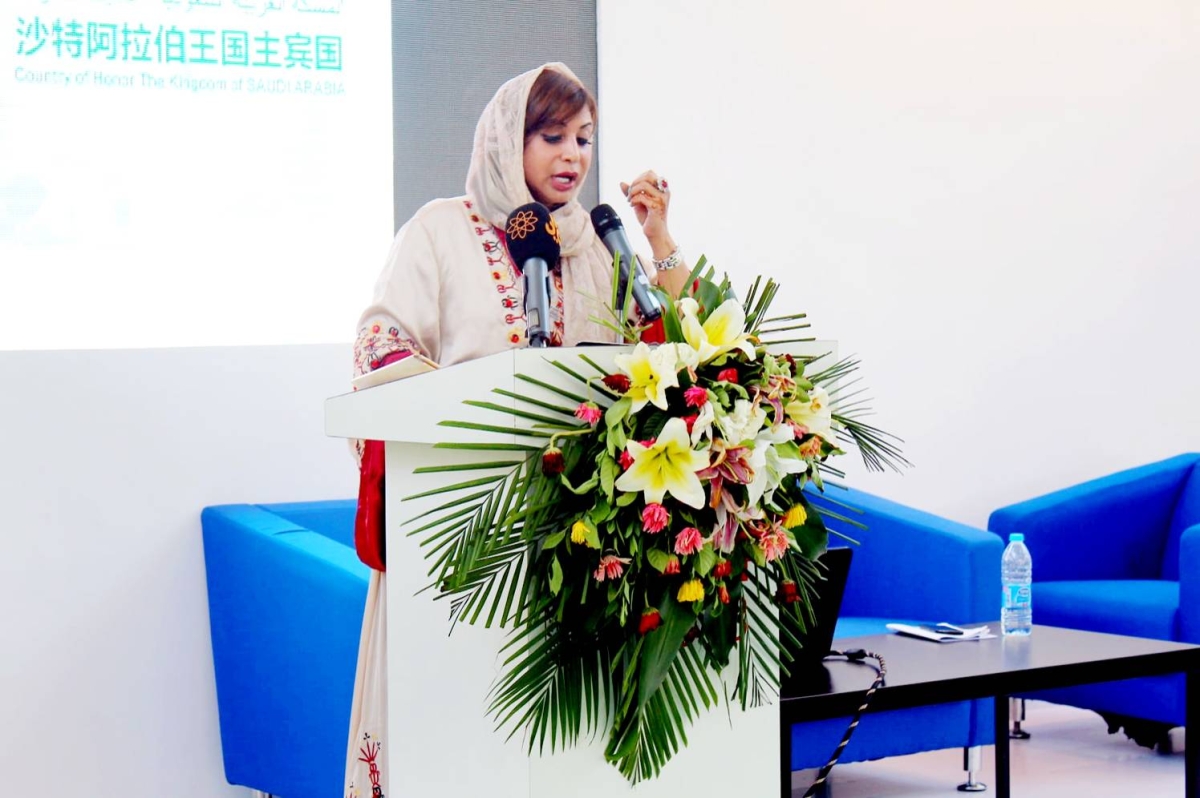
تأتي قصيدة الشاعرة الدكتورة أشجان هندي، بأبهى حُلّةٍ، يزفها نسيمُ البحر المضمّخ أمواج حروفها بدرر المعنى، نصُّها يعبّر عنّها بشفافية نادرة، ففيه من نقائها، وصدق لغتها، وأصالة موسيقاها، ما يعزز حضورها المتفرّد. هي سيّدةُ إلقاء تأسر الألباب، وتأخذ بتلابيب القلب ليحلّق في ملكوت عوالم الحُلم، فيما تقطف الذائقة من زهور أبياتها «ريق غيمٍ بنكهة الليمون» وعندما قال عنها الدكتور غازي القصيبي «الكبيرة المُدهِشة» فهو عنى ما يقول إذ مثل كلامه ليس مجانيّاً، ومثلما كانت «عكاظ» فضاءَ أوّل مصافحةٍ للقارئ مع قصيدتها، ها هي تتكرم لتكون ضيفة هذه المساحة، فإلى نصّ الحوار:
• لماذا الغياب برغم اتساع مساحات الحضور؟
•• الإبداع والكتابة عموماً -خصوصاً الشعر- هو أن تعيش قريباً من الحرائق والأجواء المشحونة! وبعيداً عن الهدوء والسلام وراحة البال، واخترت الابتعاد قليلاً فنعمتُ براحة البال، ولكن طال الغياب. وبالتالي فإن بعض هذا الغياب أنا سببه وأنا كفيلةٌ به، أمّا بعضه الآخر فلا أود الحديث عنه، ولا يعنيني.
• أيُّ أثرٍ للطفولة في تأسيس الوجدان الشعري لدى الشاعرة أشجان هندي؟
•• أدركتُ حقيقة أن الفقد هو صنوان الحياة، فتصالحت مع نفسي، ومع العالم، وسكنتني ولم تزل ذاكرة المكان بكل تفاصيله في «حارة المظلوم» التي وُلدتُ فيها بجدة القديمة، الرائحة والذائقة، والألوان والأصوات، عطر الحارة خصوصاً ذلك الزقاق الذي يحوي مستودعاً للتوابل، عبق أحجار البيوت القديمة إثر المطر، نَفَسُ خشب الرواشين، وزخرفاتها ونمنمات نقوشها، طعم ونكهات الطعام الذي كانت تطهوه جدتي، وقع وفوح قطرات الماء ونحن نرش بها «سطوح» البيت قبيل المغرب، صوت مدفع الإفطار في رمضان، وفرحتنا الغامرة بدخول الشهر الفضيل، مع ترتيبات المنزل المعتادة ممّا يسمّونه «التقشيع» أي قلب السجاجيد على ظهورها ولمّ «المساند» في زاوية من الغرفة طوال شهر رمضان، ثم إعادتها إلى وضعها قبل العيد، فتبدو كالجديدة!، «عصاري» العيد ولون شموسها، فستاني الجديد ويدي الصغيرة وهي تمسك بيد جدي ونحن ذاهبون لصلاة العيد، صوت الراديو يغمر البيت صباحاً ونحن نستعد للذهاب إلى المدرسة. تفاصيل كثيرة لا يسعها المقام، جميعها تجذّرت في وجداني الشعري وأسهمت في تشكيله.
• هل يأتي الشعر بالفطرة أم بالتراكم؟
•• الشعر موهبة في المقام الأول، التراكم والتعلُّم والدورات والبرامج مهمّة لدعم المواهب وصقلها، ولكنها لا تصنع شعراء وشاعرات، بل تؤهّل من لديه موهبة أصيلة وتأخذ بيده. الذكاء الاصطناعي اليوم يستطيع تأليف قصيدة كاملة، وهذا يحدث بالفعل، ولكن كل القصائد المصطنعة والمُتكلَّفة -دون موهبة حقيقية- هي أشبه بهياكل عظمية لا روح فيها. الموهبة هي من تهب القصيدة روحاً، وتمنحها أثراً.
• أين ألقيتِ أو نشرتِ نصّك الأول، وما صدى ردود الأفعال؟
•• أول نصوصي التي نُشرت ولأول مرة كانت لديكم في «عكاظ»؛ التي أمتنّ لها إلى اليوم لإيصال بداياتي الشعرية إلى المتلقي، وأذكر أيضاً أن من أوائل النصوص -إنْ لم يكن أولها- نُشرتْ في «مجلة اقرأ»، ولكنها كانت قصة قصيرة بعنوان «موعد مع الموت»! أمّا أول نص ألقيته فكان في أمسية لنادي جدة الأدبي، بمشاركة شعراء كبار أذكر منهم الشاعرة الإنسانة الدكتورة فوزية أبو خالد، وأحدثت الأمسية ضجةً كبيرةً؛ نتيجة اعتراض فئة على الأمسيات الشعرية في حينه، ولكنها مّرت بسلام، وتجدد عهدي مع مثل هذا الاعتراض في أمسية شاركت فيها بمعرض جدة للكتاب عام 2016، ولحقت ذلك زوابع وتوابع. في المحصّلة هي أمور مضت وانتهت تماماً، ولا يشغلني الحديث عن تفاصيلها.
• ما الذي لا يزال يسكنك من بئر البدايات الأولى، ولم تشعري أنك نجحت في كتابته واستنفاده؟
•• إلى الآن أعدّ نفسي هاوية تملك موهبة، وأعلم أني مُقلّة وشحيحة بحق الطاقة الشعرية التي تسكنني، لا أحب الحديث عن نفسي، ولا أحب الظهور كثيراً. وأتجنّب النشر خشية ألا أُضيف جديداً، وطمعاً في أن يأتي الأفضل الذي يستحق النشر! وهذا الانتظار للأفضل يؤخر الاستفادة من الموهبة.
• كيف تنظرين إلى نبوءة الراحل محمد حسن عوّاد عن تجربتك بأنها ستغدو من أبرز التجارب؟ هل حمّلتك عبء المصادقة على النبوءة؟
•• رحم الله أستاذنا الكبير العوّاد، أي شرف نلته بحسن ظنه في تجربتي الشعرية، وهي في مرحلة انبثاقها حين كنت في بدايات البدايات! ما ذكره الأساتذة الكبار محمد حسن عواد وغازي القصيبي -رحمهما الله- عن تجربتي الشعرية وسام أُعلّقه على شرفة قصائدي وأفخر به. لم أشعر يوماً أن ذلك الشرف الكبير حمّلني عبئاً، بقدر ما أسعدني كيف ينظر الكبار إلى مُنجزي، ودفعني إلى بذل مزيد من الجهد لتطوير تجربتي، وإلى تأمُّل ما أنجزته ومراجعته ونقده باستمرار، ولكني في الوقت ذاته لا أُصادر ذائقة التلقي في المصادقة على ذلك من عدمه. بدأت مشواري بهدوء، وسرت فيه بهدوء، أتلمّس دربي إلى اليوم، وأراجع دائماً ما أنجزته، وما كان يمكنني إنجازه، وما يمكنني إنجازه اليوم. وما قاله هؤلاء الكبار -خصوصاً ما قاله الدكتور القصيبي- بحق منجزي الشعري وإن أزعج بعضهم، فهو ليس مُلزماً للآخرين، ولا مدعاة لجلب العداوات!
• ما شعورك وأنت تسمعين وتقرأين مقولة الشاعر محمد العلي، بأنك شاعرةٌ باقتدار؟
•• حفظ الله المبدع الكبير أستاذنا محمد العلي، هنا فخرٌ آخر أُضيفه إلى ما سبق، وهنا تأكيد على أن مدارس شعرية مختلفة، اتفقت على وصول قصيدتي إلى ذائقتها.
• بماذا تستقبلين مطلع القصيدة؟
•• بلا شيء، القصيدة تأتي وحدها، أو تغيب، وإن غابت.. غابت، ولكنها تعود ما بقيت جذور الموهبة راسخة وجذوة الكتابة مُتّقدة. الشعر زائر استثنائي لا يفرض نفسه عليك، وعاشق نرجسي، إنْ هجرته هجرك، ولن يعود بعدها ليسترضيك.
• هل من طقس للكتابة؟
•• لا طقس، القصيدة هي من تصنع طقسها حين تأتي بغتة، فتشعر وكأنك تنفصل عمّا حولك، مع وعي داخلي بأن قدميك لمّا تزالان على الأرض. لحظة الكتابة غريبة، يصعُب توصيف أجوائها!
• من أول شخص تطلعينه على نصك؟
•• حالياً: أشجان.
• ماذا مثّل لك اختيار قصيدة «البحث عن الآخر» ضمن أجمل 50 قصيدة حُبّ على مدى نصف قرن؟
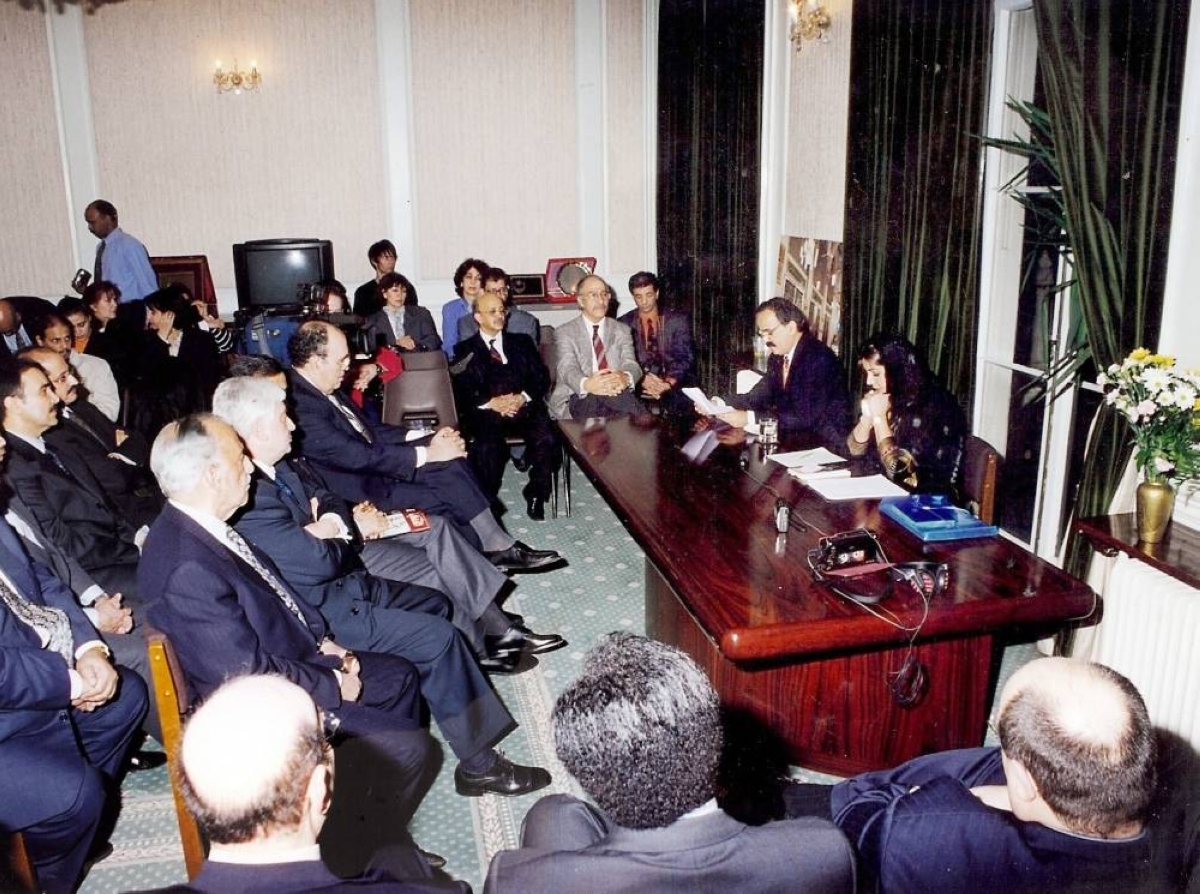
•• فازت القصيدة ضمن مجموعة قصائد كُتبت حول العالم، واُختيرت ضمن أفضل 50 قصيدة كُتبت في الـ50 عاماً الماضية في منافسة عالمية أقيمت عام 2014، لم أتقدم بقصيدتي حينها لأي جهة، فالمسابقة قامت على الترشيح والاختيار، وفُوجئت باتصال خارجي يبلغني بفوزها وبدعوتي لإلقائها في لندن ضمن حفل عالمي كبير أُقيم حينها. بالتأكيد أسعدني جداً وصول إبداعنا الوطني ممثلاً بصوت من وطني الحبيب إلى العالم، بغض النظر أكان صوت أشجان أو سواها.
• ما الذي تحاوله أشجان هندي بقصيدتها، تغيير العالم، أم تجميله، أم شجب القُبح الذي ينتجه؟
••لا نوايا خلف ما أكتب، هكذا وباختصار، والكتابة لدي شغف خارج النوايا والتصنيفات. الشعر لا يُغيّر العالم ولا يجمّله، بل هو -في ما أرى- يتحدث عنه وبواسطته ومن خلاله، ويرصد الفضاء الذي يعيشه الشعراء بعدسة إبداعية، مستفيداً في ذلك من دروس الماضي، ومستنداً على نبض الحاضر، ومستشرفاً للمستقبل. العلم والسياسة والاقتصاد هي من تغيّر العالم وتجعله أجمل، أو أسوأ.
• ما انطباعك عن تعمُّد البعض تحميل النص بحمولات فكرية أو فلسفية أو أيديولوجية؟
•• لهم ما يفعلون! ولكن من «يتعمّد» تحميل نصه الشعري أو الإبداعي -عموماً- بأي حمولة فكرية فهو لا يبدع، بل يتحيّن الفرص! «قضيّة التعمُّد» تُخرج النص من فضاء الإبداع الذي ينافي في جوهره قصديّة و«تعمُّد» تحميل النص بأي حمولة كانت! إنْ كان بعض هذه الحمولات أصيلاً في النص ومن ضمن نسيجه العضوي، فهذا شيء آخر ربما نتفق أو نختلف عليه حسب نوع الحمولة! أمّا الكتابة لمجرد دسّ حمولات فكرية داخل النصوص، فهذا فعل خارج الإبداع!
• بماذا تفسرين حضور المطر والغيم في عناوين قصائدك ومجموعاتك الشعرية؟
•• أحب المطر، رائحته، وصوته، وامتزاجه بالطين، ولون الأرض ورائحتها بمعيّته وبعد هطوله، المطر جمال ونقاء وسلام وخير وهبة عظيمة من الخالق. حضر المطر بوضوح في عناوين دواويني، وكلما توالى هطوله في عناوين الدواوين، أشعر بسعادة، فلا أجمل من رؤية من يحب ما يحبه.
• ما سر التعلّق والتعالق بين نصوصك والفضاء العرفاني؟
•• لا أتفق مع هذا السؤال، ولا أرى هذا التعالق، ولكن للمتلقّي أن يرى ما يراه في النص، فهو يأتي إليه بحمولته الفكرية وبذاكرته القرائية وغيرها، ويفسّره كما يريد هو، لا كما يريد النص بالضرورة، وهذا حق أصيل للمتلقي تدعمه نظرية التلقّي.
• هل تفكرين بلحظة تلقّي المستمع والقارئ لنصك؟ وماذا يخيفك منهما؟
•• كنت أكتب فقط، وأظن أن المتلقي سيفهم بالضرورة ما أعنيه بالضبط، ويفسّره كما أُفسّره، الآن اختلف الأمر، فدور القارئ الذاتي الناقد أصبح أكثر تفعيلاً لديّ اليوم، وأصبحت أكثر حرصاً على إيصال ما أكتب كما أريد له أن يصل قدر الإمكان، إذ لا شيء من حرص الكاتب على إيصال ما يريد قوله قادر على التدخّل في كيفيّة تفسير المتلقي للنص حين يستقبله وهو محمّل بذخيرته الفكرية والاجتماعية واللغوية وغيرها. الكتابة، أو الإبداع عموماً، قيمة إنسانية عُليا تقوم على موهبة أصيلة، تطوّر نفسها، ولا تتعالى على مراجعة ذاتها لتقديم الأفضل، وليس مجرد شغف خارج الزمان والمكان. وفي الوقت ذاته، فإن ممّا يؤسف له في عملية الاستقبال نظر فئة من جمهور التلقي إلى النص الإبداعي وكأنه كتاب تاريخ، أو سيرة ذاتية، تُقدّم إلى جهة توظيف، أو نشرة أخبار، أو نشرة أرصاد جوية، أو سوق أسهم، إذ يُفترض أن يقوموا جميعاً بنقل الحقائق كما هي. علماً بأن بعض نشرات الأخبار، والسير الذاتية وكتب التاريخ لا تنقل الحقائق دائماً!
• متى تشعرين بالرضى عن قصيدتك؟
•• حين أقرأها أول مرة فقط، وبعدها يزول الرضى مع تعدد مرات قراءتي لها، فكل قراءة تالية تأتي ناقدة لما كتبت، وهكذا دواليك، وأصل إلى مرحلة أود معها أن لو استبدلت كذا بكذا، أو لو أضفت أو حذفت كذا وكذا، وهذه مرحلة مؤرّقة بالفعل.
• أي ناقد تعتقدين أنه أنصف تجربتك؟
•• ممّن أنصف تجربتي الشعرية الناقد والمفكّر الكبير الدكتور سعد البازعي؛ الذي أضاف إلى قصيدتي بنقده الموضوعي، وأوصلها إلى القارئ المحلي والعربي، وأيضاً عدة رسائل أكاديمية للدكتوراه والماجستير تناولت شعري وأعملت فيه يد النقد، ووقفت على ما كنت أراه، وما لم أره فيه، وللجميع كل التقدير. كل من كتب عن تجربتي الشعرية بإنصاف وموضوعيّة؛ سواء أكان إيجاباً أو سلباً، أضاف إليّ، إلا من استهدفني من خلال تجربتي ظاناً أن «الشخصنة» رأي نقدي!
• كيف لمست أثر ترجمة نصوصك إلى لغات عالمية؟
•• الترجمة من مفاتيح المعرفة، ووسيلة لتبادل الخبرات وتجسير التواصل الثقافي، فضلاً عن كونها وسيطاً جيداً يُسهم في توسيع دائرة التواصل البشري، والتعريف بالآخر، وتقريب وجهات النظر، وتعميق العلاقات الإنسانية بين البيئات والمجتمعات المختلفة. والعالم اليوم أحوج إلى التواصل والانسجام بعيداً عن الخلافات والحروب، وقريباً من القضايا الإنسانية المشتركة. من أكثر من تعاملت معهم إبداعاً في الترجمة الدكتورة منيرة الغدير؛ التي تتعامل مع ترجمة النصوص بحرفيّة إبداعية، وتحوّلها -من خلال الترجمة- إلى نسخ إبداعية لا تبتعد عن الأصل وإن توشّحت بلغة أخرى، وأجدني محظوظة أنْ ترجمت لي عدّة نصوص نُشرت في كتب ودوريات أجنبية، منها كتاب «ترجمة العالم - في الشعر السعودي المعاصر». أيضاً أجدها فرصة لشكر هيئة الأدب والنشر والترجمة بوزارة الثقافة لتولّيها مشكورة ترجمة ديواني الأول «للحلم رائحة المطر» إلى اللغة الإنجليزية، وسيصدر قريباً بإذن الله.
• أين تكمن قوة الثقافة السعودية في زمن الرؤية؟
•• تكمن في الدعم الحقيقي الذي قدمته رؤية المملكة 2030 بقيادة عرّابها وصانعها ولي العهد الأمير محمد بن سلمان -حفظه الله- لمجالات كثيرة منها الثقافة، التي انتقلت في ظل هذه الرؤية إلى التمكين الحقيقي لدور الثقافة في المجتمع، مع سعيها إلى تحقيق مستويات عالية ومقاييس عالمية مُنافِسة.
• ما الجديد الذي تعدّين له شعراً ونقداً؟
•• جديدي هو ما لا أعلم -إلى الآن- متى سأدفعه للنشر رغم جاهزيّته! لديّ نسخة منقّحة ومزيدة من دواويني السابقة، إضافة إلى ديوان جديد غير منشور، مع وعد لنفسي -يسطع ويخفت- بإرسالها للنشر حتماً. ولعل قصائدي تجد مكاناً شاغراً في زمن الكثرة واتّساع مساحات الحضور، مع تعدد أشكال الحضور الرقمي وتنوّعه في هذا الزمن السريع والمتحوّل، زمن صناعة الشهرة و«المشاهير» والمحتويات الفارغة إلا من الوهم والتفاهة! مع احترامي لأصحاب المحتويات الهادفة.
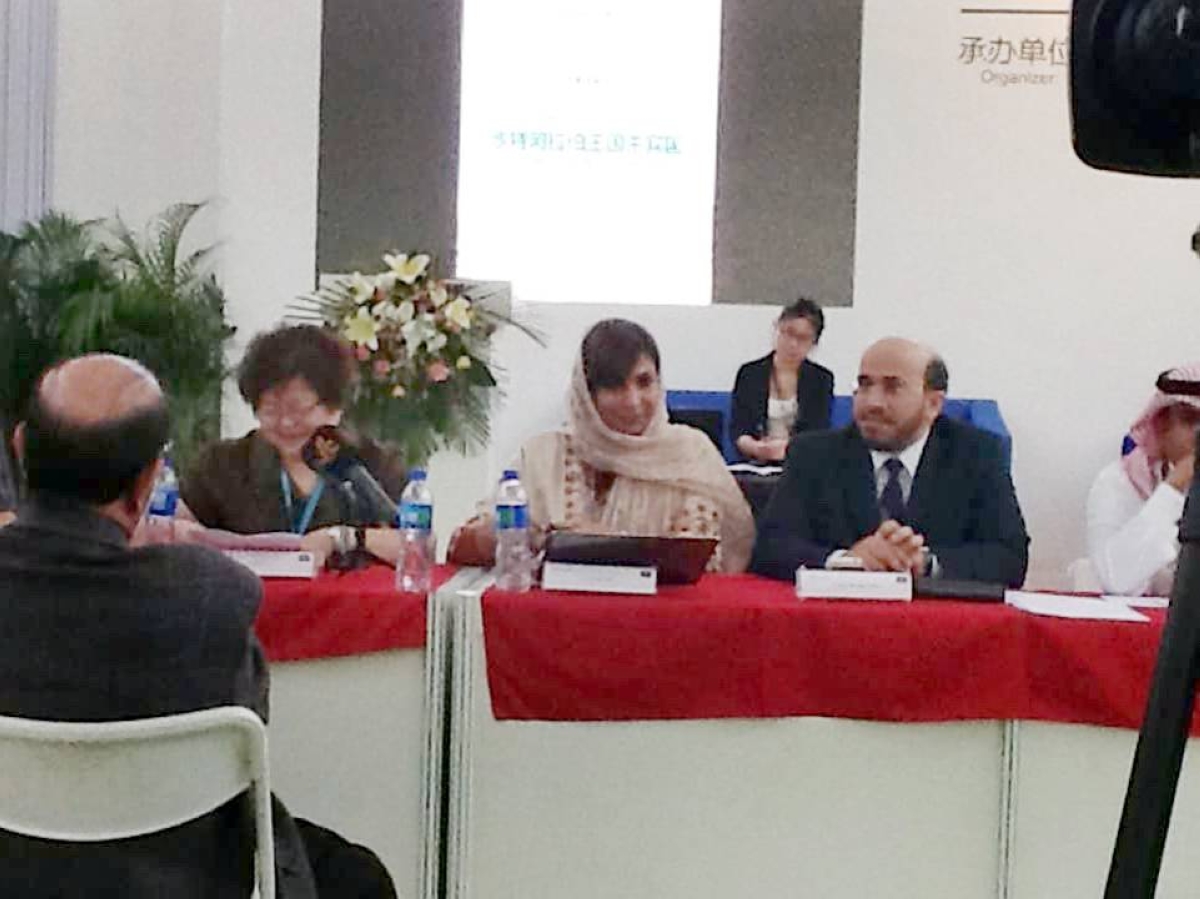
أما على صعيد النقد -شغفي الآخر، أو جناحي الآخر- فيزداد تأملي وانشغالي يوماً بعد يوم بالتأثيرات الكبرى للعالم الرقمي على الإبداع والأجناس الأدبية الثابتة وتحولاتها، ونشوء أجناس جديدة في زمن الإبداع الرقمي الذي أصدرت حوله كتاباً عام 2020، وشاركت أخيراً في الملتقى النقدي الرائد والمهم «ملتقى فضاءات نقدية» بنسخته الأولى التي أُقيمت في العاصمة الرياض ببحث حول الأجناس الأدبية والهوية الرقمية، وهو ممّا نُشر ضمن العدد الأول من الكتاب الذي أصدرته أخيراً جمعية الأدب المهنية بوزارة الثقافة السعودية.
عدّت نفسها من الهواة وأكدت أن الشعر لا يُغيّر العالم ولا يجمّله..
أشجان هندي: الإبداع عيشٌ بقرب الحرائق.. والقصائد المصطنعة هياكل عظمية !
12 سبتمبر 2025 - 04:07
|
آخر تحديث 12 سبتمبر 2025 - 04:07


تابع قناة عكاظ على الواتساب
حاورها: علي الرباعي Al_ARobai@
The poem by Dr. Ashjan Hindi comes in its most beautiful form, carried by the sea breeze, adorned with the waves of its letters like pearls of meaning. Her text expresses her with rare transparency; it embodies purity, sincerity of language, and the authenticity of its music, which enhances her unique presence. She is a captivating speaker who enchants minds and takes hold of hearts, allowing them to soar in the realms of dreams, while the taste buds pick from the flowers of her verses "the flavor of rain with a hint of lemon." When Dr. Ghazi Al-Qusaibi referred to her as "the amazing great one," he meant what he said, as his words are not given lightly. Just as "Okaz" was the first space for the reader's encounter with her poem, she graciously returns to be a guest in this space. Here is the text of the dialogue:
• Why the absence despite the vastness of presence?
•• Creativity and writing in general—especially poetry—require living close to fires and charged atmospheres! Away from calmness, peace, and tranquility. I chose to step back a little and enjoyed peace of mind, but the absence became prolonged. Therefore, part of this absence is my doing, and I am responsible for it, while the other part I prefer not to discuss, as it does not concern me.
• What impact did childhood have on establishing the poetic sensibility of poet Ashjan Hindi?
•• I realized that loss is a twin of life, so I reconciled with myself and the world. The memory of the place, with all its details, still resides in me, in "Al-Mazloom neighborhood" where I was born in Old Jeddah—the scent and taste, colors and sounds, the fragrance of the neighborhood, especially that alley containing a spice warehouse, the aroma of the old houses after the rain, the breath of the wooden "rawashin," its decorations and intricate carvings, the flavors of the food my grandmother used to cook, the sound and scent of water droplets as we sprinkle the "roofs" of the house before sunset, the sound of the cannon for breaking the fast during Ramadan, and our overwhelming joy at the arrival of the holy month, along with the usual household arrangements known as "taqshia," meaning flipping the carpets upside down and gathering the "cushions" in a corner of the room throughout Ramadan, then returning them to their original position before Eid, making them look brand new! The "Eid juices" and the color of its suns, my new dress, and my small hand holding my grandfather's as we head to the Eid prayer, the sound of the radio filling the house in the morning as we prepare to go to school. Many details that cannot be contained here, all of which are deeply rooted in my poetic sensibility and contributed to its formation.
• Does poetry come instinctively or through accumulation?
•• Poetry is primarily a talent; accumulation, learning, courses, and programs are important to support and refine talents, but they do not create poets. They qualify those with genuine talent and guide them. Today, artificial intelligence can compose a complete poem, and this is indeed happening. However, all artificial and contrived poems—without true talent—are like skeletons without a soul. Talent is what gives the poem a spirit and grants it impact.
• Where did you recite or publish your first text, and what was the response?
•• My first published texts were with you in "Okaz"; I am still grateful to it for introducing my poetic beginnings to the audience. I also remember that one of the first texts—if not the first—was published in "Iqraa Magazine," but it was a short story titled "An Appointment with Death"! As for the first text I recited, it was at an evening for the Jeddah Literary Club, alongside prominent poets, including the human poet Dr. Fawzia Abu Khalid. The evening created a significant stir due to objections from a group against poetry evenings at the time, but it passed peacefully. I encountered similar objections again at an evening I participated in during the Jeddah Book Fair in 2016, followed by storms and repercussions. Ultimately, these matters have passed and are completely over, and I am not concerned with discussing their details.
• What still resides in you from the well of early beginnings, and do you not feel you have succeeded in writing and exhausting it?
•• Until now, I consider myself an amateur with a talent. I know that I am sparse and stingy regarding the poetic energy within me. I do not like to talk about myself, nor do I enjoy appearing frequently. I avoid publishing for fear of not adding anything new, and in hopes that something better deserving of publication will come! This waiting for the better delays the benefit from the talent.
• How do you view the late Muhammad Hassan Awad's prophecy about your experience that it would become one of the most prominent experiences? Did it burden you with the responsibility of validating the prophecy?
•• May God have mercy on our great teacher Awad. What an honor I received from his good opinion of my poetic experience, which was in its nascent stage when I was at the very beginning! What the great professors Muhammad Hassan Awad and Ghazi Al-Qusaibi—may God have mercy on them—said about my poetic experience is a medal I hang on the balcony of my poems and take pride in. I have never felt that this great honor burdened me; rather, it delighted me to see how the great ones perceive my achievements and motivated me to exert more effort to develop my experience, to contemplate what I have accomplished, and to continuously review and critique it. However, at the same time, I do not impose the audience's taste in validating or not validating that. I began my journey quietly and walked through it calmly, still feeling my way today, and I always review what I have accomplished, what I could have accomplished, and what I can accomplish today. What these great ones said—especially what Dr. Al-Qusaibi said—about my poetic achievement, even if it disturbed some, is not binding on others, nor is it a reason to incite enmity!
• How do you feel when you hear and read the statement of poet Muhammad Al-Ali that you are a poet of great ability?
•• May God protect the great creator, our teacher Muhammad Al-Ali. Here is another pride I add to what has come before, and here is a confirmation that different poetic schools agree on the reception of my poem.
• How do you receive the beginning of a poem?
•• With nothing, the poem comes on its own, or it disappears. If it disappears... it disappears, but it returns as long as the roots of talent are deep and the spark of writing is ignited. Poetry is an exceptional visitor that does not impose itself on you, and a narcissistic lover; if you abandon it, it will abandon you, and it will not return afterward to seek your forgiveness.
• Is there a ritual for writing?
•• There is no ritual; the poem creates its own atmosphere when it comes suddenly, making you feel as if you are separating from everything around you, while being internally aware that your feet are still on the ground. The moment of writing is strange; it is difficult to describe its atmosphere!
• Who is the first person you share your text with?
•• Currently: Ashjan.
• What did the selection of the poem "Searching for the Other" among the 50 most beautiful love poems over half a century mean to you?
•• The poem won among a group of poems written around the world and was chosen as one of the 50 best poems written in the past 50 years in a global competition held in 2014. I did not submit my poem to any entity at that time; the competition was based on nomination and selection. I was surprised by an external call informing me of its victory and inviting me to recite it in London at a grand global event held at that time. I was certainly very happy that our national creativity, represented by a voice from my beloved homeland, reached the world, regardless of whether it was Ashjan's voice or someone else's.
• What does Ashjan Hindi attempt with her poetry: to change the world, beautify it, or condemn the ugliness it produces?
•• There are no intentions behind what I write, simply put, and writing for me is a passion beyond intentions and classifications. Poetry does not change the world or beautify it; rather, in my view, it speaks about it and through it, capturing the space that poets live in with a creative lens, benefiting from the lessons of the past, relying on the pulse of the present, and anticipating the future. Knowledge, politics, and economics are what change the world and make it more beautiful or worse.
• What is your impression of some people's deliberate attempts to load the text with intellectual, philosophical, or ideological burdens?
•• They can do as they please! However, anyone who "deliberately" loads their poetic or creative text—with any intellectual burden—is not creating; they are merely seizing opportunities! The "deliberation issue" removes the text from the creative space that fundamentally contradicts the intentionality and "deliberation" of loading the text with any burden! If some of these burdens are authentic in the text and part of its organic fabric, that is another matter we may agree or disagree on depending on the type of burden! As for writing merely to insert intellectual burdens into texts, that is an act outside of creativity!
• What do you attribute the presence of rain and clouds in the titles of your poems and poetry collections?
•• I love rain, its scent, its sound, its mingling with mud, and the color and scent of the earth with it and after its fall. Rain is beauty, purity, peace, goodness, and a great gift from the Creator. Rain has clearly appeared in the titles of my collections, and every time it appears in the titles, I feel happiness, for there is nothing more beautiful than seeing someone love what they love.
• What is the secret of the attachment and interconnection between your texts and the mystical space?
•• I do not agree with this question, nor do I see this interconnection. However, the recipient can see what they see in the text; they come to it with their intellectual burdens and reading memory, among other things, and interpret it as they wish, not necessarily as the text intends, which is a fundamental right of the recipient supported by the theory of reception.
• Do you think about the moment of reception by the listener and reader of your text? What frightens you about them?
•• I used to write only, thinking that the recipient would necessarily understand exactly what I mean and interpret it as I interpret it. Now, the matter has changed; the role of the self-critical reader has become more activated for me today, and I have become more keen on conveying what I write as I want it to reach as much as possible, as nothing from the writer's concern to convey what they want to say can interfere with how the recipient interprets the text when they receive it, loaded with their intellectual, social, linguistic, and other resources. Writing, or creativity in general, is a high human value based on genuine talent that develops itself and does not elevate itself above self-review to present the best, not just a passion outside of time and space. At the same time, it is regrettable that some audiences view the creative text as if it were a history book, or a biography, presented to a functional entity, or a news bulletin, or a weather report, or a stock market update, assuming they should all convey the facts as they are. Knowing that some news bulletins, biographies, and history books do not always convey the facts!
• When do you feel satisfied with your poem?
•• Only when I read it for the first time; after that, satisfaction fades with each subsequent reading. Each following reading critiques what I have written, and so on, until I reach a stage where I wish I had replaced this with that, or added or removed this and that, and this is indeed a troubling stage.
• Which critic do you think has fairly evaluated your experience?
•• Among those who have fairly evaluated my poetic experience is the great critic and thinker Dr. Saad Al-Bazai, who added to my poem with his objective critique and conveyed it to the local and Arab reader. Additionally, several academic theses for master's and doctoral degrees have addressed my poetry and critically engaged with it, highlighting what I saw and what I did not see in it, and I appreciate everyone. Anyone who wrote about my poetic experience with fairness and objectivity—whether positively or negatively—added to me, except for those who targeted me through my experience, thinking that "personalization" is a critical opinion!
• How have you felt the impact of translating your texts into global languages?
•• Translation is one of the keys to knowledge and a means of exchanging experiences and bridging cultural communication, in addition to being a good medium that contributes to expanding the circle of human communication, introducing the other, bringing perspectives closer, and deepening human relationships between different environments and communities. Today, the world is in greater need of communication and harmony away from conflicts and wars, and closer to shared human issues. Among those I have worked with creatively in translation is Dr. Munira Al-Ghadeer, who approaches translating texts with creative professionalism, transforming them—through translation—into creative copies that do not stray from the original, even if they are adorned with another language. I find myself fortunate that she translated several texts for me that were published in foreign books and journals, including the book "Translating the World - In Contemporary Saudi Poetry." I also find it an opportunity to thank the Literature, Publishing, and Translation Commission at the Ministry of Culture for kindly taking on the translation of my first collection "The Scent of Rain" into English, which will be released soon, God willing.
• Where does the strength of Saudi culture lie in the era of Vision 2030?
•• It lies in the genuine support provided by the Kingdom's Vision 2030, led by its architect and creator, Crown Prince Mohammed bin Salman—may God protect him—to many fields, including culture, which has transitioned under this vision to a true empowerment of culture's role in society, striving to achieve high levels and competitive global standards.
• What new projects are you preparing in poetry and criticism?
•• My new work is what I do not yet know when I will push for publication, despite its readiness! I have a revised and expanded version of my previous collections, in addition to a new unpublished collection, with a promise to myself—flickering and fading—to send it for publication for sure. Perhaps my poems will find a vacant space in this time of abundance and the vastness of presence, with the multiplicity of digital forms of presence and their diversity in this fast and transforming era, the era of fame and "celebrities" and empty content except for illusion and triviality! With all due respect to those with purposeful content.
As for criticism—my other passion, or my other wing—I find my contemplation and preoccupation increasing day by day with the major impacts of the digital world on creativity and established literary genres and their transformations, and the emergence of new genres in the era of digital creativity, about which I published a book in 2020. I also recently participated in the pioneering and important critical forum "Critical Spaces Forum" in its first edition held in the capital, Riyadh, with a research paper on literary genres and digital identity, which was published in the first issue of the book recently released by the Professional Literature Association at the Saudi Ministry of Culture.
• Why the absence despite the vastness of presence?
•• Creativity and writing in general—especially poetry—require living close to fires and charged atmospheres! Away from calmness, peace, and tranquility. I chose to step back a little and enjoyed peace of mind, but the absence became prolonged. Therefore, part of this absence is my doing, and I am responsible for it, while the other part I prefer not to discuss, as it does not concern me.
• What impact did childhood have on establishing the poetic sensibility of poet Ashjan Hindi?
•• I realized that loss is a twin of life, so I reconciled with myself and the world. The memory of the place, with all its details, still resides in me, in "Al-Mazloom neighborhood" where I was born in Old Jeddah—the scent and taste, colors and sounds, the fragrance of the neighborhood, especially that alley containing a spice warehouse, the aroma of the old houses after the rain, the breath of the wooden "rawashin," its decorations and intricate carvings, the flavors of the food my grandmother used to cook, the sound and scent of water droplets as we sprinkle the "roofs" of the house before sunset, the sound of the cannon for breaking the fast during Ramadan, and our overwhelming joy at the arrival of the holy month, along with the usual household arrangements known as "taqshia," meaning flipping the carpets upside down and gathering the "cushions" in a corner of the room throughout Ramadan, then returning them to their original position before Eid, making them look brand new! The "Eid juices" and the color of its suns, my new dress, and my small hand holding my grandfather's as we head to the Eid prayer, the sound of the radio filling the house in the morning as we prepare to go to school. Many details that cannot be contained here, all of which are deeply rooted in my poetic sensibility and contributed to its formation.
• Does poetry come instinctively or through accumulation?
•• Poetry is primarily a talent; accumulation, learning, courses, and programs are important to support and refine talents, but they do not create poets. They qualify those with genuine talent and guide them. Today, artificial intelligence can compose a complete poem, and this is indeed happening. However, all artificial and contrived poems—without true talent—are like skeletons without a soul. Talent is what gives the poem a spirit and grants it impact.
• Where did you recite or publish your first text, and what was the response?
•• My first published texts were with you in "Okaz"; I am still grateful to it for introducing my poetic beginnings to the audience. I also remember that one of the first texts—if not the first—was published in "Iqraa Magazine," but it was a short story titled "An Appointment with Death"! As for the first text I recited, it was at an evening for the Jeddah Literary Club, alongside prominent poets, including the human poet Dr. Fawzia Abu Khalid. The evening created a significant stir due to objections from a group against poetry evenings at the time, but it passed peacefully. I encountered similar objections again at an evening I participated in during the Jeddah Book Fair in 2016, followed by storms and repercussions. Ultimately, these matters have passed and are completely over, and I am not concerned with discussing their details.
• What still resides in you from the well of early beginnings, and do you not feel you have succeeded in writing and exhausting it?
•• Until now, I consider myself an amateur with a talent. I know that I am sparse and stingy regarding the poetic energy within me. I do not like to talk about myself, nor do I enjoy appearing frequently. I avoid publishing for fear of not adding anything new, and in hopes that something better deserving of publication will come! This waiting for the better delays the benefit from the talent.
• How do you view the late Muhammad Hassan Awad's prophecy about your experience that it would become one of the most prominent experiences? Did it burden you with the responsibility of validating the prophecy?
•• May God have mercy on our great teacher Awad. What an honor I received from his good opinion of my poetic experience, which was in its nascent stage when I was at the very beginning! What the great professors Muhammad Hassan Awad and Ghazi Al-Qusaibi—may God have mercy on them—said about my poetic experience is a medal I hang on the balcony of my poems and take pride in. I have never felt that this great honor burdened me; rather, it delighted me to see how the great ones perceive my achievements and motivated me to exert more effort to develop my experience, to contemplate what I have accomplished, and to continuously review and critique it. However, at the same time, I do not impose the audience's taste in validating or not validating that. I began my journey quietly and walked through it calmly, still feeling my way today, and I always review what I have accomplished, what I could have accomplished, and what I can accomplish today. What these great ones said—especially what Dr. Al-Qusaibi said—about my poetic achievement, even if it disturbed some, is not binding on others, nor is it a reason to incite enmity!
• How do you feel when you hear and read the statement of poet Muhammad Al-Ali that you are a poet of great ability?
•• May God protect the great creator, our teacher Muhammad Al-Ali. Here is another pride I add to what has come before, and here is a confirmation that different poetic schools agree on the reception of my poem.
• How do you receive the beginning of a poem?
•• With nothing, the poem comes on its own, or it disappears. If it disappears... it disappears, but it returns as long as the roots of talent are deep and the spark of writing is ignited. Poetry is an exceptional visitor that does not impose itself on you, and a narcissistic lover; if you abandon it, it will abandon you, and it will not return afterward to seek your forgiveness.
• Is there a ritual for writing?
•• There is no ritual; the poem creates its own atmosphere when it comes suddenly, making you feel as if you are separating from everything around you, while being internally aware that your feet are still on the ground. The moment of writing is strange; it is difficult to describe its atmosphere!
• Who is the first person you share your text with?
•• Currently: Ashjan.
• What did the selection of the poem "Searching for the Other" among the 50 most beautiful love poems over half a century mean to you?
•• The poem won among a group of poems written around the world and was chosen as one of the 50 best poems written in the past 50 years in a global competition held in 2014. I did not submit my poem to any entity at that time; the competition was based on nomination and selection. I was surprised by an external call informing me of its victory and inviting me to recite it in London at a grand global event held at that time. I was certainly very happy that our national creativity, represented by a voice from my beloved homeland, reached the world, regardless of whether it was Ashjan's voice or someone else's.
• What does Ashjan Hindi attempt with her poetry: to change the world, beautify it, or condemn the ugliness it produces?
•• There are no intentions behind what I write, simply put, and writing for me is a passion beyond intentions and classifications. Poetry does not change the world or beautify it; rather, in my view, it speaks about it and through it, capturing the space that poets live in with a creative lens, benefiting from the lessons of the past, relying on the pulse of the present, and anticipating the future. Knowledge, politics, and economics are what change the world and make it more beautiful or worse.
• What is your impression of some people's deliberate attempts to load the text with intellectual, philosophical, or ideological burdens?
•• They can do as they please! However, anyone who "deliberately" loads their poetic or creative text—with any intellectual burden—is not creating; they are merely seizing opportunities! The "deliberation issue" removes the text from the creative space that fundamentally contradicts the intentionality and "deliberation" of loading the text with any burden! If some of these burdens are authentic in the text and part of its organic fabric, that is another matter we may agree or disagree on depending on the type of burden! As for writing merely to insert intellectual burdens into texts, that is an act outside of creativity!
• What do you attribute the presence of rain and clouds in the titles of your poems and poetry collections?
•• I love rain, its scent, its sound, its mingling with mud, and the color and scent of the earth with it and after its fall. Rain is beauty, purity, peace, goodness, and a great gift from the Creator. Rain has clearly appeared in the titles of my collections, and every time it appears in the titles, I feel happiness, for there is nothing more beautiful than seeing someone love what they love.
• What is the secret of the attachment and interconnection between your texts and the mystical space?
•• I do not agree with this question, nor do I see this interconnection. However, the recipient can see what they see in the text; they come to it with their intellectual burdens and reading memory, among other things, and interpret it as they wish, not necessarily as the text intends, which is a fundamental right of the recipient supported by the theory of reception.
• Do you think about the moment of reception by the listener and reader of your text? What frightens you about them?
•• I used to write only, thinking that the recipient would necessarily understand exactly what I mean and interpret it as I interpret it. Now, the matter has changed; the role of the self-critical reader has become more activated for me today, and I have become more keen on conveying what I write as I want it to reach as much as possible, as nothing from the writer's concern to convey what they want to say can interfere with how the recipient interprets the text when they receive it, loaded with their intellectual, social, linguistic, and other resources. Writing, or creativity in general, is a high human value based on genuine talent that develops itself and does not elevate itself above self-review to present the best, not just a passion outside of time and space. At the same time, it is regrettable that some audiences view the creative text as if it were a history book, or a biography, presented to a functional entity, or a news bulletin, or a weather report, or a stock market update, assuming they should all convey the facts as they are. Knowing that some news bulletins, biographies, and history books do not always convey the facts!
• When do you feel satisfied with your poem?
•• Only when I read it for the first time; after that, satisfaction fades with each subsequent reading. Each following reading critiques what I have written, and so on, until I reach a stage where I wish I had replaced this with that, or added or removed this and that, and this is indeed a troubling stage.
• Which critic do you think has fairly evaluated your experience?
•• Among those who have fairly evaluated my poetic experience is the great critic and thinker Dr. Saad Al-Bazai, who added to my poem with his objective critique and conveyed it to the local and Arab reader. Additionally, several academic theses for master's and doctoral degrees have addressed my poetry and critically engaged with it, highlighting what I saw and what I did not see in it, and I appreciate everyone. Anyone who wrote about my poetic experience with fairness and objectivity—whether positively or negatively—added to me, except for those who targeted me through my experience, thinking that "personalization" is a critical opinion!
• How have you felt the impact of translating your texts into global languages?
•• Translation is one of the keys to knowledge and a means of exchanging experiences and bridging cultural communication, in addition to being a good medium that contributes to expanding the circle of human communication, introducing the other, bringing perspectives closer, and deepening human relationships between different environments and communities. Today, the world is in greater need of communication and harmony away from conflicts and wars, and closer to shared human issues. Among those I have worked with creatively in translation is Dr. Munira Al-Ghadeer, who approaches translating texts with creative professionalism, transforming them—through translation—into creative copies that do not stray from the original, even if they are adorned with another language. I find myself fortunate that she translated several texts for me that were published in foreign books and journals, including the book "Translating the World - In Contemporary Saudi Poetry." I also find it an opportunity to thank the Literature, Publishing, and Translation Commission at the Ministry of Culture for kindly taking on the translation of my first collection "The Scent of Rain" into English, which will be released soon, God willing.
• Where does the strength of Saudi culture lie in the era of Vision 2030?
•• It lies in the genuine support provided by the Kingdom's Vision 2030, led by its architect and creator, Crown Prince Mohammed bin Salman—may God protect him—to many fields, including culture, which has transitioned under this vision to a true empowerment of culture's role in society, striving to achieve high levels and competitive global standards.
• What new projects are you preparing in poetry and criticism?
•• My new work is what I do not yet know when I will push for publication, despite its readiness! I have a revised and expanded version of my previous collections, in addition to a new unpublished collection, with a promise to myself—flickering and fading—to send it for publication for sure. Perhaps my poems will find a vacant space in this time of abundance and the vastness of presence, with the multiplicity of digital forms of presence and their diversity in this fast and transforming era, the era of fame and "celebrities" and empty content except for illusion and triviality! With all due respect to those with purposeful content.
As for criticism—my other passion, or my other wing—I find my contemplation and preoccupation increasing day by day with the major impacts of the digital world on creativity and established literary genres and their transformations, and the emergence of new genres in the era of digital creativity, about which I published a book in 2020. I also recently participated in the pioneering and important critical forum "Critical Spaces Forum" in its first edition held in the capital, Riyadh, with a research paper on literary genres and digital identity, which was published in the first issue of the book recently released by the Professional Literature Association at the Saudi Ministry of Culture.


