- بدايتي كانت هادئة كأنها تطرق الباب على استحياء
- أول مرة أمسكت فيها الميكروفون كانت في المدرسة
- الثنائية في الشعر اتحاد فكري وروحي بين شاعرين
- الحفلة التي جمعتني بالراحل مسفر بن حواش علامة فارقة
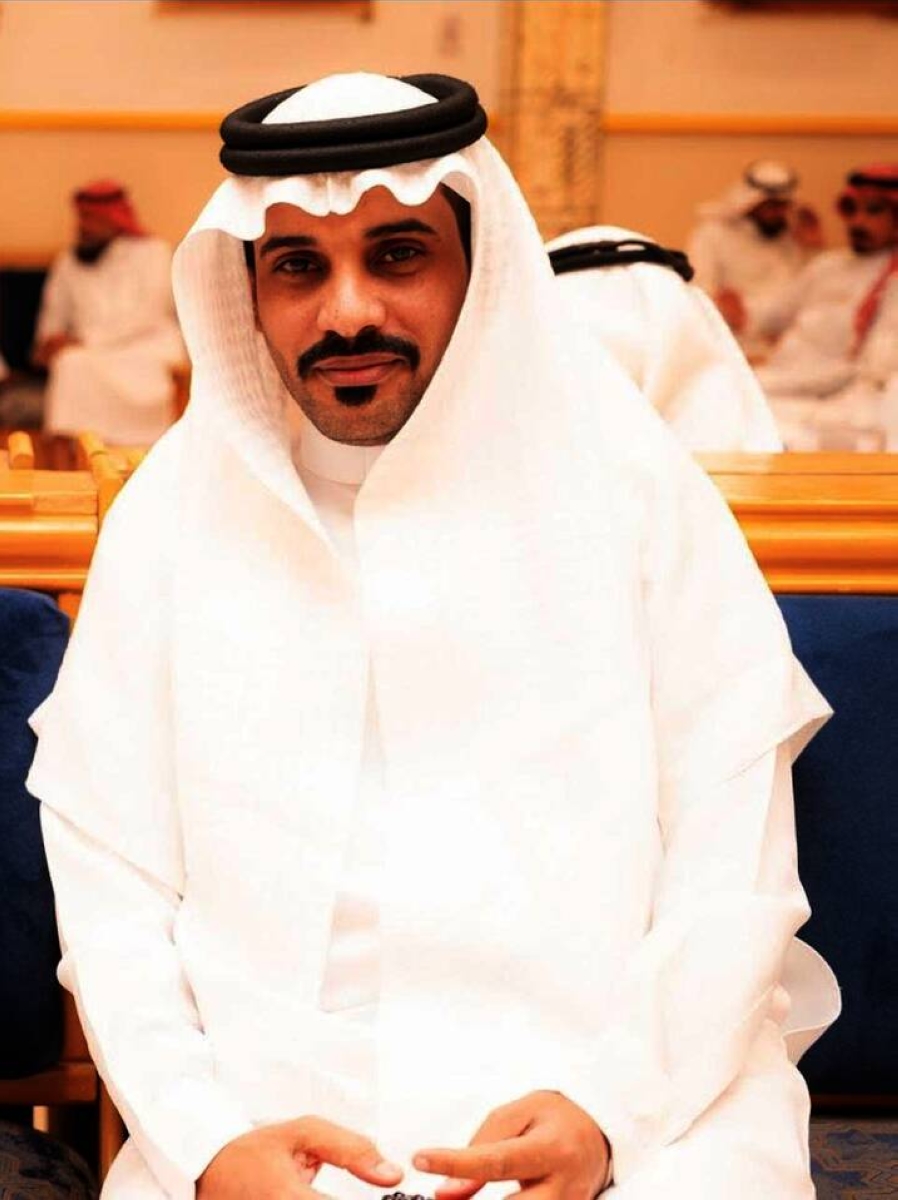
علي بن عبدالله بن هشبول المنتشري، كما يقول عن نفسه: «أنا ابن قرية غرست في نفسي قيم الصبر والفخر والشموخ، أخذت عن والدي، الذي كان مولعاً بشعر العرضة، حب الصفوف، ورهبة الميدان، واحترام الكلمة». ويعمل معلماً وأكاديميّاً يحمل مؤهل الماجستير في الإرشاد النفسي، من مواليد محافظة العرضيات، وخلف هذه التعريفات الرسمية شاعر يجيد قراءة المواقف، ويترجمها في قصائد تلامس ذائقة جماهير العرضة.
أتعلم من الناس ومن صمتهم• متى شعرت أن داخلك شاعر؟
•• ذلك لم يكن اكتشافاً مفاجئاً، بل كان تراكماً لنبضات صغيرة؛ صفوف تهتز على وقع الطبول، أصوات الشعراء وهي تتناوب بين الصخب والهدوء، واستعراض الرجال في الصف بكل شموخ وفخر. من مراحل العمر الأولي وأنا أشعر بأن شيئاً في داخلي ينحاز إلى هذا الإيقاع، وإلى هذا الفلكلور الذي يختصر هوية المكان والزمان.
• متى كانت انطلاقتك في شعر العرضة؟
•• لم تكن البداية صاخبة، بل كانت هادئة كأنها تطرق الباب على استحياء. أول مرة أمسكت فيها الميكروفون كانت على المسرح المدرسي، ولم أكن أتصور أن تلك اللحظة ستصبح نواة لرحلة طويلة. ثم جاء دعم القبيلة مشايخَ وأفراداً، وكلمات التشجيع من الشعراء الكبار، فكبرت التجربة، وبدأ اسمي يتردد في الميادين. ومع كل حضور كنت أتعلم؛ ليس فقط من الشعر، بل من الناس، ومن نظراتهم، ومن ردودهم، ومن صمتهم أيضاً.
لستُ ضد مشاركة الضيوف• كيف ترى ساحة العرضة؟ وهل تشهد صراعات؟
•• هي ميدان للفرح والاعتزاز، لكنها- مثل أي ميدان- لا تخلو من منافسة وحساسية. والصراعات الشعرية ليست أمراً جديداً، فهي امتداد لإرث قديم منذ عصر صدر الإسلام، إذ كان الشعراء يتبارون في الفخر والهجاء، وتجلّت في أبهى صورها مع شعراء النقائض. اليوم البقاء في الساحة ليس فقط لمن يمتلك أجمل القصائد، بل لمن يحسن قراءة المواقف، ويفهم الناس قبل أن يخاطبهم.
• في العرضيات، لا يبدو للشعراء المحليين سيطرة كما في مناطق أخرى، لماذا؟
•• المسألة ليست فقدان موهبة، بل فقدان التوافق. أحياناً نفتقد أن نكون على قلب واحد، فنترك المجال لغيرنا ليأخذ مكاننا. والشعراء لهم دور كبير في التقليل من حيوية الميدان بابتعادهم عن الحوار والنقاش الشعري الجاد ولا بد من تفعيل هذا الدور حتى يكون لنا حضورنا الذي يعوض استقطاب شعراء من خارج المنطقة. لست ضد مشاركة الضيوف، لكنني أرفض أن يكون ذلك على حساب شعراء العرضيات. الأمر يحتاج إلى وعي جماعي من الشعراء ومن المشايخ والقبائل، حتى تستعيد الساحة بريقها المحلي دون أن تنغلق على نفسها.
ابحث عن صوتك الذي لا يشبهه أحد• هل شكّلتَ ثنائيات شعرية؟
•• الثنائية في الشعر هي اتحاد فكري وروحي بين شاعرين، إذا انسجم طرفاه منح الساحة لوناً جديداً. وقد كان لي تجارب ناجحة، أبرزها مع الشاعر الكبير رمضان المنتشري الذي رسم لي بخبرته خارطة الساحة الشعرية، وأيضاً الثنائية الأطول عمراً والأكثر تفاعلاً مع الجمهور التي لا تزال كانت مع الشاعر صويلح المنتشري، إذ قدمنا للميدان حضوراً مختلفاً يجد فيه الجمهور المتعة والتجديد.
• هل تأثرت بشاعر بعينه؟
•• أحب الاستماع للعديد من الشعراء، لكنني أؤمن أن الشاعر إن فقد بصمته الخاصة صار ظلاً لغيره. التأثر مرحلة طبيعية، لكن الهدف أن تجد صوتك الذي لا يشبه أحد.
• حفلة لا تنساها..
•• كثيرة هي الحفلات التي تركت أثراً في الذاكرة، لكن تبقى إحدى الحفلات التي جمعتني بالشاعر الراحل مسفر بن حواش- رحمه الله- علامة فارقة. كانت اختباراً صعباً، شعرت حينها أن شدته معي محاولة لإقصائي، لكنني مع مرور الوقت أدركت أنها كانت محاولة لصقلي، وهذا ما يفعله الكبار حين يرون فيك ما لا تراه في نفسك.
- My beginning was quiet, as if it were shyly knocking on the door.
- The first time I held the microphone was at school
- The duality in poetry is an intellectual and spiritual union between two poets.
- The event that brought me together with the late Musfar bin Hawash was a turning point.
Ali bin Abdullah bin Hashboul Al-Muntashiri, as he describes himself: "I am the son of a village that instilled in me the values of patience, pride, and dignity, which I inherited from my father, who was passionate about the poetry of the ardha, a love for the ranks, the awe of the arena, and respect for the word." He works as a teacher and academic, holding a master's degree in psychological counseling, born in Al-Ardiyat Governorate. Behind these official definitions lies a poet who excels at reading situations and translating them into verses that resonate with the audience's taste for ardha.
I learn from people and their silence• When did you feel that there was a poet inside you?
•• That was not a sudden discovery, but rather a culmination of small pulses; rows vibrating to the sound of drums, the voices of poets alternating between noise and calm, and the display of men in the ranks with all dignity and pride. From the early stages of my life, I felt that something inside me was inclined towards this rhythm and this folklore that encapsulates the identity of place and time.
• When did your journey in ardha poetry begin?
•• The beginning was not loud; it was quiet as if it were shyly knocking on the door. The first time I held the microphone was on the school stage, and I never imagined that moment would become the seed for a long journey. Then came the support from the tribe, both from sheikhs and individuals, and words of encouragement from great poets, so the experience grew, and my name began to echo in the arenas. With every attendance, I learned; not only from poetry but from people, their looks, their responses, and even their silence.
I am not against guest participation• How do you see the ardha arena? Does it witness conflicts?
•• It is a field of joy and pride, but like any field, it is not devoid of competition and sensitivity. Poetic conflicts are not a new thing; they are an extension of an ancient heritage since the early Islamic era, where poets competed in pride and satire, and it manifested in its finest forms with the poets of the rebuttals. Today, staying in the arena is not only for those who possess the most beautiful poems but for those who can read situations well and understand people before addressing them.
• In Al-Ardiyat, local poets do not seem to have control as in other regions; why is that?
•• The issue is not a loss of talent but a loss of harmony. Sometimes we fail to be of one heart, leaving room for others to take our place. Poets have a significant role in diminishing the vitality of the arena by distancing themselves from serious poetic dialogue and discussion, and this role must be activated so that we can have our presence that compensates for attracting poets from outside the region. I am not against guest participation, but I refuse for it to be at the expense of the poets of Al-Ardiyat. This requires a collective awareness from poets, sheikhs, and tribes, so that the arena can regain its local sparkle without closing itself off.
Search for your voice that resembles no other• Have you formed poetic duos?
•• The duality in poetry is an intellectual and spiritual union between two poets; if both sides harmonize, they give the arena a new color. I have had successful experiences, the most notable being with the great poet Ramadan Al-Muntashiri, who mapped out the poetic arena for me with his experience, and also the longest-lasting and most interactive duo with the audience, which was with the poet Suwailih Al-Muntashiri, where we presented a different presence in the field that the audience finds enjoyable and refreshing.
• Were you influenced by a particular poet?
•• I love listening to many poets, but I believe that if a poet loses their unique fingerprint, they become a shadow of someone else. Being influenced is a natural stage, but the goal is to find your voice that resembles no other.
• An unforgettable event...
•• There are many events that left a mark in memory, but one of the events that brought me together with the late poet Musfar bin Hawash—may God have mercy on him—was a turning point. It was a difficult test; I felt at that time that his intensity with me was an attempt to sideline me, but over time I realized it was an attempt to refine me, and that is what the greats do when they see in you what you do not see in yourself.