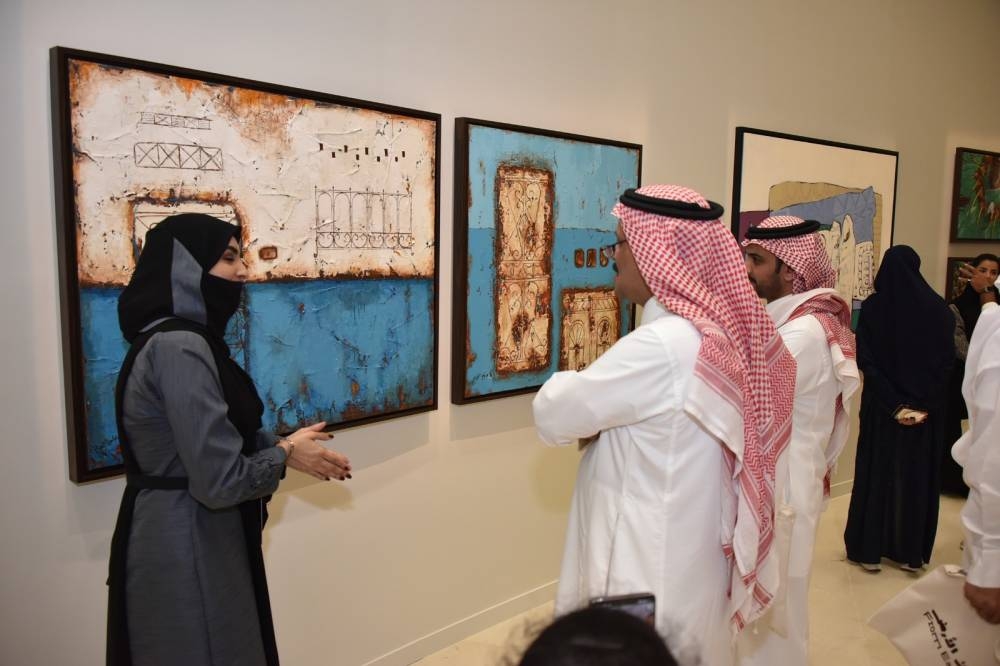
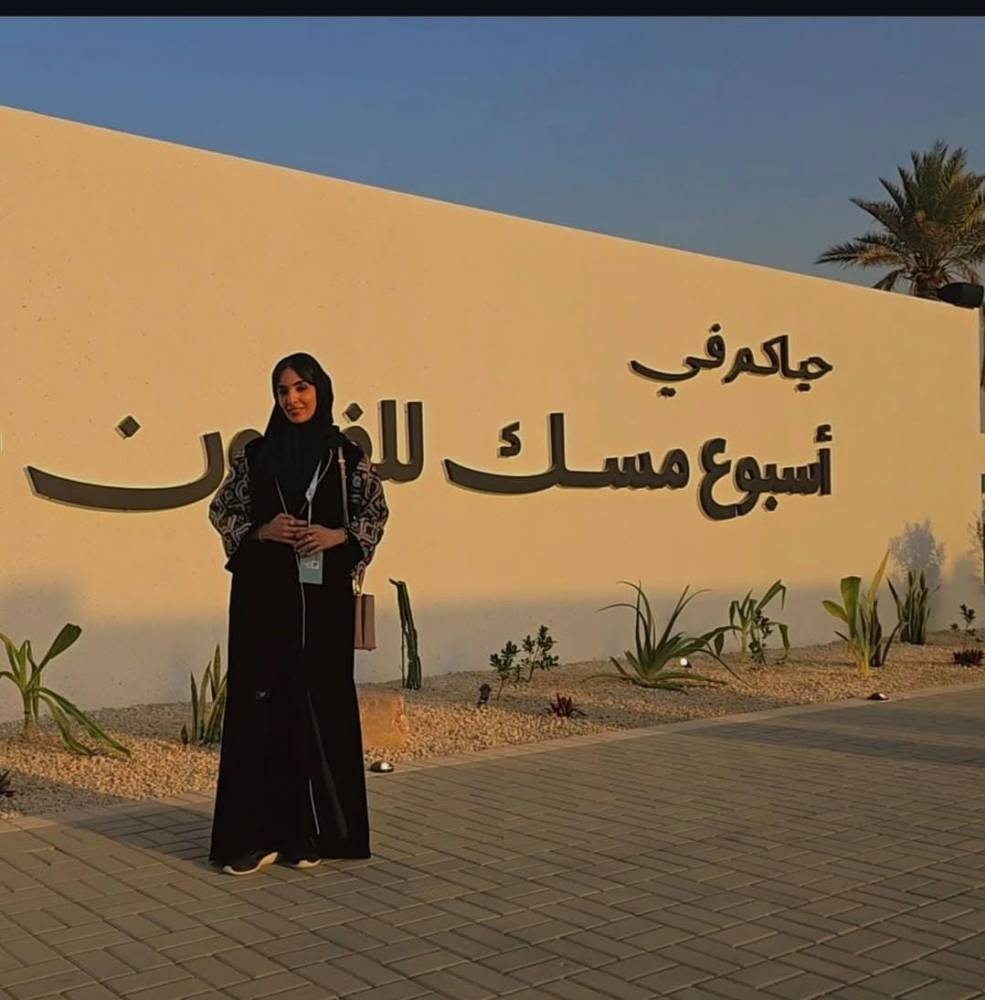
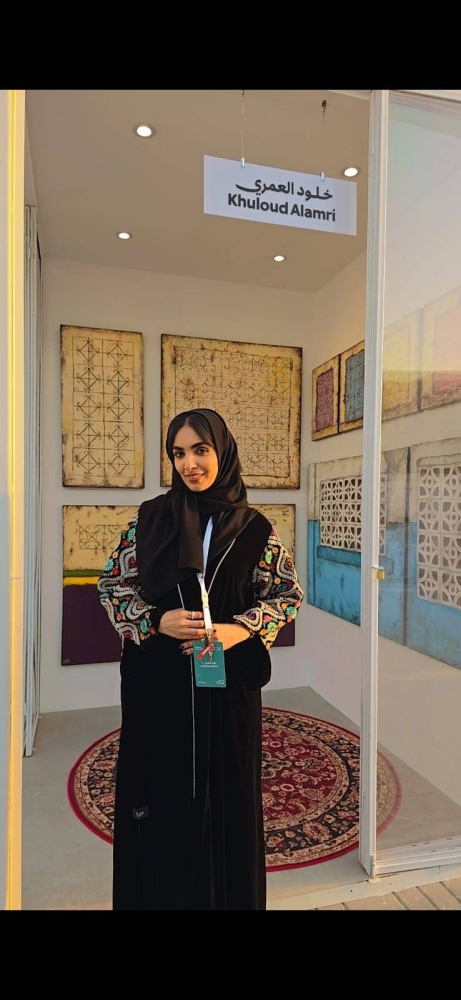
في عالم يمضي سريعا نحو الحداثة تبقى ذاكرة المكان ملاذا بصريا للفنانة خلود العمري التي اختارت أن تجعل من الأبواب القديمة موضوعا ثابتا في لوحاتها وكأنها تحاول تثبيت الزمن في إطار وتوثيق العلاقة الحميمة بين الإنسان والمكان.
أبواب خشبية صدئة وجدران متآكلة وأرقام منسية تتكرر في أعمالها، لكنها لا تتشابه بل تحمل في كل مرة حكاية مختلفة ورائحة زمن مختلف، تقول خلود إنها لا ترسم ما تراه بل ما تتذكره وكل لوحة لديها ولدت من رائحة باب في بيت جدة أو ظل نافذة في قرية جنوبية.
لوحاتها ليست تجريدية لكنها لا تنقل الواقع كما هو بل تلبسه حالة شعورية تستمدها من علاقتها الخاصة مع المكان. وتضيف أن الفن بالنسبة لها ليس ترفا بل لغة تعبيرية تسبق الحروف وتقول ما لا تستطيع أن تقوله الكلمات.
بدأت رحلتها مع الألوان حين شعرت بحاجتها إلى لغة لا تعتمد على الحروف، وجدت في الألوان وسيلة للاعتراف والبوح وتتذكر أول لوحة رسمتها كأنها محاولة للإنصات لقلق داخلي كانت لحظة مصالحة بين الداخل والخارج.
تصف أكثر لحظاتها صدقا في الفن بأنها تلك التي شعرت فيها أنها لا ترسم فحسب بل تتنفس الفن ترى الجمال في الأشياء البالية وتسمع الهمس في الجدران القديمة وتؤمن أن الرسم امتداد لطريقتها في الوجود لا مجرد فعل مؤقت.
أما عن شعورها الحالي، فتقول إنه سيكون لوحة مشبعة بالفراغات والخطوط غير المنتظمة لونها ترابي وفيها مساحة صامتة لكنها تقول الكثير، حالة بين بين، لا هي فرح كامل ولا حزن خالص بل سكون داخلي.
ترى أن المشهد التشكيلي السعودي يمر بمرحلة ولادة جديدة تشهد تنوعا وجرأة وتطورا ملموسا، وتؤكد أن الفن لم يعد مجرد وسيلة لعرض الجمال بل أصبح أداة حوار وتأمل وإعادة تشكيل للهوية.
وعن حضور المرأة في الفن، ترى أن الفنانات السعوديات يقدمن أطروحات بصرية مذهلة لكنهن بحاجة إلى مناخ نقدي وفكري يمنحهن التقدير الحقيقي بعيدا عن مجرد الظهور.
تؤمن بأن دور الجمعيات لا يجب أن يقتصر على تنظيم المعارض وتوزيع الجوائز، بل في خلق بيئة تسمح بالتجريب وتحتضن الأصوات الجديدة وتمنحهم مساحة للقول والبحث والتجربة.
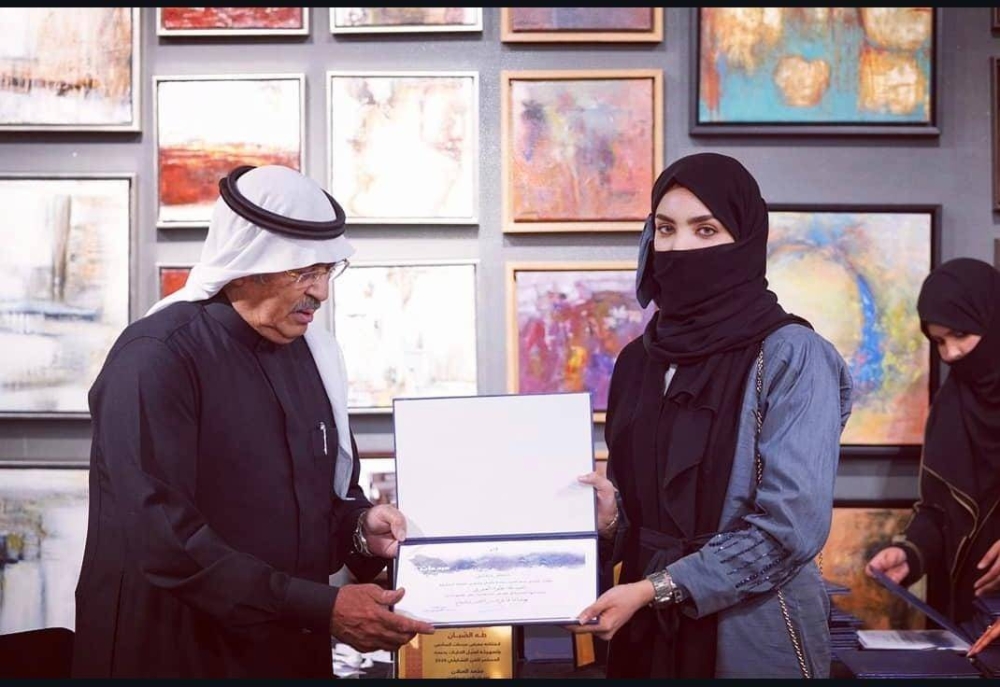
خلود العمري فنانة تشكيلية من جدة حاصلة على بكالوريوس الإدارة والاقتصاد من جامعة الملك عبدالعزيز، ودبلوم التصميم الجرافيكي، شاركت في معارض فنية في جدة والخبر والرياض ولها مقتنيات وجوائز وتكريمات عديدة، وتعد من الفنانات السعوديات اللاتي يحملن فكرا تراثيا أصيلا يستلهم الجمال من البيئة سواء كانت بيئة الجنوب أو بيئة جدة وحواريها القديمة التي تنتمي إليها.
In a world rapidly moving towards modernity, the memory of place remains a visual refuge for artist Khulood Al-Omari, who has chosen to make old doors a constant subject in her paintings, as if she is trying to freeze time within a frame and document the intimate relationship between humans and their surroundings.
Rusty wooden doors, decaying walls, and forgotten numbers recur in her works, but they do not resemble each other; rather, each time they carry a different story and the scent of a different era. Khulood says she does not paint what she sees but what she remembers, and each of her paintings is born from the scent of a door in her grandmother's house or the shadow of a window in a southern village.
Her paintings are not abstract, but they do not convey reality as it is; instead, they dress it in an emotional state derived from her special relationship with the place. She adds that art, for her, is not a luxury but an expressive language that precedes letters and conveys what words cannot say.
She began her journey with colors when she felt the need for a language that does not rely on letters. She found in colors a means of acknowledgment and confession and remembers the first painting she created as an attempt to listen to an internal anxiety; it was a moment of reconciliation between the inner and outer worlds.
She describes her most sincere moments in art as those in which she felt she was not just painting but breathing art, seeing beauty in worn-out things, hearing whispers in old walls, and believing that painting is an extension of her way of existing, not just a temporary act.
As for her current feelings, she says it will be a painting saturated with voids and irregular lines, earthy in color, with a silent space that speaks volumes; a state of being in between, neither complete joy nor pure sadness, but an internal stillness.
She sees that the Saudi artistic scene is undergoing a new birth, witnessing diversity, boldness, and tangible development. She emphasizes that art is no longer merely a means to display beauty but has become a tool for dialogue, contemplation, and reshaping identity.
Regarding the presence of women in art, she believes that Saudi female artists present stunning visual propositions, but they need a critical and intellectual climate that grants them true appreciation, away from mere visibility.
She believes that the role of associations should not be limited to organizing exhibitions and distributing awards, but rather in creating an environment that allows for experimentation, embraces new voices, and grants them space to express, research, and experiment.
Khulood Al-Omari is a visual artist from Jeddah, holding a Bachelor's degree in Management and Economics from King Abdulaziz University and a diploma in Graphic Design. She has participated in art exhibitions in Jeddah, Khobar, and Riyadh, and has numerous collections, awards, and honors. She is considered one of the Saudi female artists who carry an authentic heritage thought that draws beauty from the environment, whether it is the southern environment or the old neighborhoods of Jeddah to which she belongs.