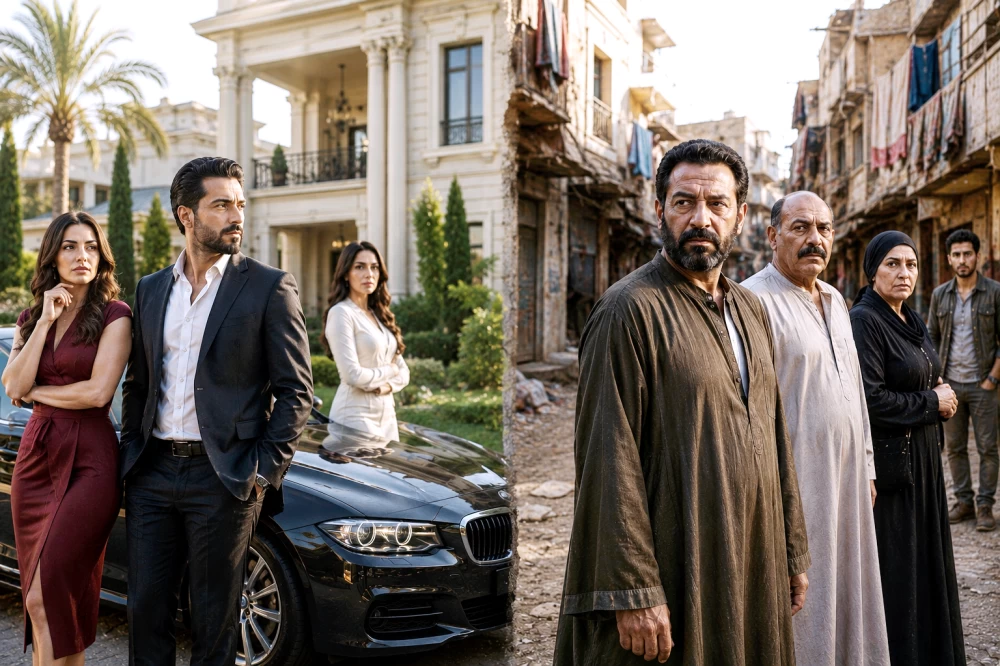
تعيش الدراما المصرية مواجهة واضحة بين عالمين؛ الحارة بما تحمله من صراعات اجتماعية وعائلية وتفاصيل يومية، وعالم «إيجيبت»، الذي أخذ المشاهد خلال السنوات الأخيرة إلى الفيلات والمنتجعات والجامعات الخاصة والسيارات الفارهة، حيث قصص الحب والخيانة والأزمات داخل طبقات تبدو بعيدة عن حياة قطاع واسع من الجمهور.
هذا الانقسام، كشف مع الوقت عن تغير في مزاج المشاهد.. الأعمال الشعبية استعادت مساحة كبيرة لأنها تملك خامة درامية أكثر ثراءً؛ عائلة تتصارع، جار يراقب، شاب يحاول الصعود، أب يخشى فقدان سلطته، ومال يعيد تشكيل العلاقات؛ عناصر تمنح الكاتب فرصة لبناء شخصيات تتحرك داخل مجتمع كامل، بدلاً من بقائها أسيرة دائرة محدودة.
لكن «الشعبي» نفسه يواجه أزمة صناعة.. الحارة تحولت في تجارب كثيرة إلى مجموعة محفوظة من البلطجة والثأر والسلاح والصراخ، حتى أصبحت بعض الشخصيات نسخاً متقاربة بملابس ولهجات مختلفة. نجاح هذا اللون يحتاج إلى اكتشاف الإنسان داخل الحارة، وليس استدعاء الصورة التقليدية عنها.
على الجهة الأخرى، قدمت «قصص إيجيبت» صورة بصرية جذابة، لكنها دفعت في أحيان كثيرة ثمن الانبهار بالشكل؛ الفيلا أصبحت حاضرة أكثر من أصحابها، والملابس أكثر لفتاً من الحوار، والسيارة جزءاً من تعريف الشخصية، فيما تدور الأزمات داخل دائرة الحب والزواج والخيانة والأسرار العائلية.
القضية هنا، تتجاوز اختلاف البيئات الاجتماعية التي تتحرك داخلها الأحداث. فالدراما المصرية صنعت قوتها تاريخياً حين اقتربت من المجتمع، والتقطت تحولاته وتناقضاته، وحولت تفاصيله اليومية إلى حكايات وشخصيات بقيت في ذاكرة المشاهد طويلاً بعد انتهاء المسلسل.
تقدُّم «الشعبي» اليوم - إن استمر - يرتبط بقدرته على إعادة المشاهد إلى الحكاية. فالجمهور قد يندهش من الفيلا، لكنه يتعلق بالشخصية، وقد تجذبه الصورة للحظات، بينما تبقى القصة وحدها صاحبة القرار في النهاية.
The Egyptian drama lives a clear confrontation between two worlds; the neighborhood with its social and familial conflicts and daily details, and the world of "Egypt," which has taken viewers in recent years to villas, resorts, private universities, and luxury cars, where stories of love, betrayal, and crises unfold within classes that seem distant from the lives of a broad segment of the audience.
This division has gradually revealed a change in the viewers' mood.. popular works have regained a significant space because they possess a richer dramatic material; a family in conflict, a neighbor watching, a young man trying to rise, a father fearing the loss of his authority, and money reshaping relationships; elements that give the writer the opportunity to build characters that move within a complete society, instead of remaining trapped in a limited circle.
However, the "popular" itself faces a production crisis.. the neighborhood has often turned into a preserved collection of thuggery, revenge, weapons, and shouting, to the point that some characters have become similar copies with different clothes and dialects. The success of this genre requires discovering the human side within the neighborhood, rather than invoking the traditional image of it.
On the other hand, "Egyptian Stories" presented an attractive visual image, but often paid the price of being dazzled by the form; the villa became more present than its owners, the clothes more eye-catching than the dialogue, and the car a part of defining the character, while the crises revolve within the circle of love, marriage, betrayal, and family secrets.
The issue here goes beyond the differences in the social environments in which the events take place. Egyptian drama historically built its strength when it approached society, capturing its transformations and contradictions, and turning its daily details into stories and characters that remained in the viewers' memory long after the series ended.
The advancement of the "popular" today - if it continues - is linked to its ability to bring the viewer back to the story. The audience may be amazed by the villa, but they connect with the character, and while the image may attract them for moments, it is the story alone that ultimately holds the decision.