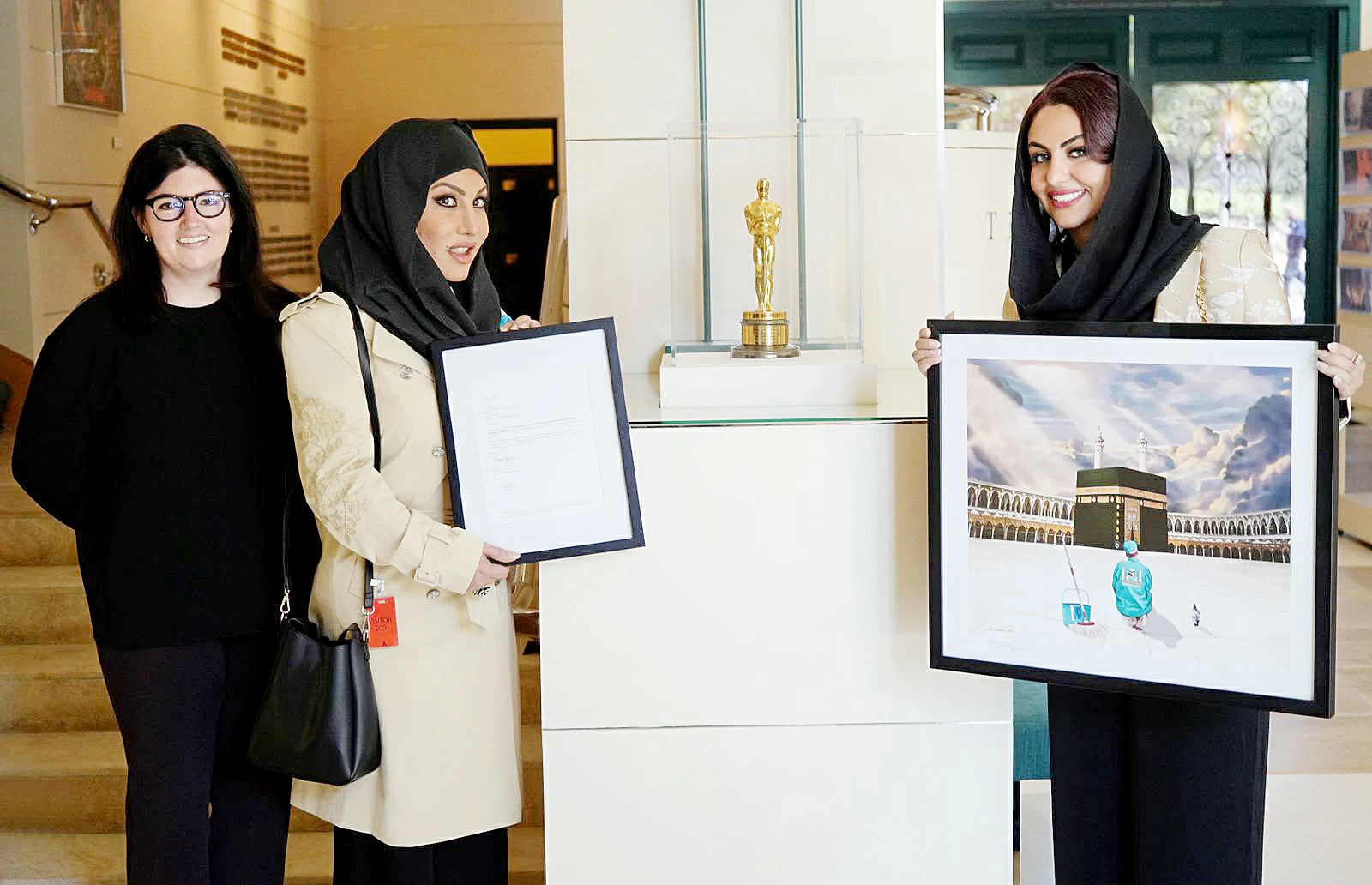
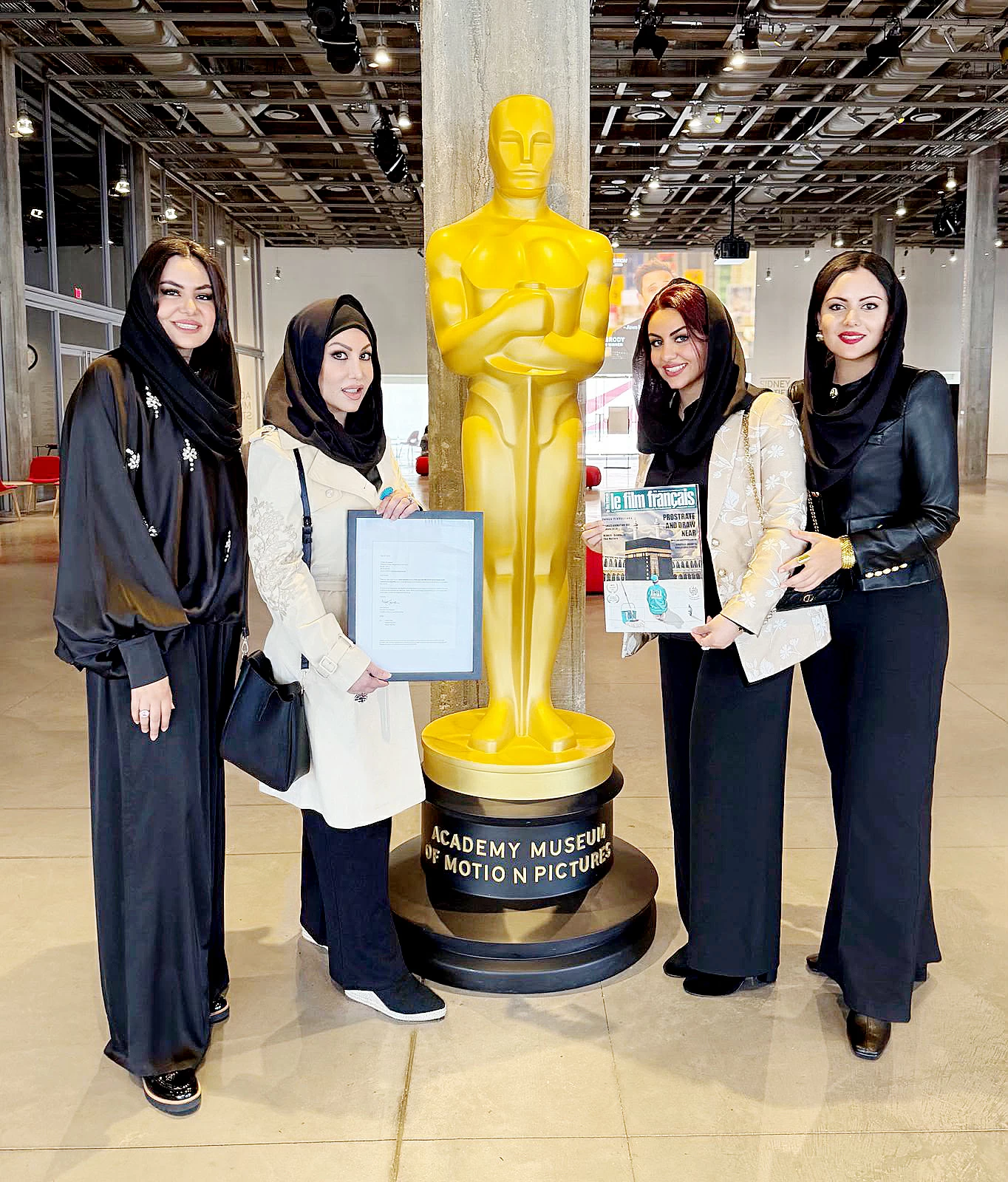
في قيمة مضافة للحضور السينمائي السعودي عالميًا، انضم فيلم الرسوم المتحركة القصير «واسجد واقترب» إلى أرشيف أكاديمية فنون وعلوم الصور المتحركة، بينما أُودعت المواد الأصلية الخاصة بالفيلم في مكتبة أكاديمية الأوسكار مارغريت هيريك في بيفرلي هيلز بولاية كاليفورنيا، لتُحفظ ضمن مقتنياتها التي توثق تاريخ السينما العالمية وإرثها الفني.
الفيلم، الذي تبلغ مدته سبع دقائق، من إخراج وإنتاج وكتابة ثنائي صناعة الأفلام الأم وابنتها ثريا الشهري ونبيلة أبو الجدايل.
ويستند إلى أحداث حقيقية، تروي لحظة روحانية استثنائية داخل المسجد الحرام في مكة المكرمة خلال فترة الإغلاق التي صاحبت جائحة كوفيد 19، وقد استُلهم من اللوحة الفنية الأصلية للفنانة نبيلة أبوالجدايل.
شملت المواد المضافة إلى مكتبة أكاديمية الأوسكار مارغريت هيريك الملصق الرسمي للفيلم، إلى جانب مجموعة من العناصر الإبداعية الأصلية التي توثق مراحل إنتاجه.
ويواصل الفيلم تحقيق حضوره الدولي، بعدما حصد 31 جائزة عالمية، وسجل اسمه كأول فيلم رسوم متحركة سعودي قصير يُدرج ضمن القائمة الطويلة المؤهلة للترشح لجوائز الأوسكار، في محطة تاريخية لصناعة الرسوم المتحركة السعودية.
وتُعد مكتبة أكاديمية الأوسكار مارغريت هيريك من أبرز المكتبات البحثية المتخصصة في السينما على مستوى العالم، إذ تضم ملايين الوثائق والصور والملصقات والسيناريوهات والمواد الأرشيفية التي تسهم في حفظ تاريخ الفن السينمائي ودعم الباحثين وصنّاع الأفلام والأجيال القادمة.
واستقبلت مديرة قسم الفنون الجرافيكية في مكتبة أكاديمية الأوسكار مارغريت هيريك ميغان دوهرتي، ثريا الشهري ونبيلة أبوالجدايل، برفقة المستشارتين الإبداعيتين كاريمان أبو الجدايل وسلوى أبو الجدايل.
وقالتا في بيان مشترك «يمثل الفيلم علامة فارقة في مسيرة الرسوم المتحركة السعودية، وفي حضور المرأة العربية في صناعة السينما العالمية. كما أن إدراجه في أرشيف الأكاديمية وإضافة مواده إلى مكتبة أكاديمية الأوسكار مارغريت هيريك يعدان اعترافًا بقيمته الثقافية والفنية، ويضمنان حفظ قصته وأعماله الفنية وإرثه للأجيال القادمة من الجمهور والباحثين ومؤرخي السينما».
In a significant addition to the global cinematic presence of Saudi Arabia, the short animated film "Prostrate and Draw Near" has joined the archive of the Academy of Motion Picture Arts and Sciences, while the original materials related to the film have been deposited in the Margaret Herrick Library of the Academy Awards in Beverly Hills, California, to be preserved among its collections that document the history and artistic legacy of global cinema.
The film, which has a duration of seven minutes, is directed, produced, and written by the filmmaking duo of mother and daughter, Thuraya Al-Shahri and Nabila Abu Jadail.
Based on true events, it narrates an extraordinary spiritual moment inside the Grand Mosque in Mecca during the lockdown associated with the COVID-19 pandemic, and it was inspired by the original artwork of artist Nabila Abu Jadail.
The materials added to the Margaret Herrick Library of the Academy Awards include the official poster of the film, along with a collection of original creative elements that document its production stages.
The film continues to achieve international recognition, having won 31 global awards, and it has made history as the first Saudi short animated film to be included in the long list eligible for Oscar nominations, marking a historic milestone for the Saudi animation industry.
The Margaret Herrick Library of the Academy Awards is one of the most prominent research libraries specializing in cinema worldwide, housing millions of documents, images, posters, screenplays, and archival materials that contribute to preserving the history of cinematic art and supporting researchers, filmmakers, and future generations.
The Director of the Graphic Arts Department at the Margaret Herrick Library of the Academy Awards, Megan Dougherty, welcomed Thuraya Al-Shahri and Nabila Abu Jadail, accompanied by creative consultants Kariman Abu Jadail and Salwa Abu Jadail.
They stated in a joint statement, "The film represents a milestone in the journey of Saudi animation and in the presence of Arab women in the global film industry. Its inclusion in the Academy's archive and the addition of its materials to the Margaret Herrick Library of the Academy Awards is an acknowledgment of its cultural and artistic value, ensuring the preservation of its story, artistic works, and legacy for future generations of audiences, researchers, and film historians."