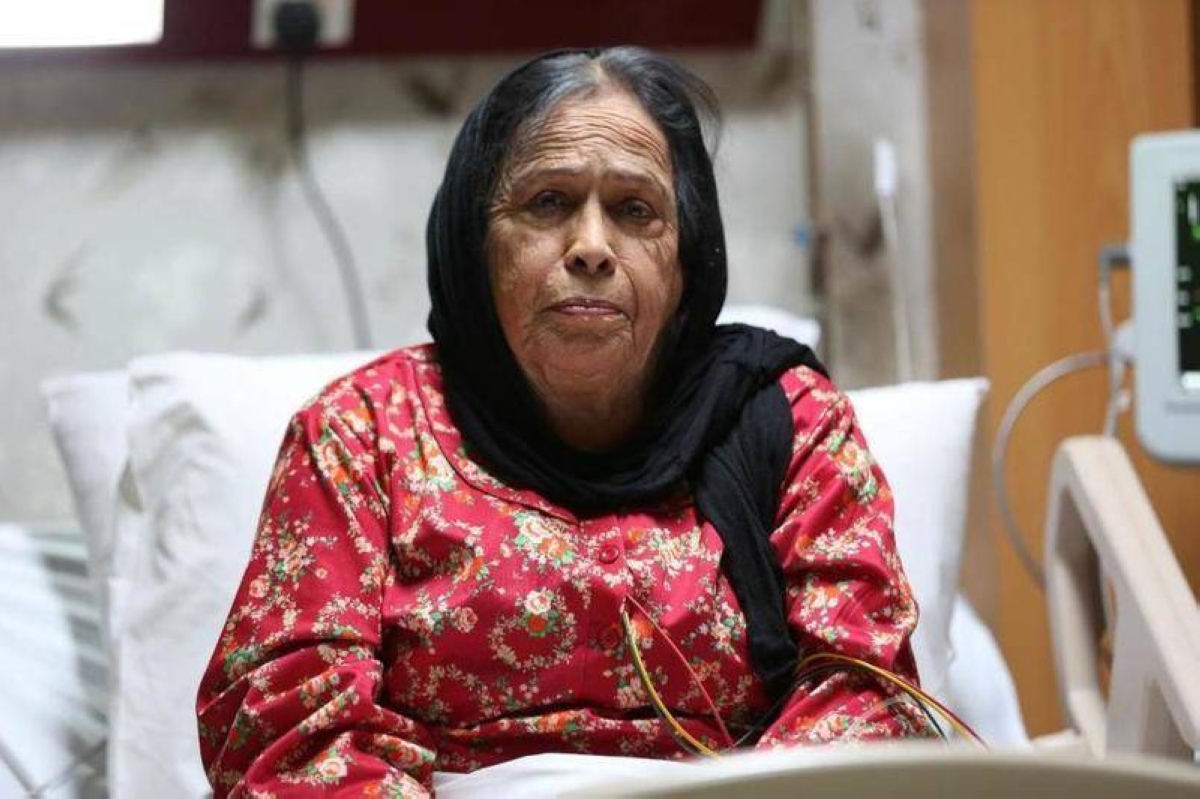
يساور القلق محبي سيدة الشاشة الخليجية الفنانة القديرة حياة الفهد، إثر تطورات وضعها الصحي الأخير، بعد أن كشف مكتبها عن أن نقلها إلى العناية المركزة جاء امتدادًا لأزمة صحية تعرضت لها منذ أكثر من أسبوعين، أعقبت إصابتها بجلطة دماغية، قبل أن تتفاقم حالتها في الأيام الماضية. وأوضح البيان الصادر عن الاتحاد الكويتي للإنتاج الفني والمسرحي وصنّاع الترفيه – الذي تشغل الفنانة منصب نائب رئيسه – أن الزيارة عنها ممنوعة حاليًا حفاظًا على سلامتها، مع التوصية باحترام خصوصيتها خلال هذه المرحلة الحرجة، على أن يتم إعلان أي مستجدات فور ورودها.
كما أكدت أسرتها، عبر حسابها الرسمي في «إنستغرام»، أن الفنانة ترقد حاليًا في مستشفى جابر الأحمد بالكويت تحت رعاية طبية مكثفة منذ نحو ثلاثة أيام، داعية جمهورها العريض إلى الدعاء لها بالشفاء العاجل، ومؤكدة أن محبة الناس لها هي السند الأقوى في هذه المحنة.
وأفاد رئيس الاتحاد الكويتي للإنتاج الفني والمسرحي خالد الراشد بأن الأزمة بدأت بعد خضوع حياة الفهد لعملية قسطرة، ظهرت بعدها أعراض الجلطة خلال يوم واحد، وأن حالتها الصحية تحظى بمتابعة مباشرة من وزيري الصحة والإعلام في الكويت، مع بحث إمكانية نقلها عبر إخلاء طبي إلى خارج البلاد إذا اقتضى الأمر لتلقي علاج متقدم غير متاح محليًا.
وقد اجتاحت حالة من الغموض والتساؤلات الأوساط الفنية والجماهيرية، إذ لم تُكشف تفاصيل دقيقة عن مدى استقرار وضعها الصحي، وسط موجة تضامن واسعة من نجوم الدراما الخليجية والعربية، بينهم إلهام الفضالة، طارق العلي، خالد المظفر، باسم عبدالأمير، شيماء علي، وهبة الدري، الذين بادروا عبر وسائل التواصل الاجتماعي بالدعاء لها، مؤكدين أن حضورها الفني والإنساني في وجدان الجمهور لا يُعوّض.
وفي سياق الأزمة الراهنة، تظل حياة الفهد واحدة من أبرز الأسماء التي شكّلت ملامح الدراما الخليجية منذ ستينيات القرن الماضي، عبر مسيرة امتدت لأكثر من نصف قرن قدّمت خلالها عشرات الأعمال التلفزيونية والمسرحية والإذاعية التي أسهمت في تأسيس هوية الإنتاج الفني في المنطقة. وبرغم الغموض الذي يكتنف وضعها الصحي حاليًا، فإن تاريخها الفني الحافل يضعها في موقع رمزي بارز داخل المشهد الثقافي الخليجي والعربي، ما يجعل متابعة تطورات حالتها موضع اهتمام جماهيري وإعلامي واسع، انتظارًا لما ستسفر عنه الأيام القادمة.
Concern surrounds the fans of the Gulf screen icon, the esteemed artist Hayat Al-Fahad, following recent developments in her health condition. Her office revealed that her transfer to intensive care was a continuation of a health crisis she experienced over two weeks ago, following a stroke, before her condition worsened in recent days. The statement issued by the Kuwaiti Union for Artistic and Theatrical Production and Entertainment – of which the artist serves as Vice President – indicated that visits are currently prohibited to ensure her safety, with a recommendation to respect her privacy during this critical phase, and any updates will be announced as soon as they arise.
Her family also confirmed, via her official account on Instagram, that the artist is currently hospitalized at Jaber Al-Ahmad Hospital in Kuwait under intensive medical care for about three days, calling on her wide audience to pray for her swift recovery, and affirming that the love of the people is her strongest support during this ordeal.
Khaled Al-Rashed, the head of the Kuwaiti Union for Artistic and Theatrical Production, stated that the crisis began after Hayat Al-Fahad underwent a catheterization procedure, after which stroke symptoms appeared within a day. He noted that her health condition is being closely monitored by the Ministers of Health and Information in Kuwait, with discussions ongoing about the possibility of transferring her via medical evacuation abroad if necessary for advanced treatment not available locally.
A state of ambiguity and questions has swept through artistic and public circles, as no precise details have been revealed about the stability of her health condition, amidst a wide wave of solidarity from Gulf and Arab drama stars, including Ilham Al-Fadala, Tarek Al-Ali, Khaled Al-Mudhafar, Basem Abdul-Amir, Shaimaa Ali, and Hiba Al-Dri, who took to social media to pray for her, affirming that her artistic and humanitarian presence in the hearts of the audience is irreplaceable.
In the context of the current crisis, Hayat Al-Fahad remains one of the most prominent names that have shaped the features of Gulf drama since the 1960s, through a career that has spanned over half a century, during which she has presented dozens of television, theatrical, and radio works that contributed to establishing the identity of artistic production in the region. Despite the ambiguity surrounding her current health condition, her rich artistic history places her in a prominent symbolic position within the Gulf and Arab cultural scene, making the monitoring of her condition a matter of wide public and media interest, awaiting what the coming days will reveal.