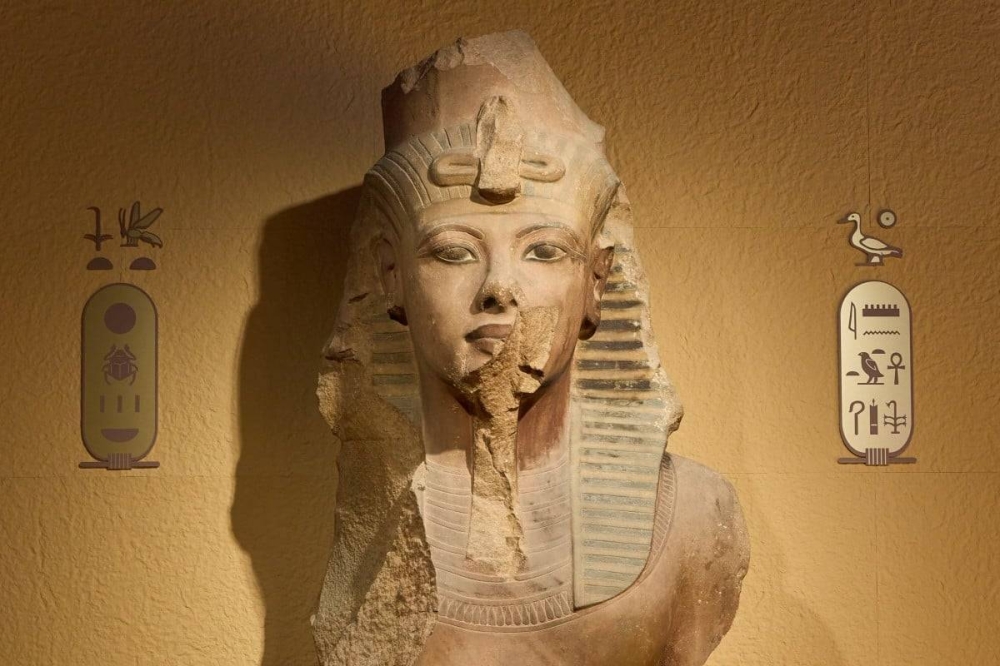
يستعد متحف قصر هونغ كونغ لاستضافة معرض استثنائي يعرض كنوزًا مصرية نادرة، بما في ذلك تمثال للفرعون توت عنخ آمون ومومياوات لقطط، في حدث يُعد بداية لسلسلة من التعاونات المستقبلية مع مصر.
وأكد الدكتور محمد إسماعيل خالد، الأمين العام للمجلس الأعلى للآثار المصرية، أن هذا المعرض هو مجرد خطوة أولى، مع إمكانية عرض قطع أثرية ومومياوات بارزة أخرى في هونغ كونغ لاحقًا.
ووقّع المجلس الأعلى للآثار ومتحف قصر هونغ كونغ، الواقع في منطقة ويست كولون الثقافية، اتفاقية لتنظيم أكبر وأطول معرض للقطع الأثرية المصرية في المدينة، إذ سيضم 250 قطعة أثرية، ويبدأ في 20 نوفمبر 2025 ويستمر حتى 31 أغسطس 2026. ويحمل المعرض عنوان «كشف أسرار مصر القديمة: كنوز من المتاحف المصرية».
وأوضح، في تصريحات لصحيفة صينية، أن الاتفاقية تمهد الطريق للتعاون الأول بين متحف في هونغ كونغ والمجلس الأعلى للآثار، واصفًا إياها بنقطة انطلاق لمزيد من المشاريع المشتركة.
وأشار إلى مناقشات حول تعاونات مستقبلية تتضمن مواضيع متنوعة وقطعًا أثرية جديدة، بما في ذلك اكتشافات حديثة محتملة.
ومن الأفكار المطروحة إقامة معرض يركز على الفن الإسلامي المتوفر في مصر، بما يشمل قطعًا من إيران وتركيا، حيث يمتلك متحف الفن الإسلامي بالقاهرة واحدة من أكبر المجموعات في العالم، مؤكدًا انفتاح المجلس على كافة أشكال التعاون لتعزيز التبادل الثقافي.
وأرجع الأمين العام للمجلس الأعلى للآثار المصرية، اختيار المجلس للتعاون مع متحف قصر هونغ كونغ إلى العلاقات الدبلوماسية الوثيقة بين الصين ومصر، إلى جانب سمعة المتحف كنجم صاعد بين المتاحف المحلية.
وأضاف: لهذا السبب، رأينا أن عرض الآثار المصرية في هونغ كونغ فرصة رائعة لتعريف المزيد من الناس بالحضارة المصرية القديمة، ونتطلع إلى استقبال زوار من هونغ كونغ والصين لزيارة المعالم في مصر، مثل المعابد والمقابر.
وكشف أبرز أربع قطع ينصح بمشاهدتها في المعرض، وهي: تمثال ضخم لتوت عنخ آمون يزيد طوله عن 2.8 متر، مجموعة من التوابيت البشرية الشكل، تمثال للإلهة المصرية باستيت تحمل آلة موسيقية تُعرف باسم السيستروم، ومجموعة من مومياوات القطط.
وأوضح أن هذه القطع تعكس الفكر والمعتقدات الروحية للمصريين القدماء، وتُظهر للزوار من هونغ كونغ والصين القارية أن مصر تقدم أكثر بكثير من الأهرامات الشهيرة.
The Hong Kong Palace Museum is preparing to host an exceptional exhibition showcasing rare Egyptian treasures, including a statue of the pharaoh Tutankhamun and mummies of cats, in an event that marks the beginning of a series of future collaborations with Egypt.
Dr. Mohamed Ismail Khaled, the Secretary-General of the Supreme Council of Antiquities of Egypt, confirmed that this exhibition is just the first step, with the possibility of showcasing other prominent artifacts and mummies in Hong Kong later on.
The Supreme Council of Antiquities and the Hong Kong Palace Museum, located in the West Kowloon Cultural District, signed an agreement to organize the largest and longest exhibition of Egyptian artifacts in the city, which will include 250 artifacts, starting on November 20, 2025, and continuing until August 31, 2026. The exhibition is titled "Unveiling the Secrets of Ancient Egypt: Treasures from Egyptian Museums."
He explained, in statements to a Chinese newspaper, that the agreement paves the way for the first cooperation between a museum in Hong Kong and the Supreme Council of Antiquities, describing it as a starting point for further joint projects.
He pointed to discussions about future collaborations involving various themes and new artifacts, including potential recent discoveries.
Among the proposed ideas is to hold an exhibition focusing on Islamic art available in Egypt, including pieces from Iran and Turkey, as the Museum of Islamic Art in Cairo possesses one of the largest collections in the world, emphasizing the council's openness to all forms of cooperation to enhance cultural exchange.
The Secretary-General of the Supreme Council of Antiquities of Egypt attributed the council's choice to collaborate with the Hong Kong Palace Museum to the close diplomatic relations between China and Egypt, along with the museum's reputation as a rising star among local museums.
He added: For this reason, we see that showcasing Egyptian artifacts in Hong Kong is a wonderful opportunity to introduce more people to ancient Egyptian civilization, and we look forward to welcoming visitors from Hong Kong and China to explore the landmarks in Egypt, such as temples and tombs.
He revealed the four main pieces recommended for viewing in the exhibition, which are: a massive statue of Tutankhamun measuring over 2.8 meters in height, a collection of anthropoid coffins, a statue of the Egyptian goddess Bastet holding a musical instrument known as the sistrum, and a collection of cat mummies.
He explained that these pieces reflect the thoughts and spiritual beliefs of the ancient Egyptians, showing visitors from Hong Kong and mainland China that Egypt offers much more than just the famous pyramids.