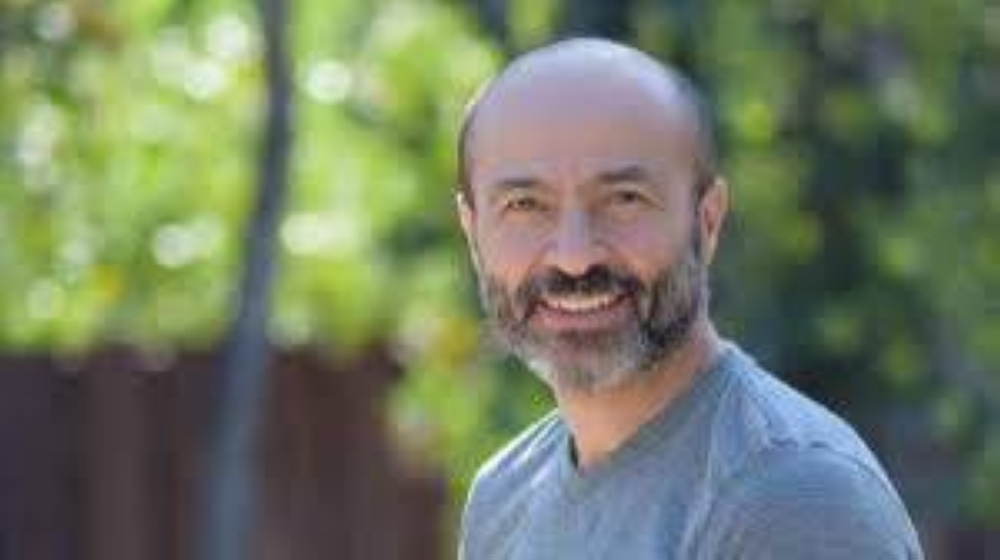
أصدر وزير الثقافة السوري محمد صالح قراراً بتكليف الفنان جهاد عبده بإدارة المؤسسة العامة للسينما، وهو أول مدير لها بعد تولي السلطة الجديدة إدارة البلاد.
وقال الفنان عبده: «بعد سنوات من العمل في السينما العالمية، أعود إلى وطني مؤمناً بأن السينما هي أنجع سلاح فكري، فهي قادرة على مدّ الجسور، وبعث الحياة في الحكايات التي كمّمتها أنظمة الإقصاء والتهميش».
وأضاف: «أؤمن أن السينما ليست ترفاً، بل ضرورة، وسأعمل على أن تكون صوت الناس لا السلطة، ومرآة التنوع لا أداة وحدة قسرية. طموحي أن أصنع لها أجنحة تحلّق فوق كل شبر من أرض سورية، بلا استثناء لمنطقة أو تهميش لثقافة، كما فعل البعث لعقود». وتابع: «أريد أن نُعيد رسم صورة سورية في وعي العالم، لا كأرض حرب، بل كمهد للمواهب والقصص والطاقات الإنسانية. وأؤمن بأننا، نحن السوريين، نملك القدرة على ذلك. فقد آن أوان أن تُفتح الأبواب وتُروى الحقائق، بصوتنا نحن، ومن خلال عدستنا نحن. سنبني معاً سينما تليق بسورية، بمنظور أكثر عمقاً وجرأة لإعادة تخيّل السينما السورية، ليس فقط كأداة فنية، بل كمكوّن رئيسي في إعادة بناء الهوية الوطنية، وتضميد الجراح، وتوثيق الحقيقة، وفتح النوافذ على العالم».
جهاد عبده فنان سوري، ولد في مدينة دمشق عام 1962 وفيها نشأ ودرس، كان شغوفاً بالفن منذ الصغر، الأمر الذي دفعه لدراسة العزف على آلة الكمان ثم المسرح بعد عودته من رومانيا فور تخرجه من جامعة الهندسة المدنية.
عمل فور تخرجه من المسرح في العشرات من الأعمال التلفزيونية السورية والعربية. وعند قيام الثورة السورية اختار أن يناصرها، فانتقد النظام من سورية، مما عرضه لمخاطر أمنية أجبرته على الابتعاد إلى الولايات المتحدة، فغاب عن وطنه نحو 14 عاماً، عمل خلالها في توصيل الزهور والبيتزا، وسائق سيارة أجرة، وصمم على دخول عالم الفن مجدداً، فوصل إلى تجارب مهمة في سينما هوليوود، من خلال عمله في عدد من الأفلام العالمية مشاركاً نجوماً عالميين منهم توم هانكس ونيكول كيدمان.
The Syrian Minister of Culture, Mohammad Saleh, issued a decision appointing artist Jihad Abdo to manage the General Organization for Cinema, making him the first director after the new authority took over the country's administration.
Artist Abdo stated: "After years of working in global cinema, I return to my homeland believing that cinema is the most effective intellectual weapon; it is capable of building bridges and reviving the stories that have been silenced by systems of exclusion and marginalization."
He added: "I believe that cinema is not a luxury but a necessity, and I will work to ensure it is the voice of the people, not the authority, and a mirror of diversity, not a tool of forced unity. My ambition is to give it wings that soar over every inch of Syrian land, without exception for any region or marginalization of any culture, as the Baath party did for decades." He continued: "I want us to redraw the image of Syria in the world's consciousness, not as a war-torn land, but as a cradle of talents, stories, and human energies. I believe that we, Syrians, have the ability to do that. It is time to open the doors and tell the truths, in our voice and through our lens. Together, we will build a cinema that befits Syria, with a deeper and bolder perspective to reimagine Syrian cinema, not just as an artistic tool, but as a key component in rebuilding national identity, healing wounds, documenting the truth, and opening windows to the world."
Jihad Abdo is a Syrian artist, born in Damascus in 1962, where he grew up and studied. He has been passionate about art since childhood, which led him to study violin and later theater after returning from Romania right after graduating from the Civil Engineering University.
Upon graduating from theater, he worked in dozens of Syrian and Arab television productions. When the Syrian revolution began, he chose to support it, criticizing the regime from within Syria, which exposed him to security risks that forced him to move to the United States. He was away from his homeland for about 14 years, during which he worked delivering flowers and pizza, and as a taxi driver, while he was determined to re-enter the world of art. He reached significant experiences in Hollywood cinema through his work in several global films alongside international stars like Tom Hanks and Nicole Kidman.