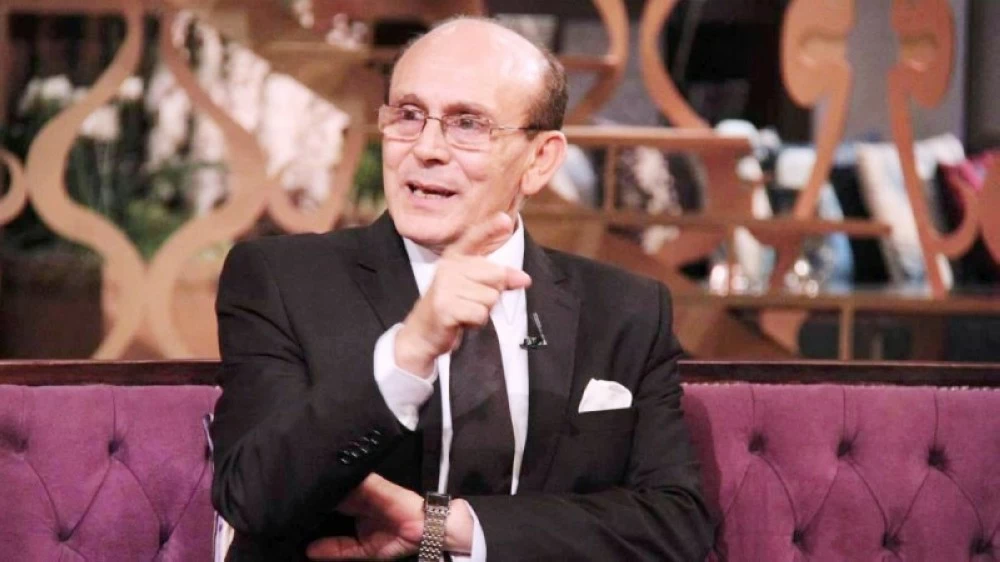
ما بين الوقت الذي يظهر فيه القبح عابراً، واللحظة التي يتحوّل فيها إلى سلوكٍ مُمنهج، تتكشّف حقيقة محمد صبحي لا كفنانٍ منسي، بل كشخصٍ يُتقن افتعال القضايا الجانبية للهروب من سقطاته غير الإنسانية، كلما ضاقت به دائرة المساءلة.
لم يعد الغضب المصري الشعبي والفني تجاهه وليد لقطة أو تصريح، بل نتيجة تراكم طويل لسلوك يُدار بعقلية الإلهاء. كلما انكشفت قسوة، أو طفت على السطح لحظة خالية من الحدّ الأدنى للرحمة، سارع إلى إشعال معركة جانبية: مرة باسم الأخلاق، وأخرى باسم الوطنية، وثالثة باسم «الاستقلال الفني». الهدف واحد دائماً: تحويل النقاش من الفعل إلى الضجيج.
حادثة سائقه المسن لم تكن زلة عابرة، بل كانت مشهداً مكتمل الدلالة، رجل خدمه، يواجه بتعالي ويُترك خلفه يركض، بلا اعتبار ولا شعور ولا إنسانية، الأخطر لم يكن الفعل نفسه، بل ما تلاه: تبريرات متناقضة، واستدعاء خطابي للأخلاق في لحظة كان المطلوب فيها اعتذاراً صامتاً لا مرافعة متعالية. هنا سقط القناع؛ لأن من يملك إنسانية حقيقية لا يحتاج إلى خطاب لتفسيرها.
وحين اشتد الضغط الشعبي، لم يواجه صبحي النقد، بل حاول الهروب للأمام، فافتعل قضايا أكبر من حجمه، وأقحم الآخرين في تصريحاته، كأن توسيع الدائرة سيُربك الجمهور ويخفّف الضغط. لكن القراءة كانت أوضح من محاولاته؛ لكنهم تجاهلوه بوعي؛ لأن القضايا المصطنعة لا تصمد أمام حقيقة السلوك.
وامتد هذا النهج إلى هجومه على فيلم «الست»، لا من موقع نقد فني موضوعي، بل من منطلق تصفية حسابات قديمة وإعادة إنتاج لوصاية ثقافية متآكلة.
لم يناقش العمل بلغة فنية أو أدواتها، بل اختار التقليل والتشكيك والتلميح، وكأن أي مشروع لا يمر عبر بوابته الفكرية هو مشروع مُدان سلفاً.
هجومه الذي كشف عقليته السطحية بدا محاولة مكشوفة لشدّ الأضواء مجدّداً عبر استدعاء اسم بحجم أم كلثوم، لا دفاعاً عن رمز فني كما زعم، بل بحث عن معركة جديدة تُلهي الرأي العام عن سقطاته المتراكمة.
والمفارقة أن هذا الهجوم لم يفتح نقاشاً جاداً حول الفيلم، بقدر ما أعاد طرح سؤال عن «الغلّ» في قلبه تجاه زملائه في الوسط كما وصفوه، عبر منهجية خلط الأوراق، ومنها الهجوم على زملائه الفنانين المشاركين خارجياً، والتشكيك في تجاربهم، في محاولة يائسة لتقديم نفسه كآخر «نقيّ» في الساحة رغم مشهده التمثيلي الفاسد الذي أسقط قناعة الوطنية وهو يزجر سائقاً مسناً أو مصوراً بسيطاً من بني جلدته.
Between the time when ugliness appears as a fleeting moment and the moment it transforms into a systematic behavior, the truth about Mohamed Sobhi is revealed not as a forgotten artist, but as a person who masters the art of fabricating side issues to escape from his inhumane failures, whenever the circle of accountability tightens around him.
The popular and artistic anger in Egypt towards him is no longer the result of a single incident or statement, but rather a long accumulation of behavior managed with a mentality of distraction. Whenever cruelty is exposed, or a moment devoid of the minimum of mercy surfaces, he hastens to ignite a side battle: sometimes in the name of morality, other times in the name of patriotism, and a third time in the name of "artistic independence." The goal is always the same: to shift the discussion from action to noise.
The incident with his elderly driver was not a mere slip, but a fully indicative scene, a man who served him, facing him with arrogance and left behind to run, without consideration, feeling, or humanity. The more dangerous aspect was not the act itself, but what followed: contradictory justifications and a rhetorical invocation of morality at a moment when a silent apology was required, not a haughty defense. Here, the mask fell; because someone who possesses true humanity does not need a speech to explain it.
And when public pressure intensified, Sobhi did not confront the criticism, but tried to escape forward, fabricating issues larger than his size, and dragging others into his statements, as if expanding the circle would confuse the audience and alleviate the pressure. However, the reading was clearer than his attempts; they consciously ignored him because fabricated issues cannot withstand the truth of behavior.
This approach extended to his attack on the film "The Lady," not from a position of objective artistic critique, but from a standpoint of settling old scores and reproducing a decaying cultural guardianship.
He did not discuss the work in artistic language or its tools, but chose to belittle, doubt, and insinuate, as if any project that does not pass through his intellectual gate is a project condemned in advance.
His attack, which revealed his superficial mentality, seemed like an obvious attempt to draw attention again by invoking a name as significant as Umm Kulthum, not in defense of an artistic symbol as he claimed, but in search of a new battle to distract public opinion from his accumulated failures.
Ironically, this attack did not open a serious discussion about the film, as much as it raised a question about the "grudge" in his heart towards his colleagues in the field, as they described it, through a methodology of mixing the cards, including attacking his fellow artists participating externally and doubting their experiences, in a desperate attempt to present himself as the last "pure" one in the arena despite his corrupt acting scene that undermined the conviction of patriotism while he scolded an elderly driver or a simple photographer from his own kind.