تابع قناة عكاظ على الواتساب
مع اقتراب موسم الفيروس المخلوي التنفسي (RSV) في المملكة، يؤكد الأطباء أن هذا الفيروس لا يمثل تهديداً صحياً للأطفال فقط، بل يفرض كذلك أعباءً اقتصادية واجتماعية متزايدة على الأسر والمنشآت الصحية.
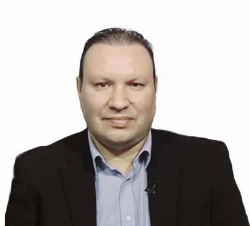
الدكتور علي سهيل، استشاري طب أمراض الصدر لدى الأطفال صاحب دراسة منشورة أخيراً حول عبء المرض، أوضح أن متوسط مدة التنويم في المستشفيات للأطفال المصابين بالفيروس يبلغ 7 إلى 8 أيام، وهي مدة أطول مقارنة بالالتهابات الفيروسية الأخرى، مما يزيد التكاليف المباشرة وغير المباشرة سواء على النظام الصحي أو على الأسر. كما أشار إلى أن نسبة دخول الأطفال إلى وحدات العناية المركزة تصل إلى 35.7% عند تطور المرض لمراحل متقدمة، وهو ما يعكس الضغط الكبير على هذه الوحدات، خصوصاً في موسم الشتاء المزدحم أصلاً (رابط الدراسة).
وأضاف الدكتور سهيل: هذه الأرقام تؤكد أن التعامل مع RSV يتجاوز كونه مسألة طبية فقط، فهو قضية صحة عامة ذات انعكاسات اقتصادية واجتماعية واضحة. كل يوم إضافي يقضيه الطفل في المستشفى يعني تكلفة أكبر على الأسرة وضغطاً متزايداً على موارد النظام الصحي.
وأشار إلى أن المملكة خطت خطوات مهمة من خلال اعتماد التحصين ضد الفيروس من قبل هيئة الغذاء والدواء السعودية، ما يعكس التزامها برفع مستوى الوقاية. غير أن نجاح هذه الجهود يتطلب الإسراع في توفير الوسائل الوقائية قبل بداية الموسم، بما يخفف العبء عن الأسر ويضمن استدامة خدمات الرعاية الصحية.
واختتم الدكتور سهيل حديثه قائلاً: نثق أن وزارة الصحة ستواصل جهودها الاستباقية لضمان جاهزية النظام الصحي وتوفير الحماية لجميع الأطفال قبل موسم الفيروس القادم، وهو ما يحقق فوائد صحية واقتصادية على حد سواء.
As the respiratory syncytial virus (RSV) season approaches in the Kingdom, doctors emphasize that this virus poses not only a health threat to children but also imposes increasing economic and social burdens on families and healthcare facilities.
Dr. Ali Suhail, a pediatric pulmonology consultant who recently published a study on the disease burden, explained that the average hospital stay for children infected with the virus is 7 to 8 days, which is longer compared to other viral infections, increasing both direct and indirect costs on the healthcare system and families. He also noted that the rate of children admitted to intensive care units reaches 35.7% when the disease progresses to advanced stages, reflecting the significant pressure on these units, especially during the already busy winter season (link to the study).
Dr. Suhail added: These figures confirm that dealing with RSV goes beyond being merely a medical issue; it is a public health matter with clear economic and social implications. Every additional day a child spends in the hospital means greater costs for the family and increasing pressure on the resources of the healthcare system.
He pointed out that the Kingdom has taken significant steps by adopting vaccination against the virus by the Saudi Food and Drug Authority, reflecting its commitment to enhancing preventive measures. However, the success of these efforts requires expediting the provision of preventive means before the season begins, alleviating the burden on families and ensuring the sustainability of healthcare services.
Dr. Suhail concluded his remarks by stating: We trust that the Ministry of Health will continue its proactive efforts to ensure the readiness of the healthcare system and provide protection for all children before the upcoming virus season, which will yield both health and economic benefits.