في المؤسسات الأكاديمية والتعليمية؛ لا يعد مفهوم إدارة المخاطر نشاطاً منفصلاً يمارس بمعزل عن سير العمل اليومي، بل يجب أن يدمج في مهام المدير وأعضاء الهيئة التعليمية. يتطلب ذلك تضمين تقييم درجة عدم اليقين في مراحل التخطيط والتنفيذ والتقييم اليومي، بما يعزز استمرارية الخدمات التعليمية وجودتها حتى في ظل المتغيرات المفاجئة.
وفي هذا الإطار، قدم الخبير «أليكس سيدورينكو» (2 يونيو 2025) دراسة نقدية تحليلية لمبدأ (21) ضمن إطار (COSO)، موضحاً أن الاكتفاء بإنشاء وحدة مستقلة لإدارة المخاطر قد يؤدي إلى تحويل الموارد إلى أعمال ورقية لا ترتقي إلى مستوى دعم صنع القرار، كما أنه عند عزل معلومات قسم المخاطر عن الواقع العملي ينشأ وهمٌ زائف لدى المديرين التنفيذيين بأن الأمور تحت السيطرة، في حين يغيب التفكير الفعلي في المخاطر والاستعداد لها.
وهنا يبرز أن عدم اليقين يحدث في البيئة التعليمية عندما تفتقر المؤسسة إلى بيانات كافية للتنبؤ بنتائج السياسات التربوية، أو لتقدير تأثير التحولات التقنية والاجتماعية في مسار العملية التعليمية. ومن أمثلة ذلك تغيّرٌ مفاجئ في سياسات وزارة التعليم أو معايير الاعتماد الأكاديمي، أو انقطاع الخدمات التقنية أو ضعف البنية التحتية الرقمية دون إنذار مسبق، أو حتى ظهور أزمة صحية أو مخاطر طبيعية تستدعي تعليق الدراسة الحضورية.
لذلك ينبغي وضع آلية رصد مستمر للمؤشرات الأولية وتنبيه المسؤول إلى أي تغيير طارئ يؤثر في استقرار العملية التعليمية، ويتحقق ذلك من خلال إجراءات تطبيقية تتضمن:
أولاً: دمج إدارة المخاطر وعدم اليقين في الخطط السنوية والفصلية.
ثانياً: تحويل ثقافة المؤسسة إلى نهج تحسين مستمر.
ثالثاً: وضع سيناريوهات بديلة لكل خدمة تعليمية مقدمة.
رابعاً: مشاركة المسؤوليات على جميع المستويات من المدير إلى المعلم في الصف.
خامساً: توجه إدارة المخاطر المؤسسية جهودها لتكون قريبة لكل مسؤول وموظف أو مدرسة.
إن إدارة المخاطر وتقييم درجة عدم اليقين لا تؤجلان إلى لحظة الحاجة، بل هي نهج عمل يومي يطبقهما المسؤول الأول وكافة المعنيين داخل المؤسسة التعليمية.


تابع قناة عكاظ على الواتساب
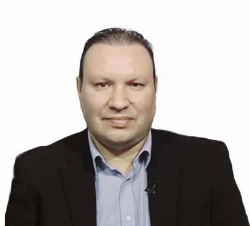
د. عبدالمعتني المزروعي
باحث في مجال إدارة الأزمات والمخاطر
Almazrou73@
In academic and educational institutions, the concept of risk management is not a separate activity practiced in isolation from daily operations; rather, it should be integrated into the tasks of the manager and members of the educational staff. This requires incorporating the assessment of uncertainty into the stages of planning, implementation, and daily evaluation, which enhances the continuity and quality of educational services even in the face of sudden changes.
In this context, expert "Alex Sidorenko" (June 2, 2025) presented a critical analytical study of Principle (21) within the COSO framework, explaining that merely establishing an independent risk management unit may lead to diverting resources into paperwork that does not rise to the level of supporting decision-making. Furthermore, when risk department information is isolated from practical reality, a false illusion arises among executives that things are under control, while actual thinking about risks and preparedness is absent.
Here, it is evident that uncertainty occurs in the educational environment when the institution lacks sufficient data to predict the outcomes of educational policies or to estimate the impact of technological and social transformations on the course of the educational process. Examples of this include sudden changes in the Ministry of Education's policies or academic accreditation standards, interruptions in technical services, or weak digital infrastructure without prior warning, or even the emergence of a health crisis or natural risks that necessitate the suspension of in-person classes.
Therefore, a mechanism for continuous monitoring of early indicators should be established to alert the responsible parties to any sudden changes affecting the stability of the educational process. This can be achieved through practical measures that include:
First: Integrating risk management and uncertainty into annual and semester plans.
Second: Transforming the institution's culture into a continuous improvement approach.
Third: Developing alternative scenarios for each educational service provided.
Fourth: Sharing responsibilities at all levels from the manager to the teacher in the classroom.
Fifth: Directing institutional risk management efforts to be close to every responsible person, employee, or school.
Risk management and the assessment of uncertainty should not be postponed until the moment of need; rather, they are a daily operational approach implemented by the primary responsible party and all stakeholders within the educational institution.
In this context, expert "Alex Sidorenko" (June 2, 2025) presented a critical analytical study of Principle (21) within the COSO framework, explaining that merely establishing an independent risk management unit may lead to diverting resources into paperwork that does not rise to the level of supporting decision-making. Furthermore, when risk department information is isolated from practical reality, a false illusion arises among executives that things are under control, while actual thinking about risks and preparedness is absent.
Here, it is evident that uncertainty occurs in the educational environment when the institution lacks sufficient data to predict the outcomes of educational policies or to estimate the impact of technological and social transformations on the course of the educational process. Examples of this include sudden changes in the Ministry of Education's policies or academic accreditation standards, interruptions in technical services, or weak digital infrastructure without prior warning, or even the emergence of a health crisis or natural risks that necessitate the suspension of in-person classes.
Therefore, a mechanism for continuous monitoring of early indicators should be established to alert the responsible parties to any sudden changes affecting the stability of the educational process. This can be achieved through practical measures that include:
First: Integrating risk management and uncertainty into annual and semester plans.
Second: Transforming the institution's culture into a continuous improvement approach.
Third: Developing alternative scenarios for each educational service provided.
Fourth: Sharing responsibilities at all levels from the manager to the teacher in the classroom.
Fifth: Directing institutional risk management efforts to be close to every responsible person, employee, or school.
Risk management and the assessment of uncertainty should not be postponed until the moment of need; rather, they are a daily operational approach implemented by the primary responsible party and all stakeholders within the educational institution.