ثمة مؤشرات ونتائج حققها «التحول الصحي» في بلادنا، مثل: التحول الإلكتروني الضخم، الصحة الإلكترونية وإسهامها في تطوير الخدمات، والتطور الصناعي من حيث توفير وتوطين الصناعات الدوائية وتوطينها، ثم دعم هذا المنحنى المؤثر بشكل كبير على أمننا الصحي.
وهناك المبادرات الكثيرة على صعيد الخدمات الطبية والإكلينيكية، وسلاسة الانتقال بين مراحل الخدمة المختلفة من الرعاية الأولية إلى الخدمات الثانوية ثم التخصصية.
أما العلاج بالخارج فشهد انخفاضاً في أعداد المرضى المرسلين نتيجة لتحسن وتقدم العلاج بالمملكة والوصول لمراحل تدعم وجود أغلب العلاجات والتدخلات الجراحية والطبية دون الحاجة للسفر للخارج، وكثير هي الإنجازات التي لا يتسع المجال لذكرها في عجالة.
على الرغم من هذا كله وغيره؛ هل لمس المستفيد ذلك بشكل مباشر؟.. يبقى هذا السؤال الأهم المطروح اليوم بخصوص التحول الصحي ومدى تلمسه لاحتياجات المريض وإحساسه بالأثر لكل ما تم وما يتم، وتبقى تجربة المريض هي أحد الأسس أو المعايير التي تحكم على مدى نجاح التحول الصحي، ولا أقصد هنا مقاييس تجربة المريض التقليدية أو القياسات التي تتم بشركات أجنبية أو محلية أو عن طريق المنشآت بشكل مباشر، فللأسف أثبتت عدم دقتها مقارنة بمنشآت طبية تحصل على أعلى نسب التقييم رغم أن الرأي العام عنها متدنٍ جداً، مما يثير التهكم أحياناً بين أفراد المجتمع عند معرفة النتائج.
أعتقد أن الرأي العام للمستفيدين وقياسه بطرق أكثر بساطة سيكون أسهل على المستفيد في التقييم بشكل منطقي وواقعي يعكس رأي المجتمع، وأيضاً لا ننسى الفئة الكبيرة التي فشلت المنشأة في كسب ثقتهم بالحضور أصلاً وتلقي الخدمة منها، وهو دور أصيل على المنشآت في تحسين الصورة الذهنية عنها في المجتمع المستفيد منها.
لا نستطيع أن نقول بنجاح التحول والاحتفال بمراحل النجاح إلا عندما نرى ذلك الانعكاس على المستفيدين بشكل صحيح يجعل الاحتفال هو فرحة المجتمع بما وصل له النظام الصحي.


تابع قناة عكاظ على الواتساب
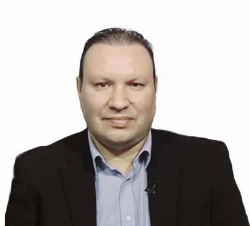
محمد السنان
mhalsinan@
There are indicators and results achieved by the "health transformation" in our country, such as: the massive electronic transformation, e-health and its contribution to the development of services, and industrial development in terms of providing and localizing pharmaceutical industries, which significantly supports this curve affecting our health security.
There are many initiatives in the field of medical and clinical services, and the smooth transition between different service stages from primary care to secondary services and then to specialized services.
As for treatment abroad, there has been a decrease in the number of patients sent due to the improvement and advancement of treatment in the kingdom and reaching stages that support the availability of most treatments and surgical and medical interventions without the need to travel abroad. There are many achievements that cannot be mentioned briefly.
Despite all of this and more; did the beneficiaries feel this directly? This remains the most important question raised today regarding health transformation and how it addresses the needs of the patient and their sense of the impact of everything that has been done and is being done. The patient experience remains one of the foundations or criteria that determine the success of health transformation. I do not mean here the traditional measures of patient experience or the assessments conducted by foreign or local companies or directly by facilities, as unfortunately, they have proven to be inaccurate compared to medical facilities that receive the highest evaluation rates, despite the very low public opinion about them, which sometimes provokes ridicule among community members when they learn of the results.
I believe that the public opinion of the beneficiaries and measuring it in simpler ways would be easier for the beneficiaries to evaluate logically and realistically, reflecting the opinion of the community. We also should not forget the large segment that the facility failed to gain their trust by not attending at all and receiving services from it, which is a fundamental role for facilities in improving their mental image in the community that benefits from them.
We cannot declare the success of the transformation and celebrate the stages of success until we see that reflection on the beneficiaries in a way that truly makes the celebration a joy for the community regarding what the health system has achieved.
There are many initiatives in the field of medical and clinical services, and the smooth transition between different service stages from primary care to secondary services and then to specialized services.
As for treatment abroad, there has been a decrease in the number of patients sent due to the improvement and advancement of treatment in the kingdom and reaching stages that support the availability of most treatments and surgical and medical interventions without the need to travel abroad. There are many achievements that cannot be mentioned briefly.
Despite all of this and more; did the beneficiaries feel this directly? This remains the most important question raised today regarding health transformation and how it addresses the needs of the patient and their sense of the impact of everything that has been done and is being done. The patient experience remains one of the foundations or criteria that determine the success of health transformation. I do not mean here the traditional measures of patient experience or the assessments conducted by foreign or local companies or directly by facilities, as unfortunately, they have proven to be inaccurate compared to medical facilities that receive the highest evaluation rates, despite the very low public opinion about them, which sometimes provokes ridicule among community members when they learn of the results.
I believe that the public opinion of the beneficiaries and measuring it in simpler ways would be easier for the beneficiaries to evaluate logically and realistically, reflecting the opinion of the community. We also should not forget the large segment that the facility failed to gain their trust by not attending at all and receiving services from it, which is a fundamental role for facilities in improving their mental image in the community that benefits from them.
We cannot declare the success of the transformation and celebrate the stages of success until we see that reflection on the beneficiaries in a way that truly makes the celebration a joy for the community regarding what the health system has achieved.