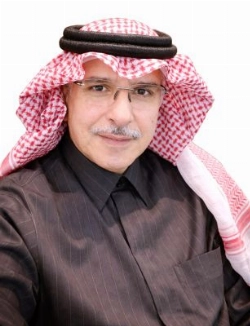
فور صدور قرار مجلس الوزراء الموقر بأن يكون اليوم (الثاني عشر) من شهر مايو من كل عام يوماً للتبرع بالأعضاء، تفاعل الدكتور ماجد بن إبراهيم الفياض، الرئيس التنفيذي لمجموعة مستشفى الملك فيصل التخصصي ومركز الأبحاث، مع هذا القرار، فسطّر على حسابه في منصة (X) قائلاً: «موافقة مجلس الوزراء على تخصيص يوم 12 مايو من كل عام يوماً للتبرع بالأعضاء، خطوة مهمة تعزّز ما حقّقته المملكة من تقدّم في زراعة الأعضاء، وتسهم في ترسيخ ثقافة التبرع والتكافل، بما يمنح مزيداً من المرضى فرصة جديدة للحياة».
يأتي هذا المنشور إدراكاً تاماً منه بأهمية هذا النداء، واستشعاراً لبارق الإشارة التي تومي باتجاه «التخصصي»، والدور المنوط به في زراعة الأعضاء، والتوسع فيها.
ولا تحسبنّ أنّ موافقة مجلس الوزراء على تخصيص هذا اليوم للتبرع بالأعضاء، من مستنسلات الاعتياد، أو الإشارات العابرات في روزنامة الحياة، الماضية ركضاً متسارعاً ولاهثاً، لا والله، إنّها لحظة تدير فيها المملكة وجه العالم كلّه، بلا استثناء، إلى قضية إنسانية بالغة النّبل، قضية تمسّ الجميع، إذ لا يخلو ركن من أركان البسيطة عن مسيس الحاجة إليها، إنقاذاً لأنفس أضناها الألم، وطواها الأسى والقنوط، ولا خلاص لها من حالة التأرجح بين الموت والحياة إلا بإغاثة متبرعٍ، ونخوة مانح.
إنه صنيع «الرؤية» التي تبصر بها المملكة، وتتطلع إلى ما يهمّ العالم أجمع، لتضيف بهذا التخصيص يوماً جديداً إلى التقويم، يمنح الإنسانية موعداً سنوياً تتجدّد معه الدّعوة إلى العطاء، وتتّسع معه مساحة الوعي، ويعلو فيه صوت الأمل. وما على ذوي الحِجى والنّفوس الكبار إلّا أن يثبّتوا الموعد في مضابط تقاويمهم السنوية، ويبصموا عليها، تقديراً لنبل المقصد، واعترافاً بفضل المملكة في التنويه إليه.
وما كان للمملكة أن تبتدر بالنّداء لأمر لم تستوفِ حقّه ومستحقه، فقدمُها في مجال زراعة الأعضاء، والتبرّع بها رسخت، والشّواهد على علو كعبها في ذلك كثيرة، إذ صارت مضرب مثل، ومقصداً لمن ينشد العلاج، وهي التي قطعت بالفعل شوطاً مهماً في هذا المجال.
أُنشئ المركز السعودي لزراعة الأعضاء، وتطوّرت مهامه عبر عقود، وأقرّت المملكة نظام التبرّع بالأعضاء عام 2021، كما سجّل خادم الحرمين الشريفين الملك سلمان بن عبدالعزيز، وولي العهد الأمين، في برنامج التبرع بالأعضاء، مبادرة حملت رسالة إنسانية رفيعة وشجّعت المجتمع على الإقبال على هذا العمل النبيل.
تكشف التجربة السعودية أنّ المنظومة لا تقف عند حدود تشجيع المتبرع، وإنما تهتم أيضاً بحقوقه وتقدير عطائه.
يمثّل مستشفى الملك فيصل التخصصي ومركز الأبحاث رأس الرّمح في مجال زراعة الأعضاء، وقد ذاع صيته عالمياً في هذا المجال، كفاء تسخيره لأحدث التقنيات، ودخول الروبوتات والذكاء الاصطناعي في العمليات الجراحية، وزراعة الأعضاء. واللافت، أنّ التبرع بالأعضاء لم يعد فكرة غامضة أو إجراءً بعيداً عن متناول الناس، فقد أسهمت المنظومة الصحيّة السّعودية في تسهيل إبداء الرغبة بالتبرع عبر القنوات الرقمية، ومنها تطبيق «توكلنا»، مع وجود أطر تنظيمية تحفظ حقوق المتبرعين وتنظم عمليات التبرع والزراعة.
إنّ التبرع بالأعضاء من أسمى صور العطاء؛ لأنّ الإنسان يمنح جزءاً من جسده لإنسان آخر كي يستعيد قدرته على الحياة، ويخرج من أسر المرض، بعين أكثر أملاً.
قد يذهب المال ويُستهلك، وقد تنتهي الهدايا بانتهاء مناسبتها، أمّا العضو الذي يُمنح لمريض محتاج فقد يتحوّل إلى عمر جديد، وبيت يستعيد فرحته، وأسرة تتخلّص من ألم الانتظار. من هنا تأتي أهمية تخصيص يوم وطني سنوي للتبرع بالأعضاء، فالمجتمعات لا تبني ثقافاتها الكبرى بالقرارات وحدها، وإنّما بالتكرار الواعي للفكرة حتى تتحوّل من معلومة عابرة إلى قناعة راسخة، ومن قناعة إلى سلوك، ومن سلوك فردي إلى ثقافة اجتماعية.
سبق أن أعلنت هيئة كبار العلماء جواز نقل الأعضاء من إنسان إلى آخر، حيّاً كان أو ميتاً، بما يؤكّد أنّ هذا الباب يجد له سنداً شرعياً واضحاً.
إنّ خطوة تخصيص الثاني عشر من شهر مايو من كلّ عام يوماً للتبرع بالأعضاء ستنقل قضية التبرع من نطاق المبادرة الفردية المتفرّقة إلى ثقافة وطنية معلنة.
فوجود يوم محدّد يعني أنّ القضية ستعود إلى الواجهة كلّ عام، وأنّ المؤسّسات قادرة على بناء برامج توعوية طويلة المدى حولها، والمعوّل أن يقوم الإعلام بما يستطيع لتحويل المناسبة إلى مساحة لسرد قصص الأمل، كما أنّ المدارس والجامعات والجمعيات تستطيع المشاركة في صناعة وعي جديد يضع قيمة إنقاذ الإنسان في مقدمة القيم الاجتماعية.
ولي عودة إلى هذا الموضوع من منظور آخر إن أمدّ الله في الآجال.
As soon as the esteemed Cabinet of Ministers announced that the twelfth day of May each year would be a day for organ donation, Dr. Majid bin Ibrahim Al-Fayyad, the CEO of King Faisal Specialist Hospital and Research Center, reacted to this decision by stating on his account on the (X) platform: “The Cabinet's approval to designate May 12 of each year as a day for organ donation is an important step that enhances what the Kingdom has achieved in organ transplantation and contributes to establishing a culture of donation and solidarity, giving more patients a new chance at life.”
This post reflects his full awareness of the importance of this call and his sensitivity to the significant signal pointing towards the “Specialist” and its role in organ transplantation and its expansion.
Do not think that the Cabinet's approval to designate this day for organ donation is just a routine occurrence or a fleeting signal in the fast-paced and breathless calendar of life; no, by God, it is a moment in which the Kingdom turns the attention of the entire world, without exception, to a noble humanitarian issue that affects everyone. There is not a corner of this planet that does not have a pressing need for it, saving souls burdened by pain, enveloped in sorrow and despair, with no escape from the oscillation between life and death except through the aid of a donor and the generosity of a giver.
It is the work of the “Vision” that the Kingdom sees through, looking towards what concerns the entire world, adding with this designation a new day to the calendar, granting humanity an annual appointment that renews the call for giving, expands the space of awareness, and elevates the voice of hope. All that is left for those of wisdom and noble souls is to mark this date in their annual calendars and endorse it, in appreciation of the noble intent and recognition of the Kingdom's merit in highlighting it.
It would not have been appropriate for the Kingdom to initiate a call for something it has not fulfilled its right and due, for its contributions in the field of organ transplantation and donation are firmly established, with many witnesses to its high standing in this regard, as it has become a model and a destination for those seeking treatment, having indeed made significant strides in this field.
The Saudi Center for Organ Transplantation was established, and its tasks have evolved over decades. The Kingdom approved the organ donation system in 2021, and King Salman bin Abdulaziz and the Crown Prince participated in the organ donation program, an initiative that carried a high humanitarian message and encouraged the community to engage in this noble work.
The Saudi experience reveals that the system does not stop at encouraging the donor but also cares for their rights and appreciates their contributions.
King Faisal Specialist Hospital and Research Center represents the spearhead in the field of organ transplantation and has gained international recognition in this area, thanks to its utilization of the latest technologies and the incorporation of robotics and artificial intelligence in surgical procedures and organ transplantation. Notably, organ donation is no longer a vague idea or a procedure beyond people's reach; the Saudi health system has facilitated expressing the desire to donate through digital channels, including the “Tawakkalna” application, with regulatory frameworks in place to protect donors' rights and organize donation and transplantation processes.
Organ donation is one of the noblest forms of giving; a person gives a part of their body to another person to regain their ability to live and escape the clutches of illness, with a more hopeful outlook.
Money may come and go, and gifts may end with their occasion, but an organ given to a needy patient can transform into a new life, a home that regains its joy, and a family that frees itself from the pain of waiting. Hence, the importance of designating an annual national day for organ donation arises, as societies do not build their great cultures solely through decisions, but through the conscious repetition of the idea until it transforms from a fleeting piece of information into a firm conviction, from conviction into behavior, and from individual behavior into a social culture.
The Council of Senior Scholars has previously announced the permissibility of organ transfer from one person to another, whether living or deceased, confirming that this matter has a clear legal basis.
The step of designating the twelfth of May each year as a day for organ donation will elevate the issue of donation from the realm of scattered individual initiatives to a declared national culture.
The existence of a specific day means that the issue will return to the forefront every year, and that institutions will be able to build long-term awareness programs around it. It is hoped that the media will do its part to transform the occasion into a space for sharing stories of hope, and that schools, universities, and associations can participate in creating a new awareness that places the value of saving a human life at the forefront of social values.
I will return to this topic from another perspective if God grants us more time.