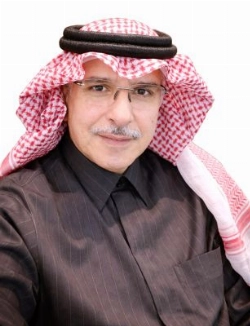
من تابع أعمال مؤتمر «حوار الأمن والتاريخ 2026» في الرياض يكتشف أن أهمية الحدث تجاوزت حدود المؤتمر التقليدي؛ كمحاولة لقراءة العلاقة بين الأمن وبناء الدولة والتنمية والهوية والوعي، ووضع التجربة السعودية الممتدة لأكثر من ثلاثة قرون أمام نخبة واسعة من الإعلاميين والباحثين والخبراء والمسؤولين، ونظّمت وزارة الداخلية المؤتمر في قصر الثقافة بحي السفارات في الرياض، خلال الفترة من 6 إلى 8 سبتمبر 2026، تحت شعار «تاريخنا ومستقبلنا.. أمن ونماء»، بمشاركة أكثر من 160 متحدثاً، وأكثر من 30 جهة، وتضمّن أكثر من 65 جلسة حوارية ولقاءً تفاعلياً، إضافة إلى معرض وفعاليات وتجارب معرفية وثقافية، فيما أشارت البيانات التعريفية للمؤتمر إلى استقبال نحو 5000 زائر من داخل المملكة وخارجها، وهي أرقام تعكس اتساع نطاق الحدث وتنوع مجالاته، وتأتي أهمية هذه الأرقام من طبيعة المشاركين والموضوعات المطروحة؛ فالمؤتمر جمع أصحاب السمو والمعالي والقيادات والمسؤولين والخبراء والباحثين والأكاديميين، وناقش الأمن والتنمية والاقتصاد والمجتمع والثقافة والهوية الوطنية والوعي والاعتدال والعلاقات الدولية وتطور المؤسسات والقدرات الأمنية ودور الأمن في دعم الاستثمار وتحسين جودة الحياة، وهنا تحديداً تظهر قيمة المؤتمر؛ لأنه يقدم الأمن باعتباره عنصراً من عناصر بناء الدولة، وليس ملفاً منفصلاً عن بقية مسارات التنمية، فاستقرار المجتمعات ينعكس على الاقتصاد والاستثمار والتعليم والسياحة وجودة الحياة، كما أن التاريخ يمنح الأجيال القدرة على فهم الكيفية التي تطورت بها المؤسسات والممارسات وصولاً إلى صورتها الحديثة، واللافت في المؤتمر أيضاً أن التاريخ لا يقدم بوصفه سرداً للماضي فقط، وإنما باعتباره مادة لفهم الحاضر واستشراف المستقبل، ولذلك جاءت الشراكة مع دارة الملك عبدالعزيز في المحتوى العلمي والتاريخي، إلى جانب شراكات مع جهات أمنية وعسكرية وأكاديمية وإعلامية وثقافية، بما يوسع زاوية النظر إلى التجربة السعودية ويمنحها قراءة متعددة التخصصات، وفي وسط هذا الحضور المتنوع، يبرز الإعلام باعتباره أحد أهم محاور المؤتمر؛ لأن الأمن والتاريخ يحتاجان إلى إعلام يستطيع تقديم المعلومة في سياقها الصحيح، إعلام رصين ومتفاعل ومسؤول، يقاوم الشائعة قبل أن تتحول إلى رواية عامة، ومن أبرز المشاركين الإعلاميين جميل الذيابي، رئيس تحرير صحيفة عكاظ والمشرف العام على صحيفة سعودي جازيت، الذي شارك في المؤتمر من خلال محورين مرتبطين مباشرة بالوعي والأمن؛ الأول كلمة خاصة حول كيفية تعزيز الصحف السعودية للوعي الوطني، والثاني جلسة حوارية بعنوان «الإعلام والقطاعات الأمنية.. التواصل والشراكة»، واكتسبت مشاركة الذيابي أهمية خاصة لأنها تضع الإعلام أمام مسؤوليته المهنية في قضية تتجاوز نشر الأخبار إلى صناعة المعرفة العامة؛ فالصحيفة الرصينة لا تكتفي بنقل البيان، وإنما تشرح خلفياته، وتضع المعلومة في سياقها، وتتحقق من مصادرها، وتمنح القارئ صورة متوازنة تساعده على تكوين موقف مبني على المعرفة، وقد شدد الذيابي، في حديثه عن الوعي الوطني، على أهمية المعلومة الموثوقة باعتبارها خط الدفاع الأول أمام الشائعات، وعلى أن صناعة الوعي ليست مسؤولية الصحافة وحدها، وإنما مسؤولية مشتركة بين مؤسسات الدولة والمجتمع والإعلام، وهذه الفكرة تستحق التوقف عندها؛ لأن البيئة الإعلامية الحالية تختلف جذرياً عن السابق، فالمعلومة تنتقل خلال ثوانٍ بين المواقع والمنصات والحسابات الشخصية، وقد تنتشر الرواية غير الدقيقة قبل أن تتمكن المؤسسات المهنية من تقديم التصحيح، ولذلك أصبحت سرعة التحقق لا تقل أهمية عن سرعة النشر، وأصبح غياب المعلومة الموثوقة مساحة مفتوحة للشائعة والتأويل والتضليل، ومن هنا فإن الإعلام الرصين يمثل جزءاً من منظومة الأمن المعرفي؛ ليس لأنه يكرر الخطاب الرسمي، وإنما لأنه يمارس وظيفته المهنية في التحقق والتفسير والمساءلة والتوثيق، ويحافظ في الوقت نفسه على حساسية المعلومات التي قد يضر نشرها غير المنضبط بالمصلحة العامة، وأرى أن أحد أهم الدروس التي يقدمها «حوار الأمن والتاريخ» يتمثل في جمعه بين المعلومة التاريخية والخبرة الأمنية والرؤية الأكاديمية والمعالجة الإعلامية في مساحة واحدة؛ فالتاريخ يوفر السياق، والأمن يقدم الاستقرار والجودة والخبرة، والبحث العلمي يقدم المنهج، والإعلام ينقل المعرفة إلى المجتمع بلغة مفهومة وقابلة للتداول، كما أن وجود أكثر من 160 متحدثاً وأكثر من 30 جهة مشاركة وأكثر من 65 جلسة ولقاء تفاعلي منح المؤتمر فرصة لإنتاج محتوى معرفي واسع، ومخرجات ثمينة بطريقة مهنية وتفاعلية، يمكن أن يستمر أثره بعد انتهاء أيامه الثلاثة، خصوصاً أن أحد أهدافه المعلنة هو إنتاج محتوى موثق يستفيد منه الباحثون والأجيال القادمة، وتعزيز الوعي بالمسيرة التاريخية والهوية الوطنية والانتماء، وهنا تبرز مسؤولية وسائل الإعلام في المرحلة التالية للمؤتمر؛ ومن هنا يبرز قدرة الإعلام على تحويل ما دار في القاعات إلى معرفة تصل إلى الجمهور، وتبقى في الذاكرة، وتفتح نقاشاً أوسع حول علاقة الأمن بالتنمية، والتاريخ بالهوية، والمعلومة بالوعي، وفي تقديري أن مؤتمر «حوار الأمن والتاريخ» قدم نموذجاً مهماً للمؤتمرات التي لا تفصل بين الماضي والمستقبل؛ فهو استحضر ثلاثة قرون من التجربة السعودية لكي يقرأ من خلالها أسئلة الدولة الحديثة، واستضاف المتخصصين من مجالات متعددة، والإعلام التقليدي أصبح من الضرورة أن يدمج نفسه مع الإعلام الجديد، من خلال تفعيل وسائله المتعددة والسرعة والتميز والتأثير، ويصبح الخبر لا يقدم في 24 ساعة للمتلقي، بل في ثانية، مما يتطلب من الصحف والمؤسسات الإعلامية التقليدية لمواكبة التطور الهائل وقد بدأت فعلاً، وسيتطلب ذلك سرعة كبيرة ومهارة عالية ومسؤولية أكبر، وهذه الحوارات التي تميزت الدولة بتقديمها بطريقة مهنية وحرفية، هامة للغاية وأتمنى أن تبقى بشكل دائم وتتوسع، لأن نتائجها مفيدة وتساعد إعلامنا الرصين في استعادة قدراته وأهميته، وقوته، وهو الإعلام الذي يمثل أمناً فكرياً وتوعوياً وخبرياً هاماً للغاية، لأنه موثوق وذو مصداقية، ويراعي المصالح العليا للمواطن الكبير والمقيم وقبل ذلك الوطن، ويحارب التضليل والشائعة والتزييف، وأعتبره فعلاً أمناً قومياً هاماً، يستحق دعماً كبيراً.
Those who followed the activities of the "Security and History Dialogue 2026" conference in Riyadh discover that the significance of the event transcended the boundaries of a traditional conference; it was an attempt to read the relationship between security, state-building, development, identity, and awareness, and to present the extensive Saudi experience of more than three centuries to a wide elite of media professionals, researchers, experts, and officials. The Ministry of Interior organized the conference at the Cultural Palace in the Diplomatic Quarter in Riyadh, from September 6 to 8, 2026, under the slogan "Our History and Our Future... Security and Growth," with the participation of more than 160 speakers and over 30 entities. It included more than 65 discussion sessions and interactive meetings, in addition to an exhibition and various knowledge and cultural experiences. The conference's introductory data indicated the reception of around 5,000 visitors from inside and outside the Kingdom, figures that reflect the broad scope of the event and the diversity of its fields. The importance of these numbers stems from the nature of the participants and the topics discussed; the conference brought together princes, dignitaries, leaders, officials, experts, researchers, and academics, discussing security, development, economy, society, culture, national identity, awareness, moderation, international relations, the evolution of institutions, security capabilities, and the role of security in supporting investment and improving quality of life. Herein lies the value of the conference; it presents security as an element of state-building, not as a separate file from other development paths. The stability of societies reflects on the economy, investment, education, tourism, and quality of life. Moreover, history grants generations the ability to understand how institutions and practices evolved into their modern form. Notably, the conference also presented history not merely as a narrative of the past but as material for understanding the present and anticipating the future. Therefore, the partnership with the King Abdulaziz Foundation for Research and Archives in scientific and historical content, alongside partnerships with security, military, academic, media, and cultural entities, broadens the perspective on the Saudi experience and offers a multidisciplinary reading. Amid this diverse presence, media emerges as one of the most important axes of the conference; because security and history require media that can present information in its correct context—serious, interactive, and responsible media that combats rumors before they turn into a widespread narrative. One of the prominent media participants was Jameel Al-Dhiabi, the editor-in-chief of Okaz newspaper and the general supervisor of Saudi Gazette, who participated in the conference through two axes directly related to awareness and security; the first was a special speech on how Saudi newspapers can enhance national awareness, and the second was a discussion session titled "Media and Security Sectors... Communication and Partnership." Al-Dhiabi's participation gained particular importance as it placed media before its professional responsibility in a matter that transcends news dissemination to the creation of public knowledge; a serious newspaper does not merely convey statements but explains their backgrounds, contextualizes information, verifies its sources, and provides the reader with a balanced picture that helps them form a position based on knowledge. Al-Dhiabi emphasized, in his discussion on national awareness, the importance of reliable information as the first line of defense against rumors, and that the creation of awareness is not solely the responsibility of the press but a shared responsibility among state institutions, society, and media. This idea deserves attention; because the current media environment is fundamentally different from the past, information travels within seconds across sites, platforms, and personal accounts, and an inaccurate narrative may spread before professional institutions can provide corrections. Therefore, the speed of verification has become as important as the speed of publication, and the absence of reliable information creates an open space for rumors, interpretation, and deception. Hence, serious media represents a part of the knowledge security system; not because it repeats the official discourse, but because it performs its professional function in verification, interpretation, accountability, and documentation, while simultaneously maintaining the sensitivity of information that may harm the public interest if published indiscriminately. I believe that one of the most important lessons offered by the "Security and History Dialogue" is its integration of historical information, security expertise, academic vision, and media treatment in one space; history provides the context, security offers stability, quality, and expertise, scientific research provides methodology, and media conveys knowledge to society in an understandable and shareable language. Additionally, the presence of more than 160 speakers, over 30 participating entities, and more than 65 sessions and interactive meetings provided the conference with an opportunity to produce extensive knowledge content and valuable outputs in a professional and interactive manner, the impact of which can continue after its three days, especially since one of its declared goals is to produce documented content that benefits researchers and future generations, and to enhance awareness of the historical journey, national identity, and belonging. Here lies the responsibility of the media in the phase following the conference; thus, the media's ability to transform what took place in the halls into knowledge that reaches the public, remains in memory, and opens broader discussions about the relationship between security and development, history and identity, and information and awareness. In my opinion, the "Security and History Dialogue" conference presented an important model for conferences that do not separate between the past and the future; it invoked three centuries of the Saudi experience to read through it the questions of the modern state, hosted specialists from various fields, and traditional media must now integrate itself with new media by activating its multiple tools, speed, distinction, and influence. News is no longer presented in 24 hours to the recipient but in seconds, which requires traditional newspapers and media institutions to keep pace with this tremendous development, and they have already begun to do so. This will require great speed, high skill, and greater responsibility. The dialogues that the state distinguished itself in presenting in a professional and skilled manner are extremely important, and I hope they remain permanent and expand, as their results are beneficial and help our serious media regain its capabilities, importance, and strength. This media represents a significant intellectual, awareness, and news security, as it is reliable and credible, considers the higher interests of citizens and residents, and, above all, the nation, and combats deception, rumors, and falsification. I consider it indeed an important national security matter that deserves substantial support.