تابع قناة عكاظ على الواتساب
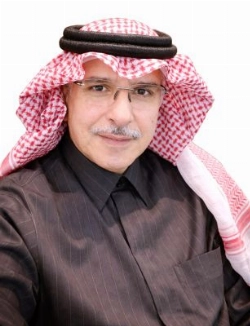
يجب أن أعترف أولاً بتقصيري تجاه المعلّق الرياضي خالد المديفر، فقد استمعت إلى تعليقه للمرة الأولى خلال مباراة القادسية ونيوم، ولم أكن قبلها أتابع أداءه بالقدر الذي يسمح لي بتكوين رأي واضح عنه، لكنني، كمشاهد، وجدت نفسي مشدوداً إلى صوته وطريقة تعليقه، وشعرت بنشوة حقيقية وأنا أستمع إلى معلّق سعودي يمتلك هذه الكفاءة وهذا الحضور المختلف عن كثير من المعلّقين.
- فهو لا يحتاج إلى الصراخ حتى يلفت انتباهك، ولا إلى رفع صوته حتى تشعر بحماس المباراة. صوته هادئ، وأسلوبه متزن، وتعليقه لا يؤذي أذن المشاهد، بل يجعله أكثر تركيزاً فيما يحدث داخل الملعب، وهنا تكمن المشكلة التي دفعتني إلى كتابة هذا المقال، فبعض المعلّقين اختصروا التعليق الرياضي في الصراخ والتكرار والخروج عن النص، حتى أصبح المشاهد أحياناً أمام «هرج ومرج» أكثر منه تعليقاً على مباراة كرة قدم وكأنه في «حراج سيارات».
- وقد يصل الأمر إلى أن تضطر إلى الضغط على زر خفض صوت التلفاز بحثاً عن شيء من الراحة، خصوصاً عندما تكون المباراة في الأصل مشحونة بالأعصاب بسبب قرار تحكيمي، أو فرصة ضائعة، أو أداء سيئ للاعب، ليأتي المعلّق ويكمل عليك الناقص!
- أنا هنا لا أضع جميع المعلّقين في سلّة واحدة؛ فهناك أسماء متميّزة ومحترمة تمتلك أدوات التعليق الرياضي الحقيقي. لكنني أتحدث عن ظاهرة أصبحت واضحة، وهي الاعتقاد بأن رفع الصوت والمبالغة في الانفعال وترديد العبارات الحماسية هو الطريق الأقصر إلى كسب إعجاب الجماهير، وكأن هناك من يعتقد أن «الجمهور يحب الصياح»!
- بينما المشاهد، في رأيي، يبحث عن شيء أهم من ذلك بكثير.. يريد أن يعرف ماذا يحدث داخل الملعب، ولماذا تحرك اللاعب بهذه الطريقة، وكيف بُنيت الهجمة، وما الدور الذي قام به كل لاعب، وماذا أراد المدرب من هذا التغيير أو ذاك.. يريد معلّقاً يضيف إلى المباراة، لا معلّقاً ينافسها على مستوى الصوت!
- وهذا تحديداً ما لفت انتباهي في المديفر، فهو لا يكتفي بوصف الكرة وهي تنتقل من لاعب إلى آخر، وإنما يحاول أن يقرأ تحركات اللاعبين وأدوارهم، ويتوقف عند التفاصيل التي قد لا يلاحظها المشاهد العادي، ويمنحك أحياناً تفسيراً لما يحدث بدل الاكتفاء بالصراخ عند حدوثه.
- التعليق الرياضي في رأيي ليس مسابقة في قوة الصوت، ولا مساحة لاستعراض المعلومات التاريخية التي سبق للمشاهد أن سمعها عشرات المرات، ولا مناسبة للحديث عن كل شيء باستثناء المباراة! التعليق الحقيقي هو أن تجعل المشاهد يرى المباراة بعين أخرى. أن تشرح له جهد المدرب، وتحركات اللاعب، وأسباب نجاح الهجمة أو فشلها، ثم تأتي لحظة الحسم، فتترك للهدف أن يتحدث عن نفسه.. «كش ملك»!
- ولهذا تعمّدت ألا أكتب عنه بعد مباراة القادسية ونيوم مباشرة، حتى لا يكون انطباعي مبنياً على مباراة واحدة، كنت أريد أن أستمع إليه في أكثر من مناسبة، وأن أرى كيف سيكون حضوره في المباريات الجماهيرية والمواجهات الكبيرة.
- وهنا توقفت أمام سؤال أعتقد أنه يستحق أن يُطرح وهو «لماذا لا نرى المعلّقين الذين يمتلكون هذه النوعية من الأداء في المباريات الجماهيرية بالقدر نفسه»؟ هل أصبح اختيار المعلّق مرتبطاً بحجم الجماهير وطبيعة المباراة أكثر من ارتباطه بجودة التعليق نفسه؟ وهل المطلوب من المعلّق في مباريات الأندية الجماهيرية أن يرفع صوته ويجاري المدرجات، أم أن المطلوب منه أن يحافظ على شخصيته المهنية ويقدم للمشاهد قيمة حقيقية؟
- هذه الأسئلة ليست انتقاصاً من أحد، وإنما دعوة لإعادة النظر في مفهوم التعليق الرياضي نفسه.. وأتمنى من القائمين على قناة ثمانية أن يجعلوا من تجربة النقل الرياضي فرصة للارتقاء بذائقة المشاهد، ليس فقط من خلال جودة الصورة والنقل، وإنما أيضاً من خلال اختيار المعلّق الذي يستطيع أن يقدّم للمشاهد ما هو أكثر من مجرد الصراخ والحماس.
- إن المشاهد الرياضي اليوم أصبح أكثر وعياً، وأكثر قدرة على التمييز بين المعلّق الذي يعلّق على المباراة، والمعلّق الذي يتحدث أثناء المباراة. وبالنسبة لي، وبعد أن استمعت إلى خالد، أجد أن الفارق بين الاثنين كبير جداً.
- أما موضوع الإخراج التلفزيوني للمباريات، وما يحدث فيه من لقطات وقرارات تجعل المشاهد أحياناً يتساءل: هل المخرج يتابع المباراة نفسها التي نشاهدها؟ فذلك حديث آخر يستحق مقالاً مستقلاً.
I must first admit my shortcomings towards the sports commentator Khalid Al-Mudayfer. I listened to his commentary for the first time during the Al-Qadisiyah vs. Neom match, and prior to that, I hadn't followed his performance enough to form a clear opinion about him. However, as a viewer, I found myself drawn to his voice and the way he commented, and I felt a genuine thrill as I listened to a Saudi commentator who possesses this level of skill and a presence that is different from many other commentators.
- He does not need to shout to grab your attention, nor does he need to raise his voice for you to feel the excitement of the match. His voice is calm, his style is balanced, and his commentary does not hurt the viewer's ear; rather, it makes them more focused on what is happening on the field. Herein lies the problem that led me to write this article: some commentators have reduced sports commentary to shouting, repetition, and straying from the script, to the point where the viewer sometimes feels they are witnessing "chaos" rather than commentary on a football match, as if they are at a "car auction."
- It can reach a point where you have to press the volume down button on the TV in search of some comfort, especially when the match is already tense due to a refereeing decision, a missed opportunity, or a poor performance by a player, only for the commentator to add to your discomfort!
- I am not placing all commentators in the same basket; there are distinguished and respected names that possess the tools of true sports commentary. But I am talking about a phenomenon that has become clear, which is the belief that raising one's voice, exaggerating emotions, and repeating enthusiastic phrases is the shortest way to win the admiration of the audience, as if there are those who believe that "the audience loves shouting"!
- Meanwhile, the viewer, in my opinion, is looking for something much more important than that... They want to know what is happening on the field, why a player moved in a certain way, how the attack was built, what role each player played, and what the coach intended with this or that substitution... They want a commentator who adds to the match, not a commentator who competes with it in terms of volume!
- This is precisely what caught my attention about Al-Mudayfer; he does not merely describe the ball as it moves from one player to another, but he tries to read the players' movements and roles, stopping at details that the average viewer might not notice, and sometimes providing an explanation for what is happening instead of just shouting when it occurs.
- In my opinion, sports commentary is not a competition in volume, nor a space to showcase historical information that the viewer has heard dozens of times before, nor an occasion to talk about everything except the match! True commentary is about making the viewer see the match through a different lens. To explain the coach's efforts, the player's movements, the reasons for the success or failure of an attack, and then comes the moment of truth, allowing the goal to speak for itself... "Checkmate"!
- That is why I deliberately chose not to write about him immediately after the Al-Qadisiyah vs. Neom match, so that my impression would not be based on just one match. I wanted to listen to him on multiple occasions and see how his presence would be in popular matches and major confrontations.
- Here, I paused at a question that I believe deserves to be asked: "Why do we not see commentators who possess this quality of performance in popular matches to the same extent?" Has the choice of commentator become more related to the size of the audience and the nature of the match than to the quality of the commentary itself? Is the commentator in popular club matches expected to raise their voice and match the crowd, or should they maintain their professional identity and provide the viewer with real value?
- These questions are not meant to belittle anyone, but rather a call to reconsider the concept of sports commentary itself... I hope that those in charge of Channel Thamanyah will make the experience of sports broadcasting an opportunity to elevate the viewer's taste, not only through the quality of the image and transmission but also through the selection of a commentator who can offer the viewer more than just shouting and enthusiasm.
- Today's sports viewer has become more aware and more capable of distinguishing between the commentator who comments on the match and the commentator who talks during the match. For me, after listening to Khalid, I find that the difference between the two is very significant.
- As for the topic of the television production of matches, and what happens in terms of clips and decisions that sometimes make the viewer wonder: Is the director watching the same match we are watching? That is another discussion that deserves a separate article.