تابع قناة عكاظ على الواتساب
ليس كل شاعرٍ يُولد ليكتب كلماتٍ تُغنَّى.. بعض الشعراء يُولدون ليصنعوا ذاكرة بلدٍ كاملة.
وهذا ما فعله الرجل الذي خرج من ضوء مكة المكرمة، ومن دفء صداقاتٍ فنية عميقة، ليصبح أحد أعمدة الشعر الغنائي السعودي، وأحد صُنّاع الهوية الفنية التي لا تزال تتردد في الوجدان حتى اليوم.
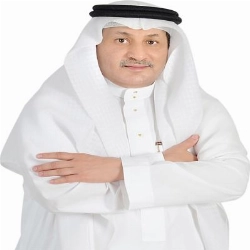
كان ناصر بن جريد شاعراً في جوهره، لكنه لم يكن شاعراً عادياً. كان امتداداً لمرحلة فنية صاخبة، وبدايةً لمنعطف جديد في الأغنية السعودية، فالكلمة عنده لم تكن زخرفاً لفظياً، بل حياة تتنفس داخل اللحن، وصورة تتفتح في صوت الفنان.
شاعر الحب الخفي وصانع الذائقة وهذا ما اكتشفه الذين يعرفون مسيرة الأغنية السعودية، يدركون أنه واحد من الذين منحوا الأغنية المحلية لغتها الخاصة، كتب الحب بهدوء.. وكتب الوطن باندفاع المحب.. وكتب الإنسان بنبرة صادقة لا تخطئ القلب.
أغنيته الخالدة «سكة التائهين» ليست مجرد عمل، إنها توقيع فني لا يمكن تجاوزه، لحّنها عميد الفن السعودي طارق عبدالحكيم، وجعل منها محطة رئيسية في تاريخ الأغنية.
وكذلك أغنية «الليل أبو الأسرار» بصوت عبدالله رشاد، التي حملت ذلك السحر الخفي الكامن في كلماته.
أما الوطن.. فكان نصيبه كبيراً من روحه، يكفي أن نذكر «يا أبو البلد» بصوت طلال مداح، و«سور البلد عالي» لمحمد عبده، لندرك أن الرجل لم يكن شاعراً للوطن فقط، بل كان شاعراً يحرس هوية وطن كامل.
بين الكلمة والهوية.. رحلة وعي وفن
لم يكتفِ ناصر بن جريد بتقديم نص غنائي جميل؛ بل ساهم في صياغة هوية الأغنية السعودية نفسها.
علاقاته الواسعة مع أعمدة الفن مثل محمد عبده، سعد إبراهيم، هيام يونس، وفوزي محسون، كانت جزءاً من صياغة مشهد فني عربي واسع، استطاع فيه أن يكون صوتاً منفرداً دون أن يفقد صدى التراث.
ومن خلال تحرير صفحة «سفينة حنان» في مجلة اليمامة السعودية، أسهم في رفد المشهد الثقافي الشعبي بما يستحق من اهتمام. كان يرى أن اللغة الشعبية ليست لهجة عابرة، بل جزء من ذاكرة تُورِّث وتُصان.
بين الفن والرياضة.. رؤية تربط الجمال ببناء الإنسان
قليلون يعرفون أنّه كان جزءاً من منظومة نادي الهلال منذ تأسيسه.
كان يؤمن أن الفن والرياضة ليسا ترفاً، بل ركيزتان لصناعة إنسان سعودي متوازن، يجمع بين الوعي الجمالي واللياقة الفكرية والبدنية.
هذه الرؤية جعلت منه شخصية متعددة الأبعاد، تتجاوز حدود القصيدة إلى فضاءات أوسع.
استمر في إنتاج الشعر حتى آخر أيامه، وتجلّى بعض من هذا الإرث في ديوانه «أمل باكر» الذي حمل صوراً إنسانية ووطنية ووجدانية عميقة.
صداقته مع الشاعر الكبير إبراهيم خفاجي، وعلاقته المتينة بالعميد طارق عبدالحكيم، لم تكن علاقات عابرة، بل جسوراً صنعت تجربة فنية كاملة، امتدت من مكة إلى الطائف، ومن النص إلى اللحن، ومن الفن إلى الوجدان.
ناصر بن جريد.. شاعر يستحق الاحتفاء لأنه لم يكن مجرد شاعر مرَّ عبر الأغنية السعودية.. كان واحداً من الذين بنوا هويتها، ورفعوا منسوب جمالها، وتركوا فيها أثراً لا يُمسح. من «سكة التائهين» إلى ذرى المجد الفني.. ظل «بن جريد» شاعراً لا يضيع.. لأنه زرع نفسه في الذاكرة الغنائية لوطنٍ لا ينسى مبدعيه.
Not every poet is born to write words that are sung.. some poets are born to create a complete memory of a country.
This is what the man who emerged from the light of Mecca and from the warmth of deep artistic friendships did, becoming one of the pillars of Saudi lyrical poetry and one of the creators of the artistic identity that still resonates in the collective consciousness today.
Nasser bin Jareed was a poet at his core, but he was not an ordinary poet. He was an extension of a vibrant artistic era and the beginning of a new turning point in Saudi music. For him, words were not mere verbal embellishments, but life breathing within the melody, and an image unfolding in the artist's voice.
The poet of hidden love and the creator of taste, this is what those who know the journey of Saudi music discover; they realize he is one of those who gave local music its own language. He wrote about love quietly.. and he wrote about the homeland with the passion of a lover.. and he wrote about humanity with a sincere tone that touches the heart.
His immortal song "Sikka Al-Tayeheen" is not just a work; it is an artistic signature that cannot be overlooked. It was composed by the dean of Saudi art, Tariq Abdulhakim, and became a main station in the history of music.
Similarly, the song "Al-Lail Abu Al-Asrar" sung by Abdullah Rashad carried that hidden magic inherent in its words.
As for the homeland.. it had a significant share of his spirit. It is enough to mention "Ya Abu Al-Balad" sung by Talal Madah, and "Sour Al-Balad Aali" by Mohammed Abdu, to realize that the man was not just a poet for the homeland, but a poet who guards the identity of an entire nation.
Between the word and identity.. a journey of awareness and art
Nasser bin Jareed did not settle for presenting beautiful lyrical texts; he contributed to shaping the identity of Saudi music itself.
His extensive relationships with artistic pillars such as Mohammed Abdu, Saad Ibrahim, Hayam Younis, and Fawzi Mahsoon were part of shaping a broad Arab artistic scene, where he managed to be a unique voice without losing the echo of heritage.
Through editing the "Safinat Hanan" page in Al-Yamama magazine, he contributed to enriching the cultural scene with the attention it deserves. He believed that popular language is not a transient dialect, but part of a memory that is inherited and preserved.
Between art and sports.. a vision that connects beauty with human development
Few know that he was part of the Al-Hilal Club system since its establishment.
He believed that art and sports are not luxuries, but two pillars for creating a balanced Saudi individual, combining aesthetic awareness with intellectual and physical fitness.
This vision made him a multidimensional personality, transcending the boundaries of poetry to broader horizons.
He continued to produce poetry until his last days, and some of this legacy was reflected in his collection "Amal Bakir," which carried deep human, national, and emotional images.
His friendship with the great poet Ibrahim Khafaji and his strong relationship with Dean Tariq Abdulhakim were not fleeting relationships, but bridges that created a complete artistic experience, extending from Mecca to Taif, from text to melody, and from art to the heart.
Nasser bin Jareed.. a poet deserving of celebration because he was not just a poet who passed through Saudi music.. he was one of those who built its identity, elevated its beauty, and left an indelible mark within it. From "Sikka Al-Tayeheen" to the peaks of artistic glory.. "Bin Jareed" remained a poet who does not fade away.. because he planted himself in the lyrical memory of a nation that does not forget its creators.