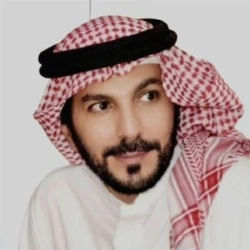
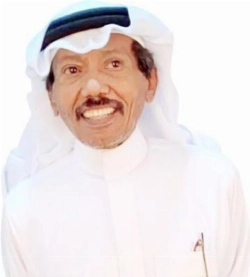
في مطلع التسعينات، تم استقطاب مجموعات من شباب منتمين إلى ما يُعرف بتيار (خط الإمام)، وخضع بعضهم لتدريبات عسكرية في معسكرات داخل لبنان، بإشراف عناصر مرتبطة بحزب الله، وبدعم من الحرس الثوري الإيراني، في سياق إقليمي معقّد كانت تتداخل فيه الأبعاد السياسية والأيديولوجية.
عمل هؤلاء ضمن خلايا صغيرة منفصلة، تقوم على السرية وعدم المعرفة المتبادلة، وهو نمط تنظيمي معروف في الحركات الحزبية غير التقليدية. إذ لا تُفعّل هذه الخلايا إلا في ظروف محددة، وفق ما تقتضيه تلك المرحلة.
وعقب عدد من الأعمال التخريبية؛ كُشف عدد من هذه الخلايا، وأُلقي القبض على أفرادها، وقضوا فترات متفاوتة في السجن. وخلال هذه التجربة، مرّ بعضهم بمراجعات فكرية عميقة، أعادت تشكيل فهمهم لما جرى.
وكنت أحد هؤلاء. ولم يكن تركيزي منصباً على تجربة السجن، بقدر ما كان على ما سبقها: كيف تم الاستقطاب؟ وما طبيعة الأدوار التي أُسندت إلينا؟ ومن يقف خلفها؟
ومع مرور الوقت، تبلورت لدي قناعة بأن كثيراً من المنخرطين، لم يكونوا مدركين بالكامل للسياقات السياسية الأوسع التي يتحركون ضمنها، ولا للنتائج المحتملة على المستويين الشخصي والوطني، فكنا أشبه ببيادق في رقعة الشطرنج نتحرك وفق إرادة أكبر منا، ننفذ دون أن نسأل.
في هذا الإطار، تبدو بعض التجارب وكأنها تعكس نمطاً براغماتياً في توظيف الأفراد داخل صراعات أكبر منهم، إذ تتحوّل بعض الطاقات الشابة إلى أدوات ضمن حسابات سياسية معقدة، ربما لا تكون واضحة لهم في حينها.
ومن هنا، تبرز أهمية الدور التوعوي، سواء من قبل النخب الدينية أو الفكرية أو الاجتماعية. إذ كان من الممكن -على سبيل المثال- أن تلعب المنابر دوراً أكبر في تعزيز الوعي بالسياقات السياسية التي تُطرح فيها الخطابات التعبوية، خصوصاً في ظل وجود مبادرات حوارية -مثل برامج مركز الملك عبدالعزيز للحوار الوطني- التي سعت إلى ترسيخ مفاهيم التعايش والاعتدال.
ومع ذلك، لا يمكن اختزال مواقف جميع رجال الدين في اتجاه واحد؛ فهناك تباينات في الرؤى والمواقف، بعضها أكثر حذراً أو تحفظاً، وربما يعود ذلك إلى اعتبارات اجتماعية أو دينية أو سياسية معقدة، تختلف من سياق لآخر.
وفي تقلّص دور رجال الدين، وعلى مستوى أوسع، أسهمت التحوّلات الإقليمية، خصوصاً خلال فترة ما سمّي بـ(الربيع العربي)، في إعادة تشكيل بعض أنماط التنظيمات، إذ انتقلت مراكز النشاط العسكري الشيعي في بعض الحالات من لبنان إلى العراق، مستفيدة من حالة السيولة السياسية، والفوضى التنظيمية، ومن قابلية بعض الفئات الشبابية للتأثر بالخطابات العاطفية أو الثورية.
هذه التحزبات المدعومة من إيران ليست حكراً على بلد بعينه، بل تتكرر بصيغ مختلفة في أكثر من ساحة، سواء عبر محاولات توسيع النفوذ، أو من خلال دعم أطراف محلية ضمن صراعات إقليمية معقدة. وفي هذا السياق، يحضر الحرس الثوري الإيراني كلاعب أساسي في بناء شبكات نفوذ خارج حدود إيران، وهو طرح محل جدل سياسي وإعلامي واسع، لا سيما وإنه يواجه نكراناً تاماً من الإيرانيين رغم اعتراف الخلايا المنتمية لهم بخلاف ذلك.
أمام هذا الواقع، تبدو الحاجة ملحّة لقراءة هذه المرحلة بقدر أكبر من التوازن، بعيداً عن التعميم أو الانفعال، مع التركيز على فهم آليات الاستقطاب، وكيفية تحصين الشباب من الانخراط في مسارات غير واضحة العواقب، عليهم وعلى أوطانهم.
مجريات هذا التاريخ ينعكس اليوم على الحرب الحالية والأحداث الجارية، فإن توصيفها رغم وضوحه بمسمياته الفصيحة، إلا أنه عند كثير من المثقفين لا سيما اليساريين يظل محل اختلاف: فهناك من يراها في إطار «الرد المشروع» ضمن صراعات إقليمية، بينما يعتبرها آخرون امتداداً لاستراتيجيات نفوذ طويلة الأمد، تعود جذورها إلى ما بعد عام 1979 وخطاب تصدير الثورة.
وبين هذين الطرحين المتناقضين، يبقى فهم الحاضر مرتبطاً بقراءة دقيقة للتاريخ، بعيداً عن الأحكام المسبقة، وقريباً من تعقيدات الواقع كما هو، لا كما نرغب أن يكون.
فلفهم ما يجري اليوم، لا بد من العودة إلى السياق التاريخي؛ فقد شهدت المنطقة محطات متعددة تعكس تعقيد التفاعلات السياسية والأمنية فيها، مثل موجات الاحتجاج التي ظهرت في فترات مختلفة خلال الربيع العربي. هذه الأحداث، رغم اختلاف ظروفها، تشير إلى أنماط تتكرر بصيغ متنوعة في أكثر من ساحة، وجميعها تقف وراءها إيران.
في هذا الإطار، هل هنالك تفسيرات متعددة أم تفسير واحد فقط لما يحدث؟ تفسير واحد فقط يتبنى مشروع تصدير الثورة وتوسيع النفوذ عبر أدوات غير تقليدية، مثل بناء شبكات وتحالفات تعمل بشكل تدريجي داخل بيئات مختلفة بهدف حماية مصالحها.
يبقى السؤال مفتوحاً: هل تمثل الهجمات الإيرانية في المنطقة شكلاً من أشكال الدفاع عن النفس، أم أنها جزء من استراتيجية تعود جذورها إلى ما بعد ثورة 1979؟ الإجابة بسيطة، ولا يختلف عليها اثنان، ولكن ربما لا يمكن فهمها بشكل دقيق دون النظر إلى مجمل السياق التاريخي والسياسي الذي تشكّلت فيه. ولهذا علينا أن نقرأ التاريخ جيداً ولا نتحمس لمعادلات اللحظة السياسية بسبب دخول أمريكا وإسرائيل على الخط.
In the early nineties, groups of young people affiliated with what is known as the (Imam Line) were recruited, and some underwent military training in camps within Lebanon, under the supervision of elements linked to Hezbollah, and with support from the Iranian Revolutionary Guard, in a complex regional context where political and ideological dimensions intertwined.
These individuals operated within small, separate cells, based on secrecy and mutual ignorance, a well-known organizational pattern in unconventional party movements. These cells were activated only under specific conditions, as required by that particular phase.
Following a number of sabotage acts, several of these cells were uncovered, and their members were arrested, serving varying periods in prison. During this experience, some underwent profound ideological reviews that reshaped their understanding of what had transpired.
I was one of those individuals. My focus was not so much on the prison experience, but rather on what preceded it: How were we recruited? What were the nature of the roles assigned to us? And who was behind them?
Over time, I became convinced that many of those involved were not fully aware of the broader political contexts within which they operated, nor of the potential outcomes on both personal and national levels. We were more like pawns on a chessboard, moving according to a will greater than ours, executing orders without questioning.
In this context, some experiences seem to reflect a pragmatic pattern in employing individuals within conflicts larger than themselves, as some young energies are transformed into tools within complex political calculations, which may not have been clear to them at the time.
From here, the importance of an awareness role emerges, whether from religious, intellectual, or social elites. For instance, platforms could have played a larger role in enhancing awareness of the political contexts in which mobilizing discourses are presented, especially in light of dialogue initiatives—such as the King Abdulaziz Center for National Dialogue programs—that sought to establish concepts of coexistence and moderation.
However, it is not possible to reduce the positions of all religious figures to a single direction; there are variations in visions and stances, some of which are more cautious or reserved, perhaps due to complex social, religious, or political considerations that differ from one context to another.
With the diminishing role of religious figures, and on a broader level, regional transformations, especially during the period known as the (Arab Spring), contributed to reshaping some organizational patterns, as centers of Shia military activity in some cases shifted from Lebanon to Iraq, benefiting from the political fluidity, organizational chaos, and the susceptibility of some youth groups to emotional or revolutionary discourses.
These Iran-backed factions are not limited to a specific country; rather, they recur in various forms in multiple arenas, whether through attempts to expand influence or by supporting local parties within complex regional conflicts. In this context, the Iranian Revolutionary Guard emerges as a key player in building networks of influence beyond Iran's borders, a topic of extensive political and media debate, especially since it faces complete denial from Iranians, despite the acknowledgment of affiliated cells to the contrary.
Given this reality, there is an urgent need to read this phase with greater balance, away from generalizations or emotional reactions, focusing on understanding the mechanisms of recruitment and how to shield youth from engaging in paths with unclear consequences, for themselves and their homelands.
The events of this history are reflected today in the current war and ongoing events. Although its description is clear with its explicit terms, it remains a subject of disagreement among many intellectuals, especially leftists: some see it as part of a "legitimate response" within regional conflicts, while others consider it an extension of long-term influence strategies, rooted in the aftermath of 1979 and the discourse of exporting the revolution.
Between these two contradictory narratives, understanding the present remains linked to an accurate reading of history, free from preconceived judgments and close to the complexities of reality as it is, not as we wish it to be.
To understand what is happening today, one must return to the historical context; the region has witnessed multiple milestones that reflect the complexity of political and security interactions, such as the waves of protests that emerged at different times during the Arab Spring. These events, despite differing circumstances, indicate patterns that recur in various forms across multiple arenas, all of which are backed by Iran.
In this context, are there multiple interpretations or just one explanation for what is happening? Only one explanation adopts the project of exporting the revolution and expanding influence through unconventional tools, such as building networks and alliances that operate gradually within different environments to protect its interests.
The question remains open: Do Iranian attacks in the region represent a form of self-defense, or are they part of a strategy rooted in the aftermath of the 1979 revolution? The answer is simple and undisputed, but perhaps it cannot be understood accurately without considering the overall historical and political context in which it was formed. Therefore, we must read history well and not get carried away by the equations of the political moment due to the involvement of America and Israel.