مركز الملك سلمان لأبحاث الإعاقة لبنة من لبنات الخير لخدمة ذوي الاحتياجات الخاصة، باستحداث أفضل التطبيقات العلمية وإعداد برامج علمية تتصدى للإعاقة ومسبباتها، والتدخل المبكر لتخفيف معاناتهم وتحسين ظروفهم ليصبحوا قوى عاملة منتجة ومشاركة في بناء المجتمع.
بالأمس القريب تلاقت على أرض الرياض المعرفة الطبية بالبحث العلمي بالتقنية المتقدمة في فضاء إنساني نبيل، تجلّت فيه معاني الرقي الحضاري في أبهى صورها في ملتقى أبحاث الإعاقة الأول، الذي نظمه مركز الملك سلمان بالتعاون مع جامعة الملك سعود، شارك فيه ثلة من العلماء والخبراء من داخل المملكة وخارجها، تحت شعار «نبحث اليوم لنتمكن غداً»
على خطى الرؤية القديرة تتهادى السعودية بخطوات واثقة نحو ريادة علمية عالمية في مجال الرعاية المتقدمة لذوي الإعاقة، التي جعلت تمكين الإنسان وصون كرامته محوراً لنهضتها التنموية.
في هذا الملتقى تعددت المشاركات وتنوعت وبرز دور المملكة الحريص على مساعدة هذه الفئة الغالية من خلال ورقة العمل التي شارك بها المستشار في الديوان الملكي الرئيس التنفيذي لمستشفى الملك فيصل التخصصي ومركز الأبحاث الدكتور ماجد بن إبراهيم الفياض، مشاركة تُؤكد أن المملكة باتت تكتب فصولاً جديدة في تاريخ الطب الجينومي والهندسة العصبية، بوصفهما ركيزتين لمستقبل الرعاية الصحية لذوي الإعاقة.
فالإعاقة ليست مجرد حالة طبية، بل تحدٍّ حضاري وإنساني يستوجب تسخير العلم والتقنية للحد من أسبابها وتمكين المصابين من حياة أكثر استقلالاً.
هذا التحوّل الجوهري يجعل من الطب الجينومي أداة وقائية فاعلة، قادرة على اكتشاف الاستعداد الوراثي للأمراض قبل وقوعها، بما يتيح فرص التدخل المبكر والحد من مضاعفاتها.
ولعل من أعظم ما تحقق على يد باحثي «التخصصي» أن 10% من الجينات المسبّبة للأمراض تم اكتشافها عالمياً بمساهمات علمية سعودية، جعل المملكة في مصاف الدول الرائدة في علم الجينوم البشري مع تضاعف عدد الفحوص الجينومية في المستشفى من 22 ألف اختبار في 2022 إلى أكثر من 44 ألف اختبار في 2024، لتتضح ملامح استراتيجية وطنية طموحة لجعل التحليل الجينومي جزءاً من الرعاية الأساسية لكل مريض، خاصة في حالات الإعاقة الوراثية النادرة.
في الملتقى قدّم الدكتور الفياض عرضاً مثيراً لما تحقق في مجالات التحفيز العصبي والطب التجديدي والهندسة العصبية الترجميّة، وهي ميادين تُعيد تعريف العلاقة بين الطب والتقنية وعن تطوير رقائق عصبية قابلة للزراعة لاستعادة الحركة والتواصل لدى المصابين بإصابات الحبل الشوكي أو الزهايمر، حقيقة يجري العمل عليها في مختبرات «التخصصي» بتكامل فريد بين الأطباء والمهندسين.
فالدمج بين التخصصات يُعبّر عن فلسفة جديدة في الطب الحديث تسعى لإعادة تأهيل الوظائف الحيوية واستعادة القدرات الإنسانية، في رؤية تُعيد الأمل إلى آلاف الأسر التي تكابد صعوبات الإعاقة.
تجارب لا تستهدف فقط استعادة الحركة الجسدية، بل تحفيز الدماغ لبناء مسارات عصبية بديلة، تجعل الإنسان شريكاً في عملية الشفاء، لا مجرد متلقٍّ للعلاج.
تطرّق الدكتور الفياض إلى دور التحليل متعدد الطبقات في تشخيص اضطرابات التوحّد، مؤكداً أن دمج الذكاء الاصطناعي مع بيانات الجينوم والسلوك العصبي رفع دقة التشخيص إلى 40%، رقم يفتح الباب لعصر جديد من العلاج الشخصي الذي يُصمم وفق خريطة المريض الجينية والعصبية الخاصة به.
تكامل يُجسّد مستقبل الطب الدقيق، حيث يتحوّل كل مريض إلى حالة فريدة تستحق خطة علاجية مصممة خصيصاً له، مستندة إلى بيانات بيولوجية وسلوكية دقيقة.
ما يميّز الخطاب العلمي والطبي اليوم هو اتساقه مع رؤية المملكة التي جعلت التمكين والجودة والشمولية مرتكزات لسياسات التنمية ودعم الأبحاث المتخصصة وبناء الشراكات المؤسسية، وطموح القطاع الصحي والتخصصي للتعبير عن رؤية وطنية لبناء مجتمع إنساني متكامل يحتضن جميع فئاته.
فالإعاقة في مفهوم الرؤية ليست عجزاً، بل فرصة لابتكار حلول جديدة، ولتأكيد أن الإنسان هو محور كل تقدم.
هنا، تتجلّى مسؤولية المؤسسات العلمية والطبية في تحويل البحث العلمي إلى قيمة اجتماعية ملموسة، تُسهم في تحسين جودة الحياة وتحقيق العدالة الصحية للجميع.
كلمة الدكتور الفياض لم تكن عرضاً لإنجازات فنية أو بيانات رقمية، بل كانت بياناً إنسانياً وعلمياً يضع الإنسان في صدارة الاهتمام. فالطب الجينومي، والتقنيات العصبية، والهندسة الترجميّة، أدوات لاستعادة جوهر الإنسان، وإعادة تعريف معنى الحياة الكريمة رغم الإعاقة.
هذا الملتقى بطروحاته العلمية ورؤاه الاستراتيجية، يؤكد أن السعودية لم تعد مجرد متلقٍ للتقنية، بل أصبحت صانعة لمستقبل الإنسان، تُسهم في رسم ملامح العالم القادم، حيث يُصبح الطب أكثر دقة، والرعاية أكثر إنسانية، والعلم أكثر اقتراباً من الروح.
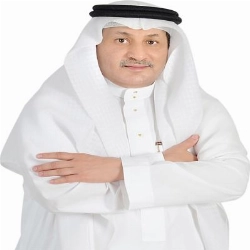
نجيب يماني
الطب الجينومي والتقنيات العصبية لخدمة الإنسان..!
20 أكتوبر 2025 - 00:11
|
آخر تحديث 20 أكتوبر 2025 - 00:11


تابع قناة عكاظ على الواتساب
The King Salman Center for Disability Research is a cornerstone of goodness serving individuals with disabilities, by developing the best scientific applications and preparing scientific programs that address disability and its causes, and early intervention to alleviate their suffering and improve their conditions so that they become productive and participating members of society.
Recently, medical knowledge met scientific research with advanced technology on the noble human ground of Riyadh, showcasing the meanings of civilizational advancement in its finest forms at the First Disability Research Forum, organized by the King Salman Center in collaboration with King Saud University. A group of scientists and experts from inside and outside the Kingdom participated under the slogan "We research today to empower tomorrow."
Following the ambitious vision, Saudi Arabia confidently strides towards global scientific leadership in advanced care for individuals with disabilities, making the empowerment of individuals and the preservation of their dignity a central focus of its developmental renaissance.
At this forum, the contributions were diverse, highlighting the Kingdom's commitment to assisting this precious group through the working paper presented by the advisor at the Royal Court and CEO of King Faisal Specialist Hospital and Research Center, Dr. Majid bin Ibrahim Al-Fayyad. This participation confirms that the Kingdom is now writing new chapters in the history of genomic medicine and neural engineering, as they are the pillars for the future of healthcare for individuals with disabilities.
Disability is not merely a medical condition, but a civilizational and humanitarian challenge that requires harnessing science and technology to reduce its causes and empower those affected to lead more independent lives.
This fundamental transformation makes genomic medicine an effective preventive tool, capable of discovering the genetic predisposition to diseases before they occur, thus allowing for early intervention and reducing complications.
Perhaps one of the greatest achievements by the researchers at "the specialist" is that 10% of the genes causing diseases have been discovered globally with Saudi scientific contributions, placing the Kingdom among the leading countries in human genome science, with the number of genomic tests at the hospital doubling from 22,000 tests in 2022 to more than 44,000 tests in 2024, revealing the outlines of an ambitious national strategy to make genomic analysis a part of the basic care for every patient, especially in cases of rare genetic disabilities.
At the forum, Dr. Al-Fayyad presented an exciting overview of the achievements in the fields of neural stimulation, regenerative medicine, and translational neural engineering, which redefine the relationship between medicine and technology and involve the development of implantable neural chips to restore movement and communication for those affected by spinal cord injuries or Alzheimer's, a reality being worked on in the "specialist" laboratories with a unique integration between doctors and engineers.
The integration of disciplines expresses a new philosophy in modern medicine that seeks to rehabilitate vital functions and restore human capabilities, in a vision that brings hope to thousands of families struggling with the challenges of disability.
These experiments aim not only to restore physical movement but also to stimulate the brain to build alternative neural pathways, making the individual a partner in the healing process, not just a recipient of treatment.
Dr. Al-Fayyad touched on the role of multilayer analysis in diagnosing autism disorders, emphasizing that the integration of artificial intelligence with genomic and neurobehavioral data has raised diagnostic accuracy to 40%, a figure that opens the door to a new era of personalized treatment designed according to the patient's unique genetic and neurological map.
This integration embodies the future of precision medicine, where each patient becomes a unique case deserving of a treatment plan specifically designed for them, based on precise biological and behavioral data.
What distinguishes today's scientific and medical discourse is its alignment with the Kingdom's vision, which has made empowerment, quality, and inclusivity the cornerstones of development policies, supporting specialized research and building institutional partnerships, and the ambition of the healthcare and specialized sectors to express a national vision for building an integrated human community that embraces all its segments.
In the vision's concept, disability is not a deficiency but an opportunity to innovate new solutions and affirm that the human being is the center of all progress.
Here, the responsibility of scientific and medical institutions is manifested in transforming scientific research into tangible social value, contributing to improving the quality of life and achieving health equity for all.
Dr. Al-Fayyad's speech was not just a presentation of technical achievements or numerical data, but a humanitarian and scientific statement that places the human being at the forefront of attention. Genomic medicine, neural technologies, and translational engineering are tools for restoring the essence of humanity and redefining the meaning of a dignified life despite disability.
This forum, with its scientific propositions and strategic visions, confirms that Saudi Arabia is no longer just a recipient of technology but has become a creator of the future of humanity, contributing to shaping the features of the coming world, where medicine becomes more precise, care more humane, and science closer to the spirit.