خلال الأسابيع الماضية، بدأت بعض محطات الوقود في المملكة تطلب من العملاء سداد قيمة الوقود مقدّماً قبل التعبئة، في خطوة تهدف إلى الحد من حالات التهرّب أو الخلاف حول الدفع، وضمان الانضباط المالي للمحطات. ورغم أن هذه الخطوة بدت في ظاهرها إجراءً احترازياً محدوداً، إلا أنها تعكس حاجة أعمق إلى إعادة تنظيم نموذج الخدمة بأكمله داخل هذا القطاع الحيوي، بما يتناسب مع التحوّلات التي تعيشها المملكة في مختلف المجالات التشغيلية والخدمية.
فالمشهد التقليدي لمحطات الوقود، حيث يقف عامل تحت الشمس يعبئ المركبات واحدة تلو الأخرى، ويتلقى النقد يداً بيد، لم يعد متّسقاً مع التطوّر التقني الذي يعيشه العالم، ولا مع طبيعة الخدمات الحديثة التي باتت تُبنى على السرعة، والانضباط، والتقنية، والأمان.
في أغلب دول العالم، انتقلت محطات الوقود من كونها «نقطة تعبئة» إلى أنظمة تشغيل ذكية قائمة على التعبئة الذاتية. ففي الولايات المتحدة وأغلب دول أوروبا، يعبئ السائق وقوده بنفسه عبر أنظمة دفع إلكترونية فورية، ثم يغادر خلال دقائق دون تعامل مباشر مع العامل. بينما في دول مثل اليابان وكوريا الجنوبية، يوجد مشرفون محترفون يشرفون على العمليات، ويراقبون كاميرات السلامة، ويتدخلون عند الحاجة، ويضمنون سير العمل بانسيابية واحتراف.
إلى جانب كفاءتها التشغيلية، تُسهم هذه النماذج الحديثة في تقليل الاحتكاك البشري المباشر داخل المحطات، ما يحد من احتمالات انتقال العدوى أو الميكروبات، خصوصاً في الفصول الحارة أو أثناء موجات الأمراض الموسمية. فمضخة الوقود تُستخدم يومياً من مئات الأشخاص، وبعض الدراسات أشارت إلى أنها من أكثر الأسطح لمساً في المرافق العامة، وهو ما يجعل التحوّل إلى التعبئة الذاتية والإشراف الذكي خياراً أكثر أماناً وصحة للمجتمع.
هذه التجارب الدولية تُظهر أن التحوّل من العامل إلى المشرف ليس استغناء عن الوظائف، بل ترقية لها. فبدل أن يكون العمل يدوياً متكرراً ومجهداً، يصبح إشرافياً منظّماً يركز على الجودة والمساءلة. والمملكة اليوم، وهي تمضي في مسار التحوّل الوطني، مؤهلة لتبني هذا النموذج بما يعكس توجهها نحو الارتقاء بنوعية الوظائف، لا عددها فقط.
ومن هذا المنطلق، قد يكون من المناسب التفكير في إطلاق برنامج وطني لتأهيل «مشرفي محطات الوقود»، عبر معهد متخصص يُعنى بتدريب السعوديين على إدارة التشغيل، ومتابعة جودة الوقود، وفحص المضخات، والتأكد من الالتزام بمعايير السلامة والبيئة. فوجود كوادر وطنية مؤهلة سيمنح القطاع استقراراً تشغيلياً ويضمن الرقابة الميدانية المستمرة.
كما أن هذا التوجّه سيسهم في خلق آلاف الوظائف اللائقة، بحد أدنى للرواتب يوازي طبيعة المهام الإشرافية ومسؤولياتها. وظيفة تجمع بين الجدية المهنية والكرامة الإنسانية، وتُعد امتداداً طبيعياً لفلسفة «السعودة النوعية» التي تسعى الدولة لترسيخها. فبدل أن تظل المحطات رهينة لعمالة مؤقتة بلا مسار مهني، يمكن تحويلها إلى بيئة عمل سعودية محترفة تقوم على الانضباط، والمساءلة، وتطوير الأداء.
ولن يقتصر الأثر على الجوانب التشغيلية فحسب، بل سيمتد إلى تعزيز الثقة والشفافية في هذا القطاع. إذ سيحد وجود مشرف وطني مدرب من احتمالات التلاعب في نوعية الوقود أو كميات الضخ، ويضمن مطابقة المعايير عبر مراقبة دقيقة للمضخات، والجرد اليومي، والأنظمة الإلكترونية. وهو ما سيعيد الثقة بين المحطة والمستهلك، ويحوّلها إلى نموذج مصغر لإدارة الجودة والرقابة الفورية.
إن محطات الوقود رغم بساطة دورها الظاهري، تمثّل واجهة يومية لمفهوم الخدمة والانضباط. والتحوّل فيها من «العامل» إلى «المشرف» ليس تغييراً في الوظيفة، بل في الوعي. هو انتقال من ثقافة التنفيذ إلى ثقافة الإشراف، من اليد العاملة إلى الفكر المنظم، ومن العشوائية إلى المهنية. وهي خطوة صغيرة في ظاهرها، لكنها تعبّر بعمق عن وطنٍ يقرر أن يرتقي حتى في طريقة تعبئته للوقود.
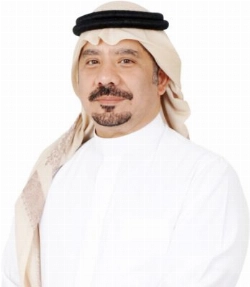
فراس طرابلسي
التحوّل في محطات الوقود.. من العامل إلى المشرف
17 أكتوبر 2025 - 00:08
|
آخر تحديث 17 أكتوبر 2025 - 00:08


تابع قناة عكاظ على الواتساب
Over the past few weeks, some gas stations in the Kingdom have begun asking customers to pay for fuel in advance before refueling, in a move aimed at reducing instances of evasion or disputes over payment, and ensuring financial discipline for the stations. Although this step may seem like a limited precautionary measure at first glance, it reflects a deeper need to reorganize the entire service model within this vital sector, in line with the transformations the Kingdom is experiencing across various operational and service fields.
The traditional scene of gas stations, where an attendant stands under the sun filling vehicles one after another and receiving cash hand-to-hand, is no longer consistent with the technological advancements the world is witnessing, nor with the nature of modern services that are now built on speed, discipline, technology, and safety.
In most countries around the world, gas stations have transitioned from being "refueling points" to smart operating systems based on self-service. In the United States and most European countries, drivers fill their own fuel using instant electronic payment systems, then leave within minutes without direct interaction with the attendant. Meanwhile, in countries like Japan and South Korea, there are professional supervisors overseeing operations, monitoring safety cameras, intervening when necessary, and ensuring smooth and professional workflow.
In addition to their operational efficiency, these modern models help reduce direct human interaction within the stations, which limits the chances of transmitting infections or microbes, especially in hot seasons or during waves of seasonal illnesses. The fuel pump is used daily by hundreds of people, and some studies have indicated that it is one of the most frequently touched surfaces in public facilities, making the shift to self-service and smart supervision a safer and healthier option for the community.
These international experiences demonstrate that the transition from worker to supervisor is not a dismissal of jobs, but an upgrade to them. Instead of being a repetitive and exhausting manual task, it becomes an organized supervisory role focused on quality and accountability. Today, as the Kingdom moves along the path of national transformation, it is well-positioned to adopt this model, reflecting its intention to elevate the quality of jobs, not just their quantity.
From this perspective, it may be appropriate to consider launching a national program to qualify "Gas Station Supervisors," through a specialized institute dedicated to training Saudis in operational management, monitoring fuel quality, inspecting pumps, and ensuring compliance with safety and environmental standards. The presence of qualified national personnel will provide operational stability to the sector and ensure continuous field oversight.
This approach will also contribute to creating thousands of decent jobs, with a minimum salary that reflects the nature of supervisory tasks and responsibilities. A job that combines professional seriousness with human dignity, and serves as a natural extension of the philosophy of "quality Saudization" that the state seeks to establish. Instead of remaining dependent on temporary labor without a professional path, stations can be transformed into a professional Saudi work environment based on discipline, accountability, and performance development.
The impact will not be limited to operational aspects alone, but will also extend to enhancing trust and transparency in this sector. The presence of a trained national supervisor will reduce the chances of manipulation regarding fuel quality or pumping quantities, ensuring compliance with standards through precise monitoring of pumps, daily inventory, and electronic systems. This will restore trust between the station and the consumer, transforming it into a miniature model of quality management and immediate oversight.
Despite the apparent simplicity of their role, gas stations represent a daily interface for the concept of service and discipline. The transition from "worker" to "supervisor" is not merely a change in job function, but a change in awareness. It is a shift from a culture of execution to a culture of supervision, from manual labor to organized thinking, and from randomness to professionalism. It is a small step on the surface, but it deeply expresses a nation that decides to elevate even the way it refuels.
The traditional scene of gas stations, where an attendant stands under the sun filling vehicles one after another and receiving cash hand-to-hand, is no longer consistent with the technological advancements the world is witnessing, nor with the nature of modern services that are now built on speed, discipline, technology, and safety.
In most countries around the world, gas stations have transitioned from being "refueling points" to smart operating systems based on self-service. In the United States and most European countries, drivers fill their own fuel using instant electronic payment systems, then leave within minutes without direct interaction with the attendant. Meanwhile, in countries like Japan and South Korea, there are professional supervisors overseeing operations, monitoring safety cameras, intervening when necessary, and ensuring smooth and professional workflow.
In addition to their operational efficiency, these modern models help reduce direct human interaction within the stations, which limits the chances of transmitting infections or microbes, especially in hot seasons or during waves of seasonal illnesses. The fuel pump is used daily by hundreds of people, and some studies have indicated that it is one of the most frequently touched surfaces in public facilities, making the shift to self-service and smart supervision a safer and healthier option for the community.
These international experiences demonstrate that the transition from worker to supervisor is not a dismissal of jobs, but an upgrade to them. Instead of being a repetitive and exhausting manual task, it becomes an organized supervisory role focused on quality and accountability. Today, as the Kingdom moves along the path of national transformation, it is well-positioned to adopt this model, reflecting its intention to elevate the quality of jobs, not just their quantity.
From this perspective, it may be appropriate to consider launching a national program to qualify "Gas Station Supervisors," through a specialized institute dedicated to training Saudis in operational management, monitoring fuel quality, inspecting pumps, and ensuring compliance with safety and environmental standards. The presence of qualified national personnel will provide operational stability to the sector and ensure continuous field oversight.
This approach will also contribute to creating thousands of decent jobs, with a minimum salary that reflects the nature of supervisory tasks and responsibilities. A job that combines professional seriousness with human dignity, and serves as a natural extension of the philosophy of "quality Saudization" that the state seeks to establish. Instead of remaining dependent on temporary labor without a professional path, stations can be transformed into a professional Saudi work environment based on discipline, accountability, and performance development.
The impact will not be limited to operational aspects alone, but will also extend to enhancing trust and transparency in this sector. The presence of a trained national supervisor will reduce the chances of manipulation regarding fuel quality or pumping quantities, ensuring compliance with standards through precise monitoring of pumps, daily inventory, and electronic systems. This will restore trust between the station and the consumer, transforming it into a miniature model of quality management and immediate oversight.
Despite the apparent simplicity of their role, gas stations represent a daily interface for the concept of service and discipline. The transition from "worker" to "supervisor" is not merely a change in job function, but a change in awareness. It is a shift from a culture of execution to a culture of supervision, from manual labor to organized thinking, and from randomness to professionalism. It is a small step on the surface, but it deeply expresses a nation that decides to elevate even the way it refuels.