تتمتع المملكة العربية السعودية بدبلوماسية نشطة وفعّالة، تعكس مكانتها كقوة إقليمية وعالمية مؤثرة. تعتمد الدبلوماسية السعودية على عدة ركائز، منها: الموقع الجيوسياسي، والقيادة الدينية، والاستقرار السياسي والاقتصادي، والدفاع عن القضايا الإسلامية، وتعزيز الاستثمارات والشراكات الاقتصادية.
تطورت الدبلوماسية السعودية بشكلٍ ملحوظ في السنوات الأخيرة، خاصةً تحت قيادة خادم الحرمين الشريفين الملك سلمان بن عبدالعزيز، وولي عهده الأمير محمد بن سلمان. وقد أصبحت أكثر تنوعاً بين الاقتصاد والسياسة والأمن، لكنها لا تزال تواجه تحدياتٍ تتطلب موازنةً دقيقةً بين المصالح المحلية والضغوط الدولية، إضافةً إلى الحاجة لتعزيز الدبلوماسية العامة (أي الصورة الخارجية).
إلا أن ما يميّز الدبلوماسية السعودية هو مرونة التعامل مع التحولات الدولية (مثل علاقاتها المتنوعة مع الشرق والغرب)، واستخدام الاقتصاد والثقافة كأدوات نفوذ فعّالة، إضافة إلى القدرة على التكيّف مع المتغيرات الإقليمية.
تُعدّ السعودية أقوى مرشحٍ للقيادة الإقليمية حاليّاً، بفضل ما تتمتع به من مرونة إستراتيجية؛ فقد نجحت في بناء تحالفات متعددة (مثل تحالفاتها مع الغرب من جهة، والصين وروسيا من جهة أخرى) دون الاصطدام بأي طرف. كما تمتلك أدوات اقتصادية فاعلة، مثل استخدام النفط ومنظومة «أوبك+» كرافعة سياسية، إضافة إلى استثمارات صندوق الاستثمارات العامة في مشاريع عالمية. كما تعزز مكانتها ودورها الديني ونفوذها الروحي، بدءًا من إدارة الحرمين الشريفين، وصولاً إلى ريادتها في منظمة التعاون الإسلامي.
تُجسّد الدبلوماسية السعودية نموذجاً فريداً للقيادة الإقليمية، حيث تجمع بين العمق الإستراتيجي والمرونة في التعامل مع المتغيرات الدولية. بفضل ركائزها المتينة - من قوة اقتصادية، ونفوذ ديني، وشراكات سياسية متنوعة - وقد تمكّنت المملكة فعلياً من ترسيخ مكانتها كفاعل رئيسي في المشهدين الإقليمي والعالمي. ومع ذلك، فإن تحقيق القيادة الإقليمية بشكل كامل يتطلب تعزيز الدبلوماسية العامة، ومواصلة التكيف مع التحديات الناشئة، مثل التوازن بين التحالفات المتنافسة وضغوط الرأي العام الدولي.
في المستقبل، ستظل السعودية لاعباً محورياً بفضل أدوات نفوذها المتعددة، لكن نجاحها سيعتمد على قدرتها على توظيف هذه الأدوات بذكاء، مع الحفاظ على استقرارها الداخلي وصورتها الخارجية. بتوفيق الله، المملكة تملك مقومات القيادة الإقليمية الفاعلة، شرط أن تحوِّل هذه المقومات إلى تأثيرٍ ملموسٍ في صنع السياسات الدولية وتعزيز الأمن والتنمية في المنطقة.
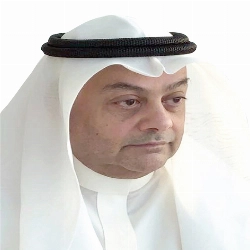
أسامة يماني
الدبلوماسية السعودية ومفهوم القيادة الإقليمية
6 يونيو 2025 - 00:26
|
آخر تحديث 6 يونيو 2025 - 00:26


تابع قناة عكاظ على الواتساب
The Kingdom of Saudi Arabia enjoys an active and effective diplomacy that reflects its status as an influential regional and global power. Saudi diplomacy relies on several pillars, including: geopolitical location, religious leadership, political and economic stability, defense of Islamic causes, and the promotion of investments and economic partnerships.
Saudi diplomacy has notably evolved in recent years, especially under the leadership of the Custodian of the Two Holy Mosques, King Salman bin Abdulaziz, and his Crown Prince, Mohammed bin Salman. It has become more diverse, encompassing economy, politics, and security, yet it still faces challenges that require a delicate balance between local interests and international pressures, in addition to the need to enhance public diplomacy (i.e., its external image).
What distinguishes Saudi diplomacy is its flexibility in dealing with international transformations (such as its diverse relations with the East and the West), and the use of economy and culture as effective tools of influence, along with the ability to adapt to regional changes.
Saudi Arabia is currently the strongest candidate for regional leadership, thanks to its strategic flexibility; it has successfully built multiple alliances (such as its alliances with the West on one hand, and China and Russia on the other) without clashing with any party. It also possesses effective economic tools, such as using oil and the "OPEC+" system as a political lever, in addition to the investments of the Public Investment Fund in global projects. It enhances its position and religious role and its spiritual influence, starting from the management of the Two Holy Mosques to its leadership in the Organization of Islamic Cooperation.
Saudi diplomacy embodies a unique model of regional leadership, combining strategic depth with flexibility in dealing with international changes. Thanks to its solid pillars—economic strength, religious influence, and diverse political partnerships—the Kingdom has effectively managed to establish its position as a key player in both regional and global arenas. However, achieving full regional leadership requires enhancing public diplomacy and continuing to adapt to emerging challenges, such as balancing competing alliances and pressures from international public opinion.
In the future, Saudi Arabia will remain a pivotal player thanks to its multiple tools of influence, but its success will depend on its ability to employ these tools wisely while maintaining its internal stability and external image. With God's grace, the Kingdom possesses the components of effective regional leadership, provided it transforms these components into tangible influence in shaping international policies and enhancing security and development in the region.
Saudi diplomacy has notably evolved in recent years, especially under the leadership of the Custodian of the Two Holy Mosques, King Salman bin Abdulaziz, and his Crown Prince, Mohammed bin Salman. It has become more diverse, encompassing economy, politics, and security, yet it still faces challenges that require a delicate balance between local interests and international pressures, in addition to the need to enhance public diplomacy (i.e., its external image).
What distinguishes Saudi diplomacy is its flexibility in dealing with international transformations (such as its diverse relations with the East and the West), and the use of economy and culture as effective tools of influence, along with the ability to adapt to regional changes.
Saudi Arabia is currently the strongest candidate for regional leadership, thanks to its strategic flexibility; it has successfully built multiple alliances (such as its alliances with the West on one hand, and China and Russia on the other) without clashing with any party. It also possesses effective economic tools, such as using oil and the "OPEC+" system as a political lever, in addition to the investments of the Public Investment Fund in global projects. It enhances its position and religious role and its spiritual influence, starting from the management of the Two Holy Mosques to its leadership in the Organization of Islamic Cooperation.
Saudi diplomacy embodies a unique model of regional leadership, combining strategic depth with flexibility in dealing with international changes. Thanks to its solid pillars—economic strength, religious influence, and diverse political partnerships—the Kingdom has effectively managed to establish its position as a key player in both regional and global arenas. However, achieving full regional leadership requires enhancing public diplomacy and continuing to adapt to emerging challenges, such as balancing competing alliances and pressures from international public opinion.
In the future, Saudi Arabia will remain a pivotal player thanks to its multiple tools of influence, but its success will depend on its ability to employ these tools wisely while maintaining its internal stability and external image. With God's grace, the Kingdom possesses the components of effective regional leadership, provided it transforms these components into tangible influence in shaping international policies and enhancing security and development in the region.