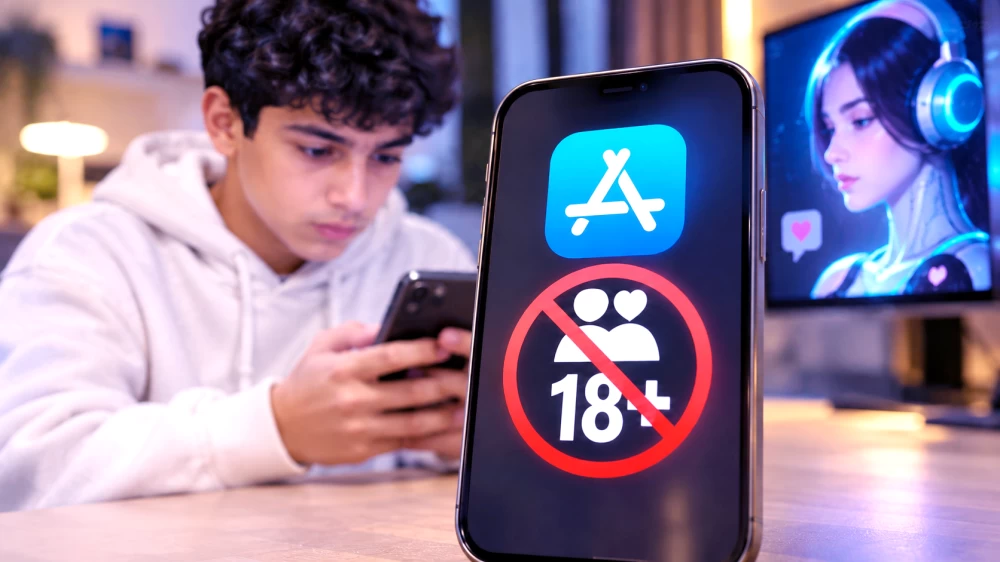
شددت شركة «أبل» ضوابط التصنيف العمري في متجر تطبيقاتها، مستهدفة تطبيقات المواعدة والرفقاء الافتراضيين المدعومين بالذكاء الاصطناعي، التي تقدم محتوى عاطفياً أو جنسياً، ضمن إجراءات تهدف إلى تعزيز حماية المستخدمين دون سن الثامنة عشرة.
وتأتي الخطوة في ظل التوسع المتسارع في تطبيقات المحادثة الذكية، التي تتيح للمستخدمين بناء علاقات تفاعلية مع شخصيات افتراضية، ما يثير تساؤلات بشأن ملاءمة بعض محتوياتها للفئات العمرية الصغيرة.
وتركز التعديلات على تشديد القيود المرتبطة بالتصنيف العمري، بما يحد من وصول القاصرين إلى التطبيقات التي تتضمن تجارب تفاعلية حساسة، ويعزز دور المتجر في تنظيم المحتوى المتاح عبر منصته.
وتعكس الإجراءات تصاعد الاهتمام بمسؤولية شركات التقنية عن حماية الأطفال والمراهقين، خصوصاً مع تطور قدرات الذكاء الاصطناعي على محاكاة المحادثات الإنسانية وتقديم استجابات شخصية.
وتضع هذه التحولات مطوري التطبيقات أمام متطلبات أكثر صرامة لمراعاة الفئات العمرية المستهدفة، في وقت تتزايد فيه المطالبات بتحقيق التوازن بين الابتكار التقني وسلامة المستخدمين.
وتبرز أهمية الخطوة في تعزيز الرقابة على التطبيقات الحساسة، دون أن تعني حظر جميع تطبيقات المواعدة أو المساعدات الذكية.
Apple has tightened age rating controls in its app store, targeting dating apps and AI-powered virtual companions that offer emotional or sexual content, as part of measures aimed at enhancing the protection of users under the age of eighteen.
This step comes amid the rapid expansion of smart chat applications, which allow users to build interactive relationships with virtual characters, raising questions about the appropriateness of some of their content for younger age groups.
The modifications focus on tightening restrictions related to age ratings, limiting minors' access to apps that include sensitive interactive experiences, and enhancing the store's role in regulating the content available on its platform.
The measures reflect a growing interest in the responsibility of tech companies to protect children and teenagers, especially as AI capabilities evolve to simulate human conversations and provide personalized responses.
These changes place app developers under stricter requirements to consider their target age groups, at a time when demands are increasing to strike a balance between technological innovation and user safety.
The importance of this step lies in enhancing oversight of sensitive applications, without meaning a ban on all dating apps or smart assistants.