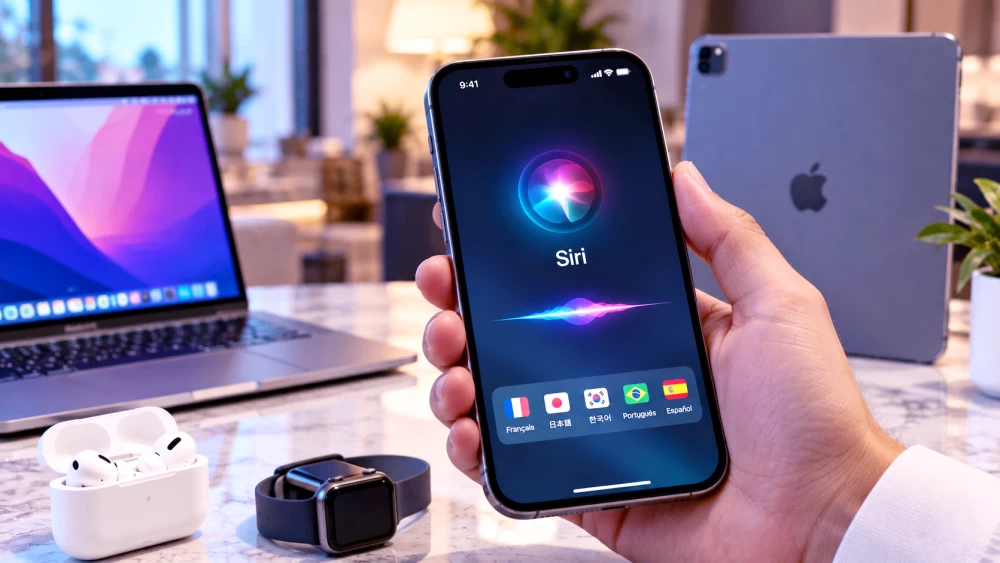
وسّعت شركة «أبل» نطاق الدعم اللغوي لمساعدها الصوتي «سيري»، ضمن تحديث نظام التشغيل «iOS 27.2»، في خطوة تستهدف تحسين تجربة المستخدمين وإتاحة مزايا الذكاء الاصطناعي لشريحة أوسع من مستخدمي أجهزتها.
ويأتي التحديث ضمن جهود الشركة لتطوير قدرات المساعد الذكي، وتعزيز إمكانية التفاعل معه بلغات إضافية، بما يسهم في تسهيل استخدام الوظائف الصوتية وتقليل الحواجز اللغوية أمام المستخدمين في الأسواق المختلفة.
وشمل التحديث إصلاحات أمنية وتحسينات للنظام، بالتزامن مع تحديث نظام تشغيل أجهزة «ماك»، في إطار مواصلة تطوير منظومة البرمجيات التي تربط منتجات الشركة وخدماتها.
وتكتسب التحديثات اللغوية أهمية متزايدة مع احتدام المنافسة بين شركات التكنولوجيا على تطوير المساعدات الرقمية، خصوصاً في ظل تنامي الاعتماد على الذكاء الاصطناعي في تنفيذ المهام اليومية والتفاعل مع الأجهزة.
ويعكس التوجه أهمية توسيع الوصول إلى الخدمات الذكية، إذ لم تعد المنافسة مقتصرة على قدرات النماذج التقنية، بل امتدت إلى سهولة استخدامها ومدى ملاءمتها للغات المستخدمين واحتياجاتهم.
وتبقى جودة الاستجابة ودقة فهم الأوامر الصوتية من أبرز المعايير التي تحدد نجاح هذه التحسينات ومدى استفادة المستخدمين منها.
Apple has expanded the language support for its voice assistant, Siri, as part of the iOS 27.2 operating system update, in a move aimed at enhancing user experience and making artificial intelligence features available to a broader segment of its device users.
The update is part of the company's efforts to develop the capabilities of the smart assistant and enhance interaction in additional languages, which contributes to facilitating the use of voice functions and reducing language barriers for users in different markets.
The update included security fixes and system improvements, coinciding with the update of the Mac operating system, as part of the ongoing development of the software ecosystem that connects the company's products and services.
The importance of language updates is increasing with the intensifying competition among technology companies to develop digital assistants, especially in light of the growing reliance on artificial intelligence to perform daily tasks and interact with devices.
This direction reflects the importance of expanding access to smart services, as competition is no longer limited to the capabilities of technical models, but has extended to their ease of use and how well they meet the languages and needs of users.
The quality of responses and the accuracy of understanding voice commands remain among the key criteria that determine the success of these improvements and the extent to which users benefit from them.