يبدو أن «تسوية ودية» التي أبرمتها الحكومة الأوكرانية لم تكن سوى واجهة لعملية احتيال مُحكمة امتدت لسنوات طويلة وأثارت شبهات بالغة حول قنوات المال العام. فبين عامي 2013 و2016، قاد النائب البرلماني السابق هيورهي لوهفينسكي مخططاً معقداً بالتنسيق مع مسؤولين كبار، من بينهم النائب الأول السابق لوزير العدل وممثل الحكومة أمام القضاء الدولي، لاختلاس أموال عامة بقيمة بلغت نحو 1.3 مليون دولار.
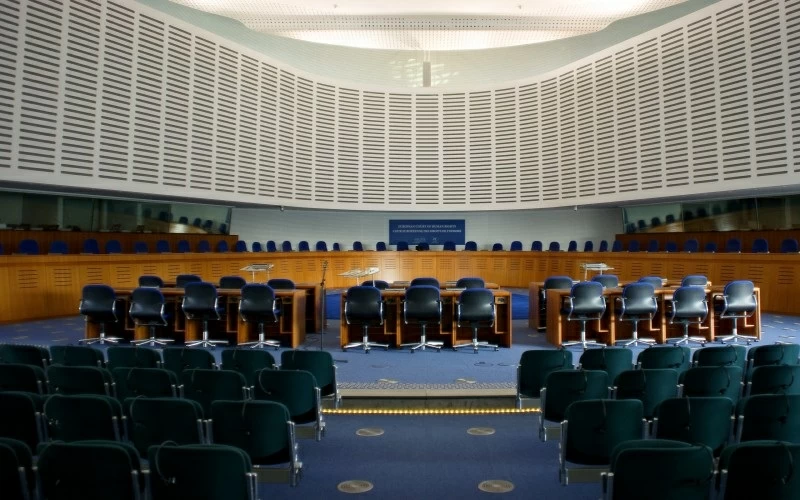
ويبرز في التفاصيل التي كشفت عنها تحقيقات هيئات مكافحة الفساد دلالات تشير إلى استغلال نزاع ديون سابق لشركة خاصة مع قطاع الطاقة الأوكراني، حيث تم تقديم مطالبات مزورة أمام المحكمة الأوروبية لحقوق الإنسان عبر إخفاء حقيقة تحويل الحق القانوني للمطالبة بالدين إلى أطراف ثالثة. وبمساعدة تواطؤ إداري رفيع المستوى، تمكنت الشبكة من خداع الدولة للحصول على تعويضات مالية ضخمة جرى تحويلها لاحقاً عبر كيانات وهمية وغسلها في قنوات مالية غير مشروعة.
ومع إحالة الملف رسمياً إلى المحكمة بعد سنوات طويلة من التحقيقات والتحريات، سارع المتهمون إلى نفي التهم جملة وتفصيلاً، إذ تمسك بوريس بابين ببراءته معلناً لجوءه للقضاء، بينما دافعت ناتاليا بيرناتسكا عن قراراتها السابقة مؤكدة أنها تحركت ضمن النطاق القانوني لالتزامات البلاد الدولية، لتتواصل فصول واحدة من أكثر القضايا تعقيداً في أروقة العدالة الأوكرانية.
It seems that the "friendly settlement" reached by the Ukrainian government was nothing more than a facade for a well-orchestrated fraud scheme that spanned many years and raised serious suspicions about public funds channels. Between 2013 and 2016, former parliament member Hryhoriy Luhvynskyi led a complex scheme in coordination with senior officials, including the former First Deputy Minister of Justice and the government representative before international courts, to embezzle public funds amounting to approximately $1.3 million.
The details revealed by anti-corruption investigations highlight indications of exploiting a previous debt dispute involving a private company with the Ukrainian energy sector, where fraudulent claims were submitted to the European Court of Human Rights by concealing the fact that the legal right to claim the debt was transferred to third parties. With the help of high-level administrative collusion, the network managed to deceive the state into obtaining huge financial compensations that were later transferred through fictitious entities and laundered in illicit financial channels.
With the case officially referred to court after many years of investigations and inquiries, the accused hastened to deny the charges in their entirety, as Borys Babin maintained his innocence, announcing his recourse to the judiciary, while Nataliya Bernatska defended her previous decisions, asserting that she acted within the legal framework of the country's international obligations, continuing the chapters of one of the most complex cases in the corridors of Ukrainian justice.