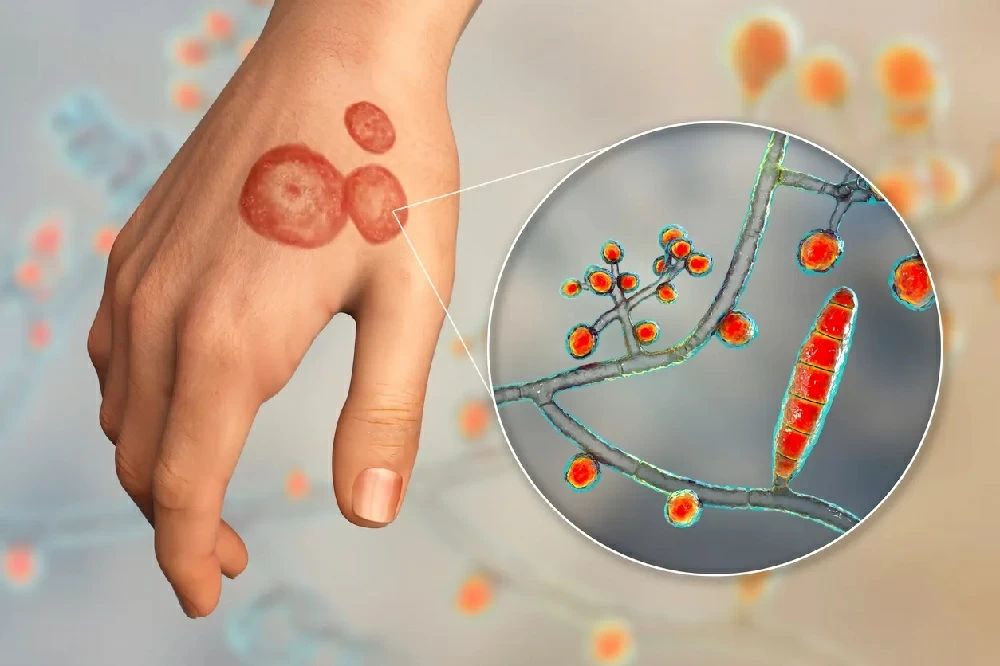
أظهرت دراسة حديثة انتشار فطر جلدي خطير مقاوم للعلاج يُعرف باسم Trichophyton indotineae، بعدما سجل العلماء زيادة لافتة في ظهوره حول العالم منذ عام 2022، وسط مخاوف من قدرته على التسبب في سعفة جلدية شديدة يصعب التعامل معها بالأدوية التقليدية.
وتشير الدراسة المنشورة في دورية Emerging Infectious Diseases إلى أن هذا الفطر، الذي ينتمي إلى مجموعة الفطريات المسببة للسعفة، بات يثير قلقًا متصاعدًا بسبب مقاومته للعلاجات الشائعة وانتشاره السريع، خصوصًا في مناطق مثل الهند.
وتُعد السعفة الجلدية عدوى فطرية تظهر على شكل طفح دائري، وتختلف تسمياتها بحسب مكان الإصابة، مثل (حكة اللعب) في المنطقة التناسلية و(قدم الرياضي).
وتنتقل العدوى عادة عبر التلامس المباشر أو ملامسة الأسطح الملوثة، مثل أرضيات الحمامات الرطبة أو المناشف المشتركة، ما يجعل انتشارها محتملًا في البيئات العامة.
وللحصول على صورة أوضح لانتشار الفطر، اعتمد الباحثون على بيانات مشروع MSI الفرنسي، وهو نظام يعتمد تقنية مطياف الكتلة لتحديد الفطريات بدقة عالية. وجرى تحليل عينات أُرسلت من أكثر من 500 مختبر في 54 دولة بين عامي 2022 و2025، ليظهر أن الفطر رُصد في 29 دولة، معظمها في أوروبا، مع ارتفاع نسبة اكتشافه ثلاثة أضعاف خلال الفترة نفسها.
ورغم أن الدراسة لا تقدم رقمًا دقيقًا لعدد الإصابات عالميًا، فإنها تكشف أن المختبرات التي تستخدم تقنية MSI ترصد الفطر بشكل متكرر، بينما تبقى مناطق واسعة مثل أفريقيا وجنوب شرق آسيا خارج نطاق الرصد بسبب محدودية الأجهزة المتقدمة.
وتؤكد النتائج أن الفطر ينتشر على نطاق عالمي، وأن تقنيات التشخيص الحديثة أصبحت ضرورية لتتبّع الفطريات الناشئة. وقد استخدم أطباء بالفعل نظام MSI لتأكيد وصول الفطر إلى دول جديدة مثل هنغاريا والبرازيل.
ويحذر الباحثون من أن T. indotineae ليس التهديد الوحيد، إذ يظهر فطر آخر مرتبط بالسعفة ينتشر عبر الاتصال الجنسي ويسبب إصابات مؤلمة، فيما يمكن للفطر الجديد أيضًا الانتقال جنسيًا، ما يزيد من تعقيد المشكلة الصحية.
وتدعو الدراسة المختبرات والسلطات الصحية إلى تعزيز قدرات التشخيص واعتماد تقنيات حديثة لرصد الفطريات الجلدية، باعتبار أن المشكلة تتطور بسرعة وتتطلب استجابة دولية أكثر تنسيقًا.
A recent study has shown the spread of a dangerous treatment-resistant skin fungus known as Trichophyton indotineae, after scientists recorded a notable increase in its appearance worldwide since 2022, amid concerns about its ability to cause severe dermatophytosis that is difficult to manage with traditional medications.
The study published in the journal Emerging Infectious Diseases indicates that this fungus, which belongs to the group of fungi causing dermatophytosis, has raised increasing concern due to its resistance to common treatments and rapid spread, especially in areas like India.
Dermatophytosis is a fungal infection that appears as a circular rash, with different names depending on the site of infection, such as (jock itch) in the genital area and (athlete's foot).
The infection is usually transmitted through direct contact or touching contaminated surfaces, such as wet bathroom floors or shared towels, making its spread likely in public environments.
To gain a clearer picture of the fungus's spread, researchers relied on data from the French MSI project, a system that uses mass spectrometry technology to accurately identify fungi. Samples sent from over 500 laboratories in 54 countries between 2022 and 2025 were analyzed, revealing that the fungus was detected in 29 countries, mostly in Europe, with its detection rate tripling during the same period.
Although the study does not provide an exact number of global infections, it reveals that laboratories using MSI technology frequently detect the fungus, while vast areas such as Africa and Southeast Asia remain outside the monitoring scope due to limited advanced equipment.
The results confirm that the fungus is spreading globally and that modern diagnostic techniques have become essential for tracking emerging fungi. Doctors have already used the MSI system to confirm the fungus's arrival in new countries like Hungary and Brazil.
Researchers warn that T. indotineae is not the only threat, as another fungus related to dermatophytosis is spreading through sexual contact and causing painful infections, while the new fungus can also be transmitted sexually, complicating the health issue further.
The study calls on laboratories and health authorities to enhance diagnostic capabilities and adopt modern techniques for monitoring skin fungi, considering that the problem is evolving rapidly and requires a more coordinated international response.