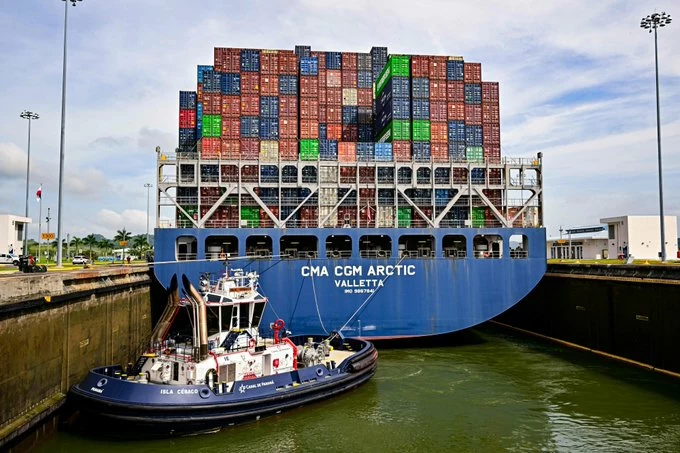
بدأت قناة بنما خفض أعداد السفن المسموح لها بالعبور، في ظل تراجع الأمطار وانخفاض مستويات المياه في البحيرات التي تعتمد عليها القناة، مع تصاعد تأثيرات ظاهرة «نينو» المناخية.
وتعتزم هيئة قناة بنما خفض عدد السفن العابرة تدريجيًا من نحو 36 سفينة يوميًا إلى 34 سفينة، قبل أن يصل العدد إلى 32 سفينة يوميًا اعتبارًا من منتصف سبتمبر، في محاولة للحفاظ على الموارد المائية وضمان استدامة تشغيل الممر الملاحي.
وتعتمد القناة بصورة أساسية على المياه المخزنة في بحيرتي «جاتون» و«ألاخويلا» لتشغيل أهوسة القناة ورفع السفن وخفضها خلال رحلات العبور بين المحيطين الأطلسي والهادئ، ما يجعل انخفاض معدلات الأمطار في حوض القناة تحديًا مباشرًا أمام حركة الملاحة.
ولم تقتصر إجراءات هيئة القناة على تقليص أعداد السفن، إذ اتخذت في وقت سابق تدابير لترشيد استهلاك المياه، من بينها فرض قيود على الغاطس الأقصى للسفن الكبيرة، بما يؤثر في كمية البضائع التي يمكن لبعض السفن حملها. كما أعلنت الهيئة إجراءات إضافية لتنظيم فتحات العبور اليومية مع استمرار انخفاض معدلات هطول الأمطار عن المستويات المتوقعة.
وتأتي هذه الإجراءات بينما تشهد منطقة أمريكا الوسطى موجة جفاف مرتبطة بظاهرة «نينو»، التي تؤدي إلى تغيرات واسعة في أنماط الرياح والضغط الجوي والأمطار، وتزيد احتمالات ارتفاع درجات الحرارة والجفاف في مناطق من المنطقة.
وتكتسب أزمة المياه في قناة بنما أهمية تتجاوز حدود البلاد، إذ يمر عبر الممر المائي نحو 5% من حجم التجارة البحرية العالمية، فيما ترتبط به نسبة كبيرة من حركة الحاويات المتجهة إلى الولايات المتحدة. ويعني تقليص أعداد السفن أو فرض قيود إضافية على حمولاتها احتمال ارتفاع تكاليف الشحن وزيادة فترات الانتظار أمام السفن.
وتكشف الأزمة الحالية مدى حساسية أحد أهم الممرات البحرية في العالم للتغيرات المناخية؛ فالقناة لا تعتمد على مياه البحر في تشغيل أهوسها، وإنما تحتاج إلى كميات كبيرة من المياه العذبة الموجودة في خزاناتها وبحيراتها لتسيير عمليات العبور.
وليس هذا أول اختبار تواجهه قناة بنما بسبب الجفاف، ففي أزمة 2023-2024 تسببت مستويات المياه المنخفضة في خفض عدد السفن العابرة يوميًا إلى نحو 22 سفينة في إحدى مراحل الأزمة، مقارنة بمستويات أعلى بكثير قبل الجفاف.
وتزداد المخاوف هذه المرة مع توقعات منظمة الأرصاد العالمية بأن تشتد ظاهرة «نينو» خلال الأشهر القادمة، مشيرة إلى احتمال استمرارها حتى فبراير 2027، فيما حذرت من أنها قد تصبح أقوى من أي ظاهرة مماثلة جرى رصدها خلال العقود الأربعة الماضية.
وبينما تراقب هيئة قناة بنما مستويات المياه ومعدلات الأمطار بصورة مستمرة، لا تستبعد السلطات فرض قيود إضافية على حركة السفن إذا استمر الجفاف ولم تتحسن الإمدادات المائية خلال الأسابيع القادمة.
The Panama Canal has begun to reduce the number of ships allowed to transit, amid declining rainfall and decreasing water levels in the lakes that the canal relies on, as the effects of the climatic phenomenon "El Niño" intensify.
The Panama Canal Authority plans to gradually reduce the number of transiting ships from about 36 vessels per day to 34 vessels, before reaching 32 vessels per day starting mid-September, in an effort to conserve water resources and ensure the sustainability of the navigational route.
The canal primarily depends on the stored water in Gatun and Alajuela Lakes to operate the locks and lift and lower ships during their transit between the Atlantic and Pacific Oceans, making the decline in rainfall in the canal basin a direct challenge to navigation.
The Authority's measures are not limited to reducing the number of ships; it has also previously taken steps to rationalize water consumption, including imposing restrictions on the maximum draft for large vessels, which affects the amount of cargo that some ships can carry. The Authority has also announced additional measures to regulate daily transit slots as rainfall levels continue to fall below expected levels.
These measures come as Central America experiences a drought linked to the "El Niño" phenomenon, which leads to widespread changes in wind patterns, atmospheric pressure, and rainfall, increasing the likelihood of rising temperatures and drought in parts of the region.
The water crisis in the Panama Canal has significance that extends beyond the country's borders, as about 5% of global maritime trade passes through the waterway, with a significant portion of container traffic heading to the United States. Reducing the number of ships or imposing additional restrictions on their cargo could lead to increased shipping costs and longer wait times for vessels.
The current crisis reveals the sensitivity of one of the world's most important maritime corridors to climate changes; the canal does not rely on seawater to operate its locks, but rather requires large quantities of freshwater stored in its reservoirs and lakes to facilitate transit operations.
This is not the first test the Panama Canal has faced due to drought; during the 2023-2024 crisis, low water levels caused the number of daily transiting ships to drop to about 22 vessels at one stage of the crisis, compared to much higher levels before the drought.
Concerns are heightened this time with the World Meteorological Organization's forecasts indicating that the "El Niño" phenomenon is expected to intensify in the coming months, with the possibility of it continuing until February 2027, warning that it could become stronger than any similar phenomenon observed in the past four decades.
While the Panama Canal Authority continuously monitors water levels and rainfall rates, authorities do not rule out imposing additional restrictions on ship movements if the drought persists and water supplies do not improve in the coming weeks.